Why is leaving the ECOWAS bloc so challenging for niger and mali
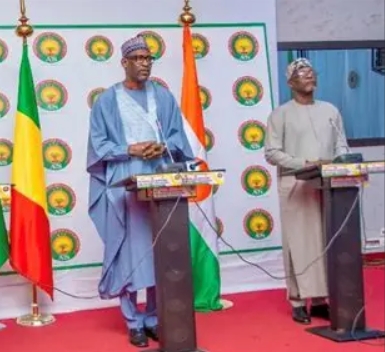
The recent statements from the foreign ministers of Niger and Mali have sparked widespread debate. While they have sharply criticized their West African neighbors within the ECOWAS bloc for allegedly supporting terrorism, they simultaneously express willingness to engage in limited cooperation. This contradictory stance—alternating between confrontation and collaboration—reveals a deeper challenge: severing ties with a regional alliance is far more complex than political rhetoric suggests.
The pitfall of inconsistency: accusations and cooperation cannot coexist
Niger and Mali have leveled serious allegations, accusing ECOWAS countries of backing armed terrorist groups. Yet, almost immediately, they propose working with the very nations they accuse. In international relations, credibility hinges on consistency. If a government publicly brands a neighboring state as an accomplice to violence against its own citizens, it undermines its own position to later seek economic partnerships with that same state.
The repercussion is clear: such actions risk portraying Sahelian authorities as unreliable partners on the global stage. Development negotiations cannot proceed with those labeled as enemies of the nation.
Geography’s unyielding grip: the reality of trade and survival
The push for a full withdrawal from ECOWAS was framed as a quest for “total independence.” However, geography imposes immutable constraints that political declarations cannot override.
Landlocked nations like Niger and Mali rely entirely on the ports of coastal neighbors such as Cotonou, Lomé, or Abidjan to import essential goods—rice, sugar, medications, and construction materials. Any disruption in this supply chain would trigger a sharp spike in transportation costs, pushing living expenses beyond what impoverished populations can endure. By seeking cooperation, the ministers implicitly acknowledge that the Alliance of Sahel States (AES) cannot operate in isolation.
The paradox of leaving yet retaining benefits
Withdrawing from ECOWAS was a bold political move aimed at appeasing domestic sentiment. Yet the desire to retain the bloc’s technical advantages without adhering to its rules reveals a fundamental contradiction.
While leaders aim to distance themselves from the old order, they still require seamless movement of capital and goods. This is a logical impossibility: one cannot exit an alliance, publicly denounce its members, and expect to continue enjoying its benefits. Cooperation thrives on mutual trust; breaking the political contract erodes the legal security critical for traders and investors, ultimately destabilizing the nation’s own economy.
From emotion to pragmatism: the path forward
Anger may be a powerful emotional force, but it is not a foreign policy strategy. Venting frustration at neighbors might offer short-term political dividends, but it fails to address the urgent crises of hunger and insecurity gripping the Sahel.
Terrorism does not respect national borders. Defeating it demands genuine coordination among intelligence agencies and military forces across the region. Fueling divisions among neighbors only empowers terrorist groups that exploit such rifts to expand their influence.
Sovereignty’s true test: feeding, healing, and protecting
Niger and Mali are now learning that a complete exit from ECOWAS presents monumental economic challenges. Genuine sovereignty extends beyond symbolic independence; it encompasses the ability of a state to feed its people, heal its sick, and secure its cities. Achieving this demands neighborly cooperation—not as an optional luxury, but as an absolute necessity. Pretending otherwise sacrifices the lived reality of citizens on the altar of political posturing.
