The contested succession: faure gnassingbé’s early years of power in Togo
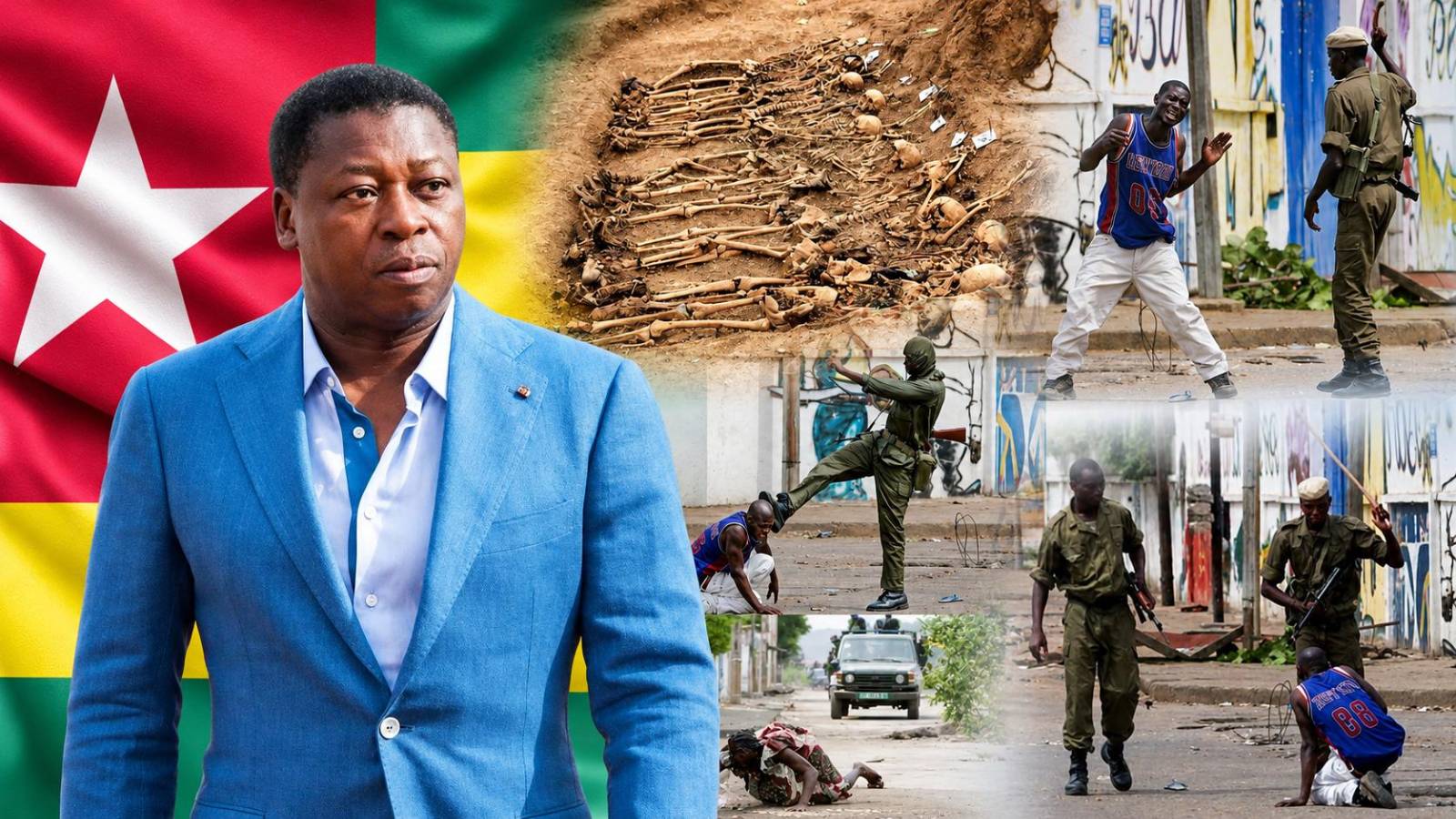
Togo’s political narrative is indelibly marked by the events of 2005, a period that continues to polarize the nation and shape its collective memory. While some interpret this era as the dawn of a new political chapter, international reports and victim testimonies paint a starkly different picture: one of authority seized through brutal repression, disproportionately affecting the populations of the Southern regions, predominantly of Ewé ethnicity.
The ‘constitutional shift’: a disregard for legal frameworks
The sequence of events began on February 5, 2005, with the passing of General Gnassingbé Eyadéma. Within hours, the Togolese Armed Forces (FAT) unilaterally suspended the Constitution, obstructed the return of the National Assembly President to the country, and installed Faure Gnassingbé as the new head of state.
In response to widespread condemnation from the African Union and ECOWAS, who denounced these actions as a coup, Faure Gnassingbé eventually resigned. He then promptly presented himself as a candidate in a hastily arranged presidential election. This institutional maneuver laid the groundwork for profound mistrust between the new administration and opposition factions.
The april 2005 violence: a devastating toll
While official figures and those from independent organizations vary, the scale of the human cost remains deeply disturbing. Following the announcement of results declaring Faure Gnassingbé the victor with 60% of the vote, Togo erupted into widespread unrest.
- The UN report: An investigative mission mandated by the United Nations officially documented between 400 and 500 fatalities.
- Human rights organizations: The Togolese League for Human Rights (LTDH) reported a significantly higher figure, exceeding 1,000 victims.
These acts of violence were not isolated incidents. They predominantly targeted opposition strongholds in Lomé and Southern cities such as Aného and Atakpamé, areas traditionally inhabited by the Ewé community.
Kabyè militias and ethnic manipulation
One of the most troubling aspects of this crisis was the deployment of civilian militias. Documented reports, notably by Amnesty International, highlight a collaborative effort between elements of the military and these militiamen—frequently identified as members of the Kabyè ethnic group (the ethnicity of the ruling clan)—to conduct punitive raids in Southern neighborhoods.
« The militiamen fired into crowds… individuals were beaten to death in front of their relatives. » — Amnesty International Report, July 2005.
The systematic use of torture, the torching of homes, and summary executions compelled approximately 40,000 Togolese citizens to seek refuge in neighboring Bénin and Ghana, precipitating an unprecedented humanitarian crisis within the sub-region.
Impunity as a foundation of power
Since 2005, despite the establishment of a Truth, Justice and Reconciliation Commission (CVJR) in 2009, the issue of impunity for the 2005 massacres remains largely unaddressed. No high-ranking military officials or militia leaders have faced significant legal consequences for their roles in these events.
Conclusion: an enduring, unresolved trauma
Nearly two decades later, Faure Gnassingbé’s assumption of power continues to be overshadowed by this ‘original sin.’ While the current administration endeavors to project an image of stability and progress, the wounds of 2005 are, for many, only superficially healed. Analysts widely suggest that genuine national reconciliation in Togo will necessitate a concerted effort to deliver real justice for the victims from the Southern regions.
