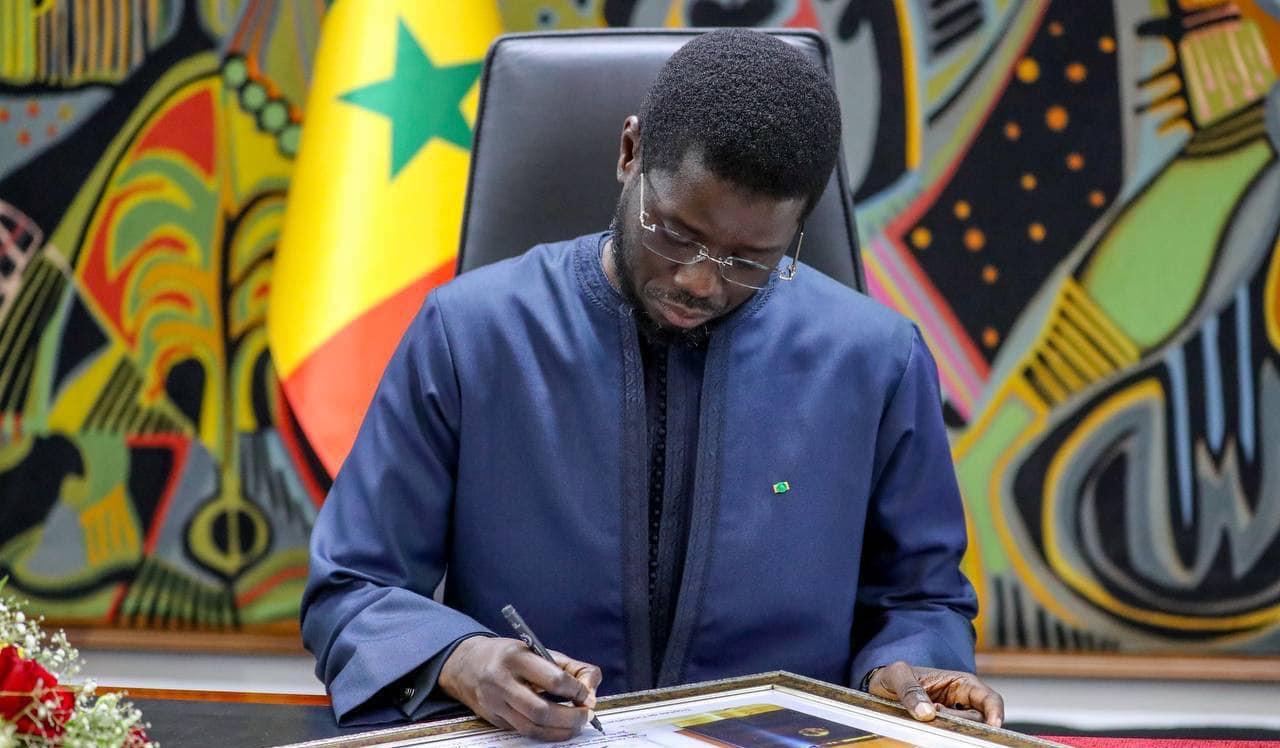
Senegal’s electoral code reform: President Bassirou Diomaye Faye signs articles l29 and l30 into law
Senegal’s electoral code reform: President Bassirou Diomaye Faye signs articles L29 and L30 into law
President Bassirou Diomaye Faye has officially enacted Articles L29 and L30 of Senegal’s Electoral Code, marking a pivotal step forward in the country’s electoral framework reforms. This landmark decision, following a second parliamentary review, carries significant implications for upcoming elections.
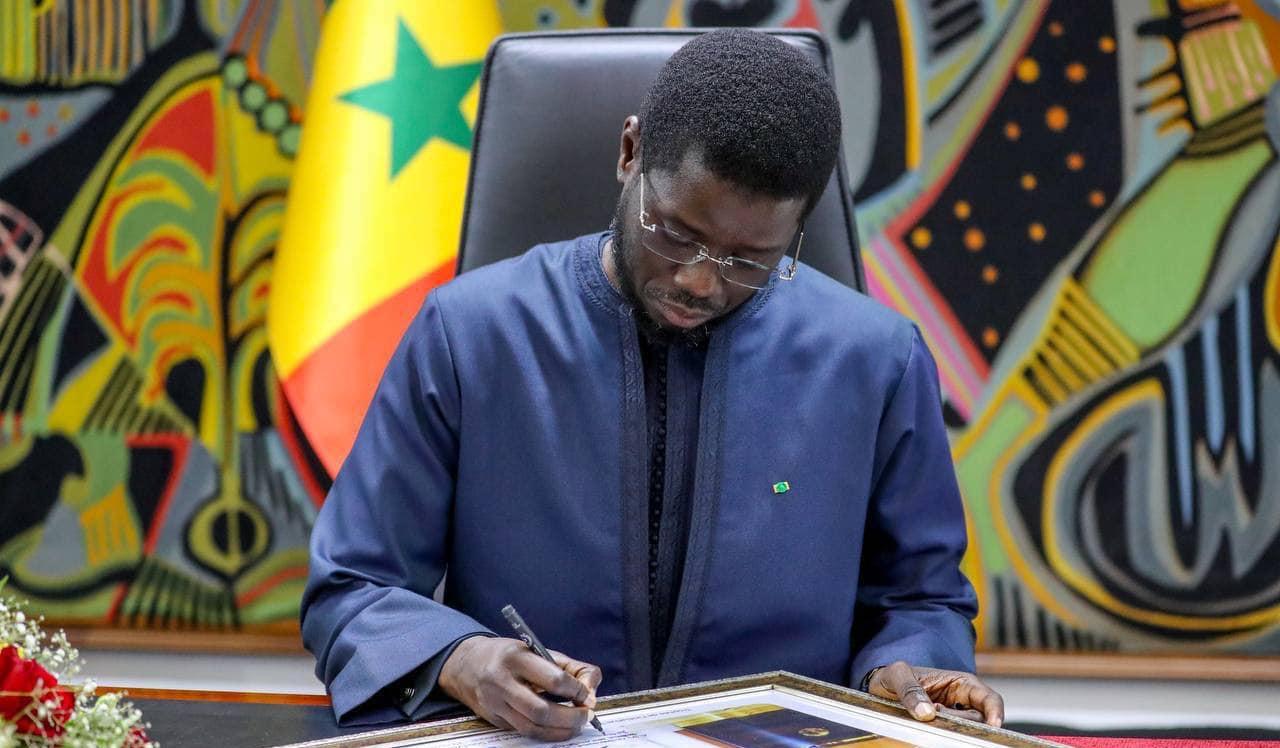
The reform process for Articles L29 and L30 of Senegal’s Electoral Code has reached a critical milestone. After the President returned the bill on May 7, 2025, citing material errors, the National Assembly reconvened for a second urgent deliberation. The revised text was adopted on May 11, 2025, under a fast-track procedure designed to streamline constitutional amendments.
Initial reports had suggested a deadline of May 13 for the President’s signature. However, legal experts clarified that constitutional timelines remained intact, and the deadline had not yet lapsed.
Key changes in Senegal’s electoral framework
The amendments focus on two core areas: eligibility criteria for candidates and the operational structure of electoral processes. These adjustments aim to enhance transparency and inclusivity in future voting cycles across Senegal.
With the President’s signature, the revised articles now hold full legal authority, cementing their role in shaping the nation’s electoral landscape.
