Amnesty International demands end to Bamako blockade by jihadists
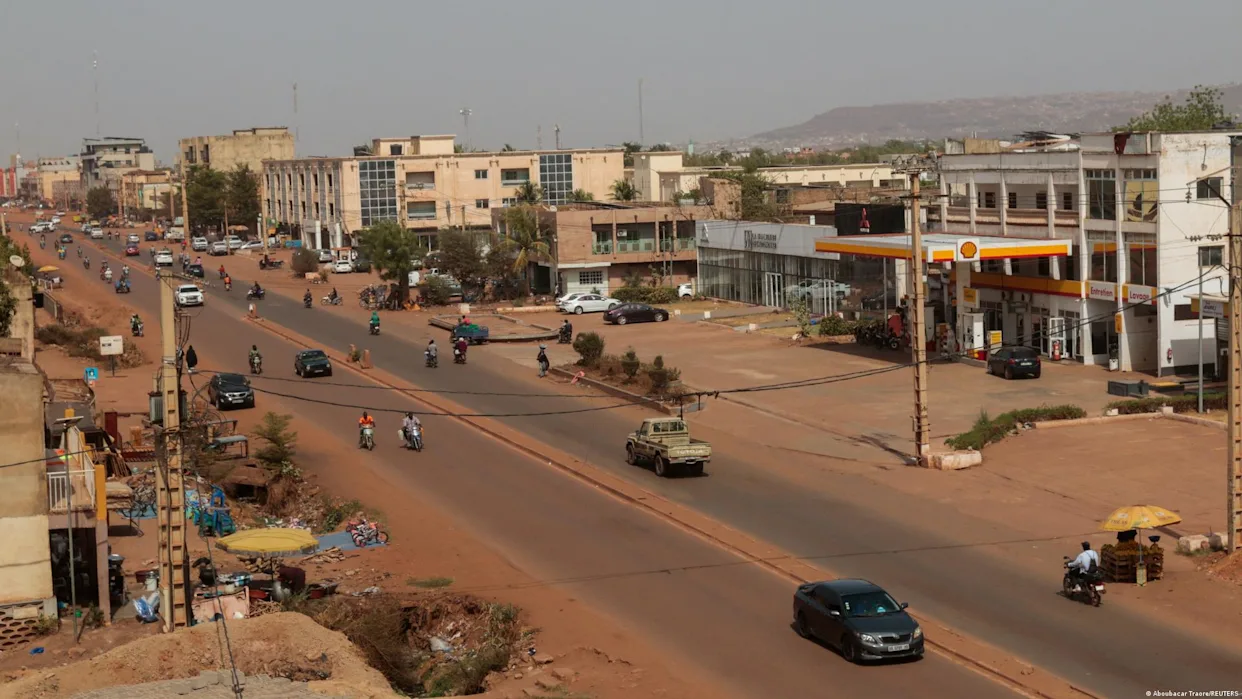
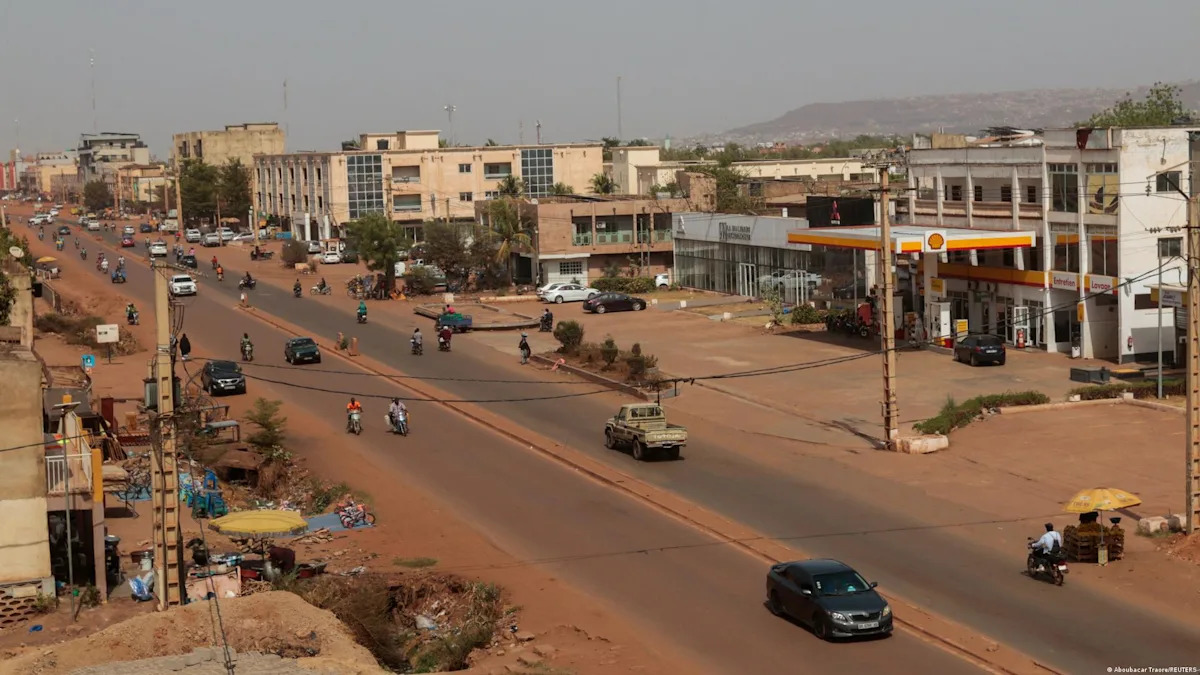
Amnesty International has urgently called on jihadist factions in Mali to immediately cease their blockade of Bamako, warning of severe humanitarian consequences. Since late April, armed groups have restricted critical access routes to the capital, cutting off essential supplies to a landlocked nation heavily dependent on road imports.
‘The current blockade has created unacceptable restrictions on civilian movement, threatening fundamental rights to food security, healthcare, and safety,’ stated the organization in a formal statement released today.
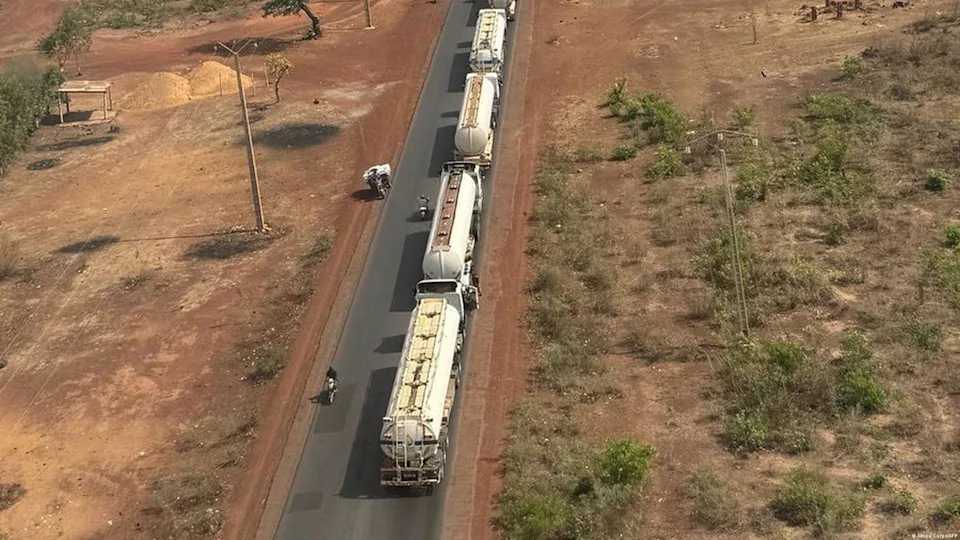
The NGO specifically highlighted an incident on May 6 where jihadist fighters attacked a civilian truck convoy transporting goods—including fresh produce—between Bamako and Bougouni in southern Mali. According to investigators, ‘the vehicles carried no military personnel or equipment and were not under military escort’.
Military escalation looms over Kidal conflict
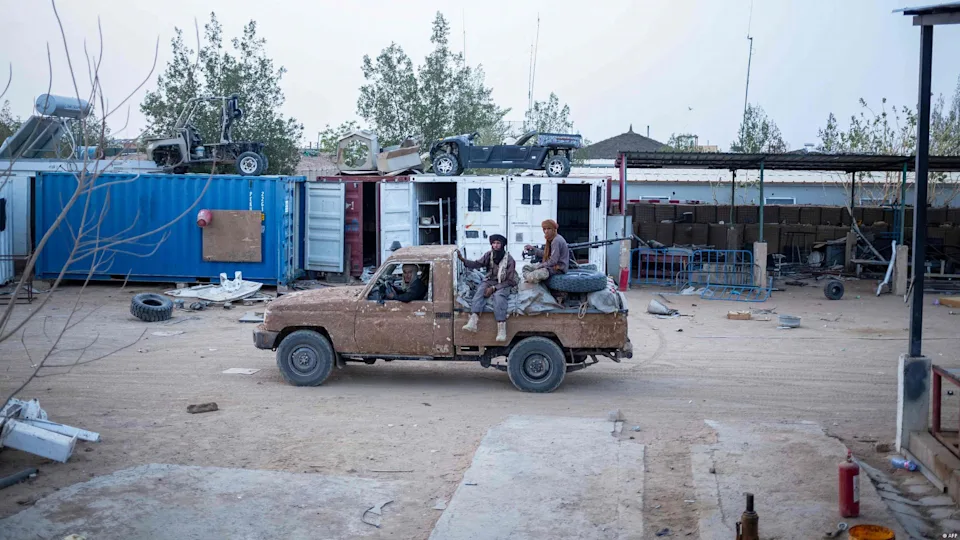
Meanwhile, Mali’s armed forces have announced intensified aerial strikes targeting Kidal, a city under rebel control since late April. The Malian military claims to have conducted multiple precision strikes, while separatist Tuareg forces report holding 200 captured Malian soldiers following intense clashes on April 25.
Residents in Kidal describe worsening conditions, including near-total power outages and disrupted telecommunications across northern regions. ‘We’re caught in a fog of war—no one knows who to trust anymore’, confided a local resident, echoing sentiments from other conflict-affected areas.
In Gao, where government forces maintain control, citizens report soaring food prices—particularly onions, which have doubled in cost—as economic pressures mount. ‘Authorities instruct us to rely solely on official statements’, noted one resident, highlighting the growing information void.
Jihadist control spreads in central Mali
Security analysts confirm jihadist presence across multiple central regions, particularly along the Niger River’s left bank in Ségou and parts of Koulikoro. In these areas, state institutions have reportedly withdrawn entirely, with armed groups imposing religious taxes and shuttering schools. Official figures indicate over 2,300 schools remain closed nationwide, with northern and central regions bearing the brunt of closures.
According to regional security expert Hervé Lankoandé Wendyam, ‘this represents a deliberate strategy to sever northern territories from Bamako’s authority’, while central regions face escalating violence as jihadist factions expand their territorial ambitions.
Abdoulaye Sounaye, a Sahel security analyst, notes both military factions are currently in ‘a phase of observation and rearmament’, with Malian forces preparing retaliatory measures against recent rebel gains. ‘Civilians remain trapped between warring parties, facing abuses from whichever force holds sway in their locality’, he warned.
Many experts advocate for inclusive dialogue as the only viable path to resolution. Ahmed Ould Abdallah of the 4S center emphasizes ‘this is fundamentally a political crisis requiring national consensus’, urging Bamako to engage all societal groups to prevent perpetual conflict. ‘The path forward demands courageous leadership willing to negotiate with all stakeholders’, he stated.
While Mali’s government maintains an official stance against negotiations with designated terrorist organizations, confidential channels have reportedly facilitated fuel supply agreements between military authorities and jihadist factions to maintain critical infrastructure operations.