
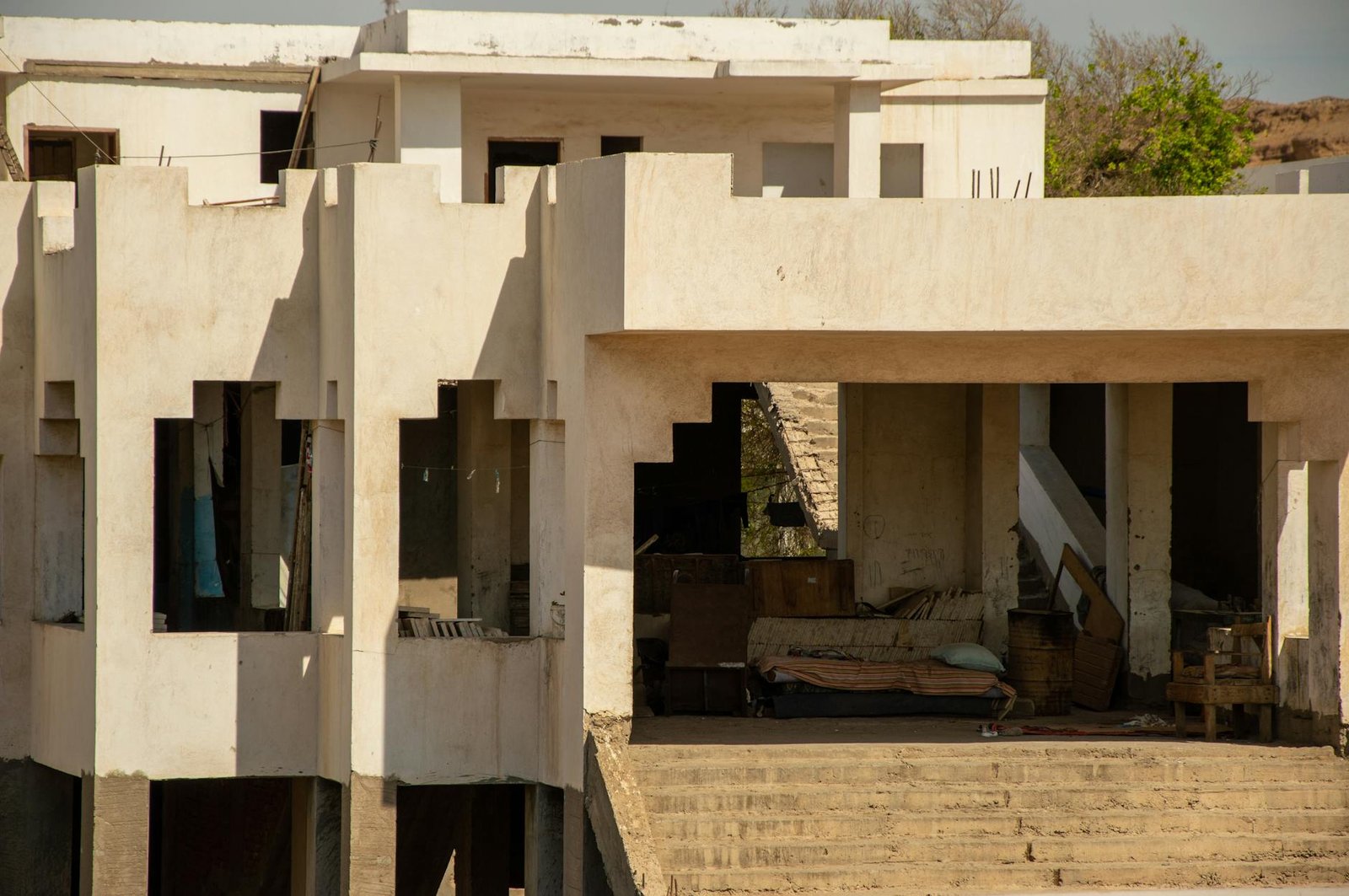
The Senegalese government is taking decisive action to address inefficiencies in its public asset management, focusing on 25 completed but unused infrastructures that have failed to deliver their intended services. According to official assessments, these dormant assets represent a staggering 279 billion CFA francs—an immobilized budget that generates neither economic nor social returns. The situation underscores a persistent issue in public procurement: the disconnect between project completion and effective operationalization.
Targeted audits expose dormant state-owned assets
The nationwide inventory aims to systematically evaluate state-owned properties, categorizing them into abandoned buildings, sector-specific equipment, and underutilized economic structures. Each unoccupied asset represents a direct loss, as maintenance costs, security expenses, and potential deterioration accumulate without any functional benefit. The administration in Dakar is determined to breathe new life into these facilities through redeployment, inter-agency collaboration, or public-private partnerships.
The audit process involves a meticulous case-by-case analysis to identify why these infrastructures remain idle. Common reasons include missing operational budgets, lack of clear allocation, or insufficient logistical planning during the construction phase. By pinpointing these gaps, authorities hope to prevent similar oversights in future projects.
Budgetary constraints drive urgency for asset revival
This audit aligns with the government’s commitment to financial transparency and fiscal responsibility since 2024. With rising debt servicing obligations and a push to reduce reliance on external financing, unlocking the value of existing assets offers a strategic advantage. The 279 billion CFA francs tied up in these facilities could be reallocated without incurring additional debt—a move that strengthens the state’s financial flexibility.
The initiative also reinforces broader reviews of public contracts and parastatal entities, echoing calls from the Court of Auditors to improve post-delivery project oversight. Rather than increasing tax burdens or launching new investments, the administration prioritizes maximizing the utility of current resources.
Strengthening project governance and accountability
The audit highlights systemic flaws in Senegal’s infrastructure lifecycle management. Project completion should mark the beginning of economic utility, yet the transition from design to operation often suffers from fragmented responsibilities across ministries and agencies. International financial institutions have long advocated for clearer accountability chains, from feasibility studies to service activation.
For the 25 flagged sites, multiple recovery strategies are under consideration. Some may be repurposed to house government agencies currently renting private office spaces, saving on rental costs. Others could be leased or concessioned to private operators under strict performance criteria. In cases where critical gaps exist—such as missing equipment or staff—the administration may allocate additional resources to activate the original intended services. Final decisions will hinge on individual assessments and upcoming budget allocations.
This asset revival initiative serves as a credibility test for Senegal’s public administration. Success will depend on transparent progress reporting and measurable performance indicators. If executed effectively, it could set a regional precedent, particularly for countries grappling with the costly phenomenon of ‘ghost infrastructures’ that drain public investment returns.