Senegal enforces tougher penalties for unnatural acts, Sonko rejects foreign criticism
Government stands firm on penal code reform amid international scrutiny
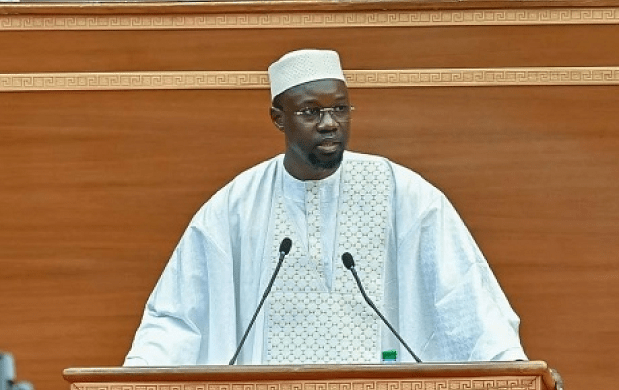
Prime Minister Ousmane Sonko delivered a resolute message to lawmakers on Friday, affirming that the newly strengthened penalties for acts deemed unnatural will be enforced with unwavering determination. Speaking during a parliamentary session dedicated to current affairs, Sonko dismissed concerns raised by international observers regarding the recently enacted legislation.
During the exchange with deputies, the head of government underscored the importance of strict and impartial implementation of the revised penal code, specifically targeting alterations to Article 319. He emphasized that once a law is adopted and signed, its provisions bind all citizens—regardless of prior opposition during legislative debates.
The reform, signed into law by President Bassirou Diomaye Faye on March 27, 2026, modifies the original penal code established in 1965. The updated text introduces harsher penalties for acts classified as “contrary to nature,” while also criminalizing their public glorification and financial support. Offenders convicted under these provisions face imprisonment ranging from five to ten years and fines between two and ten million West African CFA francs.
Addressing criticism from Western nations, particularly France, Sonko reaffirmed Senegal’s legislative sovereignty. He declared that Senegalese society retains the autonomy to shape its values and rejected any notion of external interference in domestic legal matters. The Prime Minister framed the reform as a protective measure for society, citing public health concerns—including the spread of HIV—as key motivations behind the legislation.
In a firm rebuff to calls for a moratorium, Sonko confirmed that no delays would be granted in enforcing the law. He reiterated the government’s commitment to ensuring its full and immediate application across the country.
