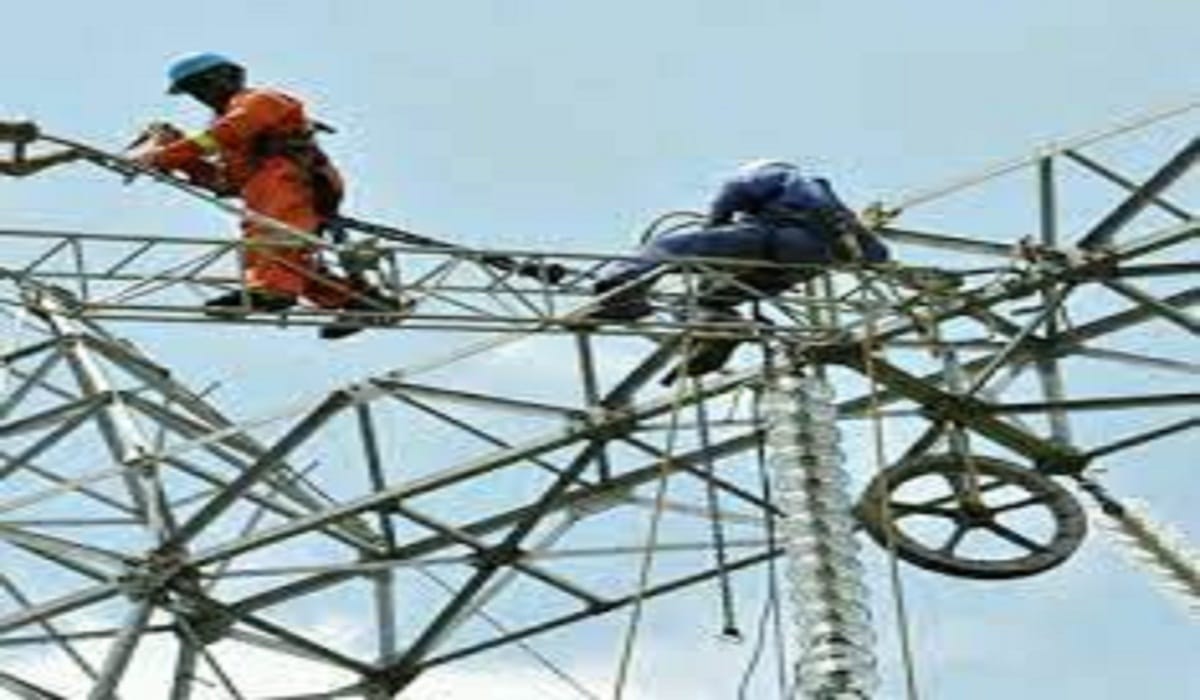
Public private partnership to boost Mali energy transport infrastructure
Mali to launch public-private partnership for energy transport infrastructure
Government officials confirm new financing model aimed at resolving persistent energy distribution challenges across critical regions
New energy transport model emerges as Mali faces critical infrastructure gap
The government is set to implement a long-discussed public-private partnership model to address persistent challenges in energy distribution infrastructure. Economic analysts highlight how this approach could resolve bottlenecks that have constrained development for years.
Energy sector officials confirm that current cash flow constraints have significantly slowed infrastructure investments. The Ministry of Finance faces mounting pressure as non-performing debt obligations consume resources that could otherwise fund critical energy projects. This financial strain has prevented payment to energy producers, resulting in a daily loss of 30 megawatts of electricity—equivalent to the output of the Lagdo dam.
The deteriorating state of transmission infrastructure further exacerbates the situation, with an estimated 30 MW of generated power lost daily due to inefficiencies in the distribution network. This energy shortfall represents a substantial economic opportunity cost for the nation.
PPP model gains traction as traditional financing proves inadequate
Public-private partnerships offer a viable solution by bringing private sector capital and expertise to large-scale infrastructure projects. This model transfers project design, implementation, and management responsibilities to private partners, reducing bureaucratic delays that have plagued government-led initiatives.
Government officials point to a pattern of project failures characterized by cost overruns and delays. The proposed PPP framework aims to mitigate these risks by leveraging private sector efficiency and accountability. Energy transport projects, particularly those connecting major urban centers, stand to benefit significantly from this approach.
Critics argue that conventional government procurement processes have consistently failed to deliver timely results. The absence of private sector involvement in transportation infrastructure has led to protracted project timelines, with some initiatives taking decades to complete.
«While neighboring countries successfully implement PPP models to accelerate infrastructure development, our approach remains mired in outdated procurement practices. The energy sector cannot afford further delays when private capital stands ready to fill the funding gap», noted one senior energy official who requested anonymity.
International partnerships strengthen Mali’s infrastructure ambitions
Discussions with international partners have intensified as Mali seeks to modernize its energy transport infrastructure. Recent engagements with European financial institutions have explored potential collaboration models that could bring both capital and technical expertise to critical projects.
The government’s shift toward PPP frameworks reflects a growing recognition that traditional financing models cannot meet the nation’s infrastructure needs. By engaging private partners in project development, Mali aims to accelerate the deployment of modern energy transport systems while maintaining public sector oversight.
