
OIF leadership race: France’s hidden agenda exposed
The International Organisation of La Francophonie (OIF) is set to elect its Secretary-General during a landmark summit in Phnom Penh, Cambodia, on November 15-16, 2026. This high-stakes decision will shape the future direction of the organization for the next four years, influencing diplomatic balances across Africa, Europe, and the Americas.
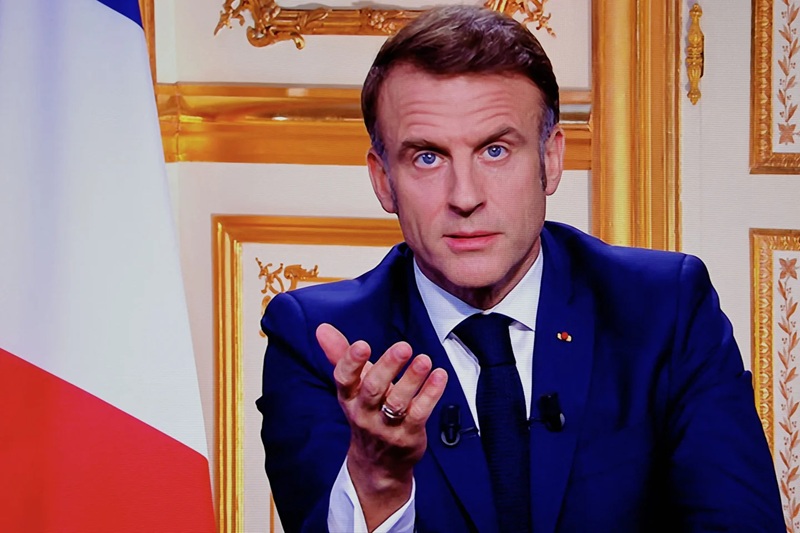
As the voting day approaches, unconfirmed but well-placed sources reveal that France, under President Macron’s leadership, appears to be secretly backing former Romanian Prime Minister Dacian Cioloș to replace Rwanda’s Louise Mushikiwabo. Her term is concluding, and the OIF’s leadership is now up for grabs.
While French diplomats publicly champion the Democratic Republic of the Congo’s candidate, Juliana Amato Lumumba—a former Minister of Culture and Arts—they are reportedly working behind the scenes to rally support for Cioloș within Africa’s Francophone bloc. This dual strategy raises questions about France’s true intentions.
Why would France prioritize a Romanian candidate over the Congolese contender, given the DRC’s unmatched influence in the Francophonie? With over 100 million French speakers, a thriving francophone media landscape, and prestigious universities, the DRC is the beating heart of the Francophonie. Meanwhile, Rwanda has openly distanced itself from French language and culture, despite completing two terms under Mushikiwabo’s leadership.
The French maneuver appears to be an attempt to block Lumumba’s candidacy, leaving observers to wonder: Is France deliberately undermining the DRC’s legitimate claim to lead an organization it so profoundly represents?
If Lumumba’s bid fails due to France’s covert interference, Kinshasa would be justified in reassessing its relationship with Paris. As the world’s largest Francophone nation, the DRC deserves fair and respectful treatment—not diplomatic sabotage disguised as strategic maneuvering. The OIF is no mere ceremonial post; its leader wields subtle but significant influence over global Francophone affairs.
For the role to be filled effectively, the next Secretary-General must embody neutrality, experience, and a deep commitment to the Francophonie’s values. Juliana Amato Lumumba meets these criteria flawlessly. Her vision aligns with the organization’s core mission, unlike the alternative being pushed by France.
The time has come for African Francophone nations to recognize France’s double standards. If Lumumba is denied the position due to external manipulation, the DRC must respond with decisive measures against such diplomatic subterfuge. The Francophonie belongs to its members—not to foreign powers pulling strings from the shadows.