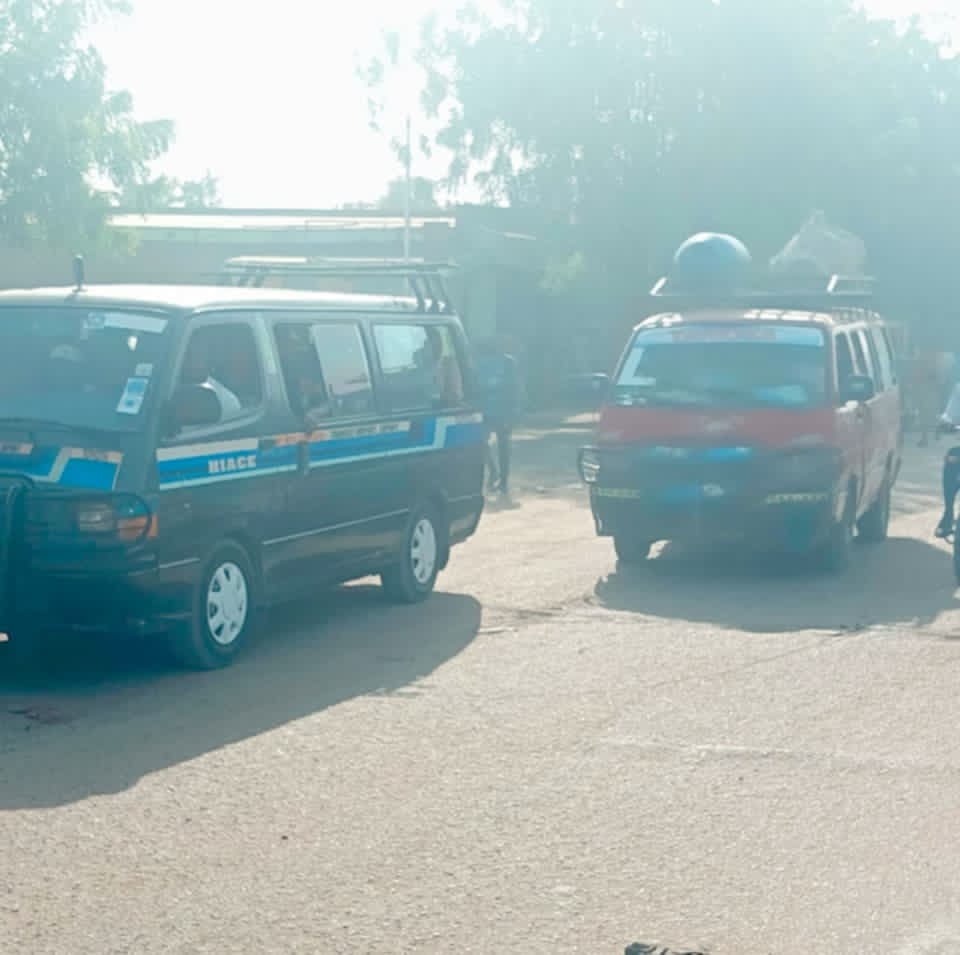
N’Djamena tackles chaotic minibus stops for safer urban mobility
N’Djamena’s minibus chaos demands urgent stop organization
Unregulated minibus stops in N’Djamena are fueling traffic chaos, safety risks, and urban disorder. Experts say structured stops are long overdue.
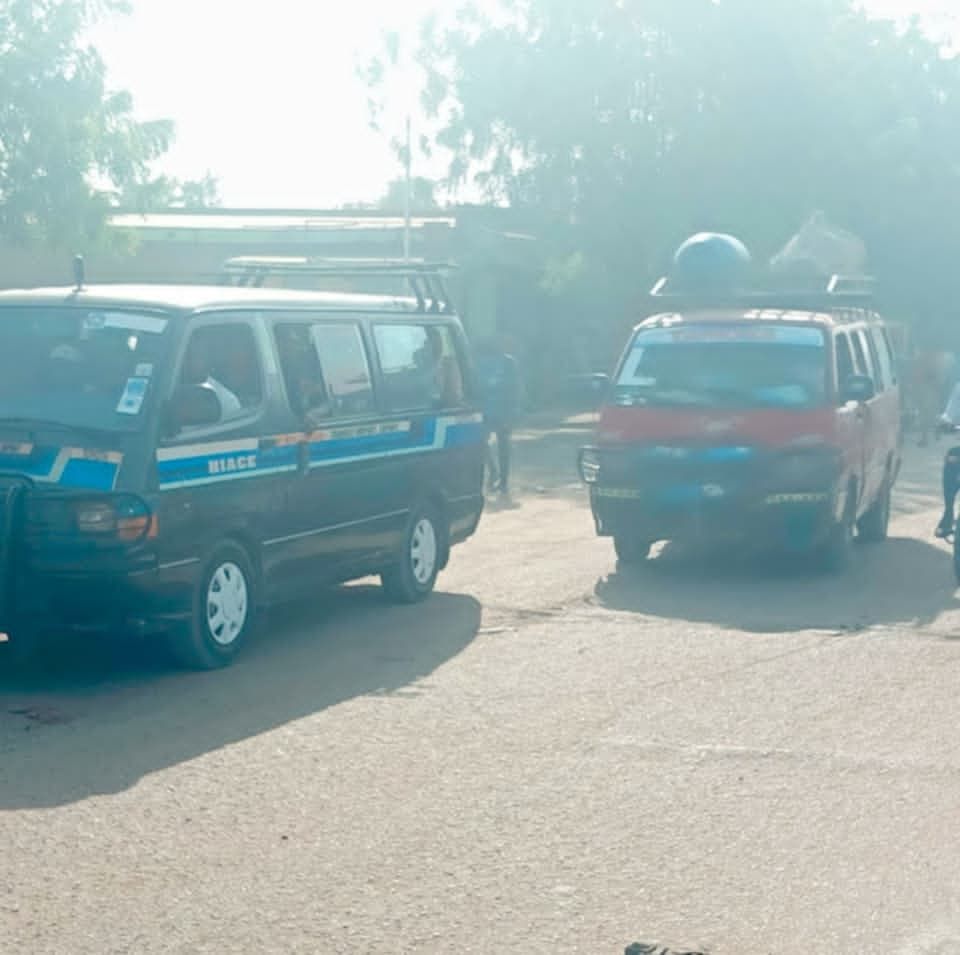
In a capital city grappling with rapid urban expansion, public transport has become a pressing issue. In N’Djamena, minibuses—serving as the lifeblood of daily commutes for thousands—operate in a largely unregulated framework.
This informality breeds chaos: haphazard stops, gridlocked roads, and frequent accidents. The absence of designated pick-up and drop-off zones has escalated into a public safety crisis and urban planning failure. Day in and day out, minibuses screech to a halt on busy streets, forcing passengers to board and alight in the flow of traffic.
Without dedicated spaces, drivers pull over unpredictably, often obstructing lanes. This habit, now deeply ingrained, clogs arterial routes and puts commuters—especially during rush hour—at grave risk of collisions. Pedestrians, too, are forced to navigate treacherous conditions just to reach vehicles, further endangering their safety.
The solution lies in establishing well-planned minibus stops. By introducing clearly marked zones every 150 to 200 meters—adjusted for neighborhood density—authorities can restore order to the transport network. These stops would streamline boarding and alighting, curb reckless driving linked to chaotic stops, and elevate overall traffic discipline.
Improving mobility isn’t just about infrastructure—it’s about reshaping urban culture. Other African capitals facing similar challenges have reaped the benefits of organized public transport systems, where structured stops improved road behavior and travel efficiency.
N’Djamena cannot afford to lag behind. Local councils, transport authorities, and informal sector operators must collaborate to implement change. Signage, sheltered stops, and driver awareness campaigns could mark the first tangible steps. Yet beyond physical upgrades, what’s truly needed is political resolve and collective coordination.
With urban growth accelerating, proactive transport planning is no longer optional—it’s essential. Organizing minibus stops isn’t just about safety; it’s about building a modern, efficient, and sustainable mobility future for N’Djamena.
