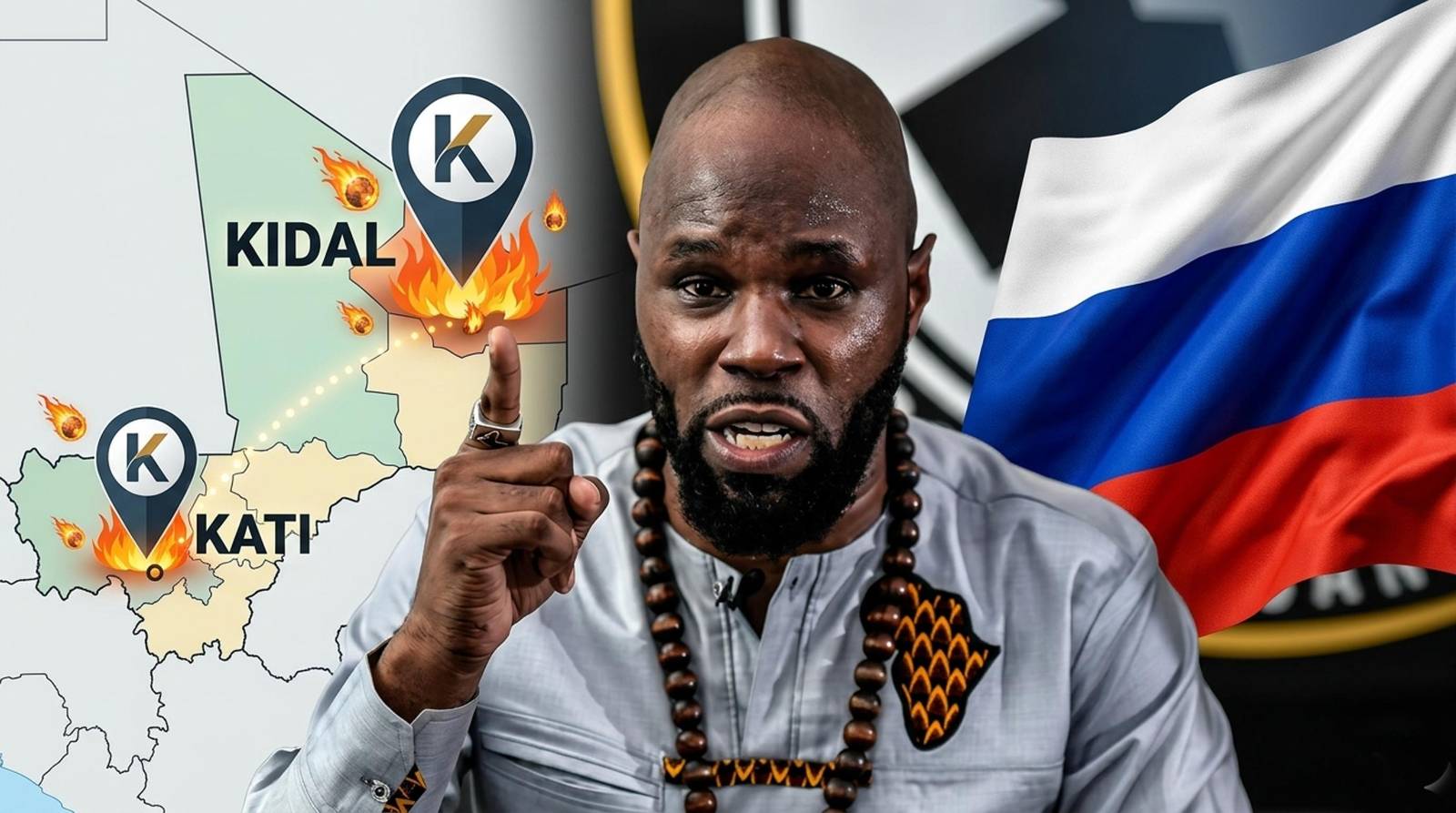
Mali’s russian partnership: why the promised security is crumbling
From promises to chaos: Mali’s Russian alliance under fire
On April 25, 2026, a day that will be etched in Mali’s recent history, the narrative of a swift “liberation from the East” collapsed under the weight of reality. As the Africa Corps fighters struggled to hold ground in Kati and Kidal, the cracks in the alliance with Russia grew wider than ever. What was once hailed as a game-changing partnership now stands exposed—not just for its inefficacy, but for the hypocrisy of those who championed it.
In Bamako and military outposts across the North, the morning brought no celebration of sovereignty, only the cold reality of war. Explosions in Kati, the stronghold of Mali’s military leadership, shattered illusions overnight. The partnership with Russia, marketed as the ultimate antidote to armed groups, has failed spectacularly. Yet the most telling twist? Even its biggest backers, like activist Kemi Seba, are now scrambling for an exit strategy.
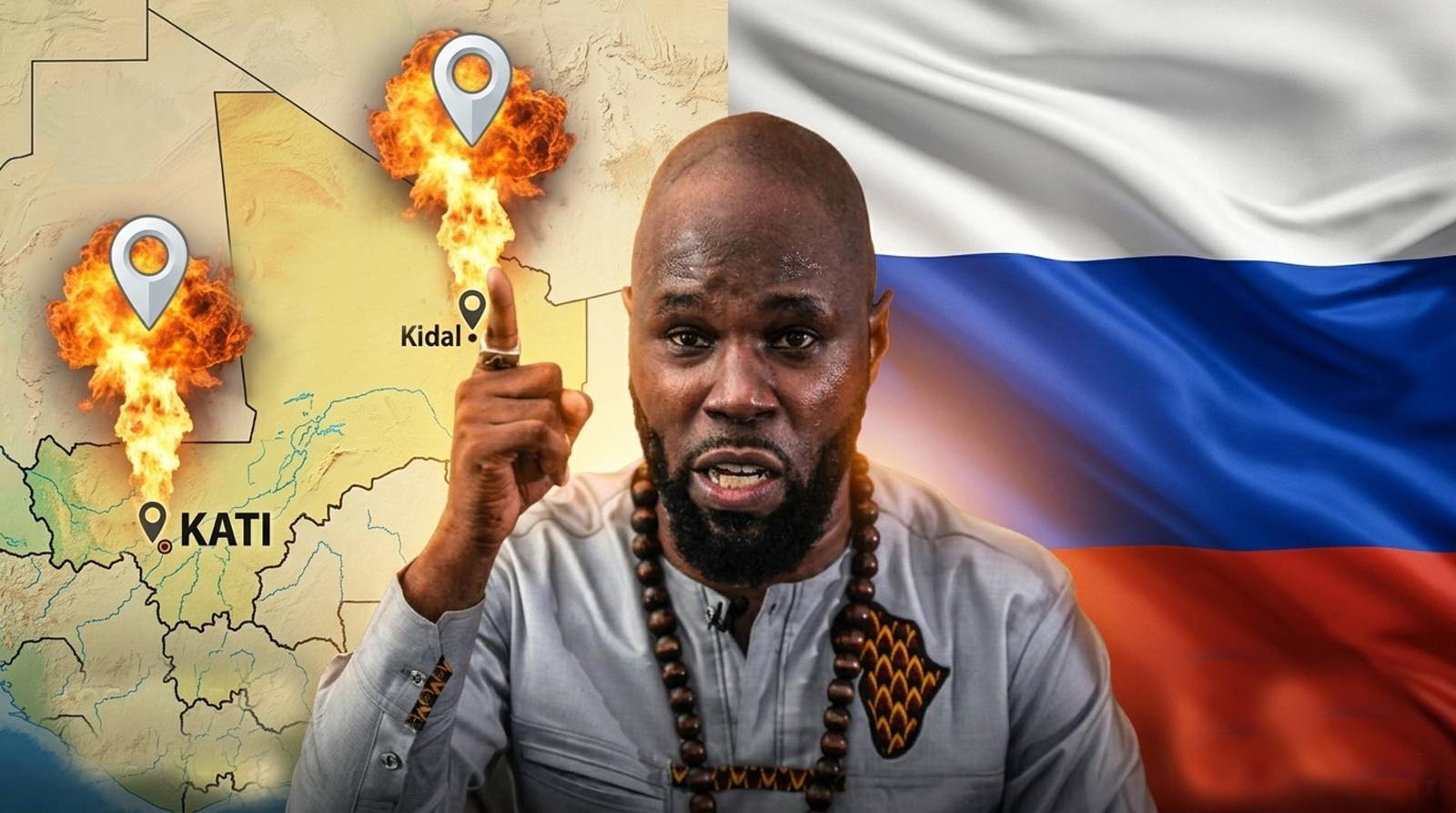
When “turnkey security” becomes a distant dream
The idea that Russian “instructors” could magically restore peace in Mali has been thoroughly debunked. What we’re seeing instead are coordinated attacks, burning armored vehicles, and relentless pressure on military bases. The much-touted “all-military” strategy with Moscow has only managed to alienate allies without securing a single additional inch of territory.
The promised stability remains a mirage. Instead of a quick fix, the alliance has delivered a cycle of violence, broken promises, and a military that’s stretched thinner by the day. The Malian people, once sold on the dream of Russian-backed security, are left questioning: what exactly was gained?
Kemi Seba’s double game: from Russia’s loudest cheerleader to its critic
No one embodies the shifting sands of this alliance more than Kemi Seba, the self-proclaimed panafricanist who once positioned himself as the architect of Mali’s break from Western influence. Publicly, he’s still the bold voice demanding sovereignty. Privately? The audios circulating on WhatsApp tell a different story.
In these leaked recordings, Seba’s tone is unfiltered. He doesn’t just criticize the Russians—he calls them “opportunists of the worst kind.” The activist, who once urged Mali to trust Moscow, now admits what many feared: Russia isn’t in this for Mali’s security. It’s a transaction. Mercenaries, weapons, and access to Mali’s gold mines in exchange for influence. Seba’s admission is damning: if Russia behaves like a “new colonizer,” it won’t last long. His own followers are left wondering: what happened to the promised savior?
The harsh truth: sovereignty sold short
While Seba debates the ethics of alliances in philosophical terms, it’s the Malian people and soldiers who pay the price. The “Russian solution” has become a business—one where security is the first promise broken every month. Today’s offensive in Kidal and Kati proves the strategy is fundamentally flawed. Swapping one master for another hasn’t changed the reality on the ground. Attacks are more intense, morale is lower, and the military is overstretched.
Mali now faces a brutal reckoning. The Russian partnership, once sold as a miracle cure, has delivered neither miracles nor security. Instead, it’s left the country more divided, its people more vulnerable, and its leaders scrambling to rewrite the narrative. The bill for this gamble? It will be steep—and it’s coming due faster than anyone expected.
