Jnim jihadists execute quranic teacher in Mali’s Tombouctou region
Jnim jihadists execute quranic teacher in Mali’s Tombouctou region
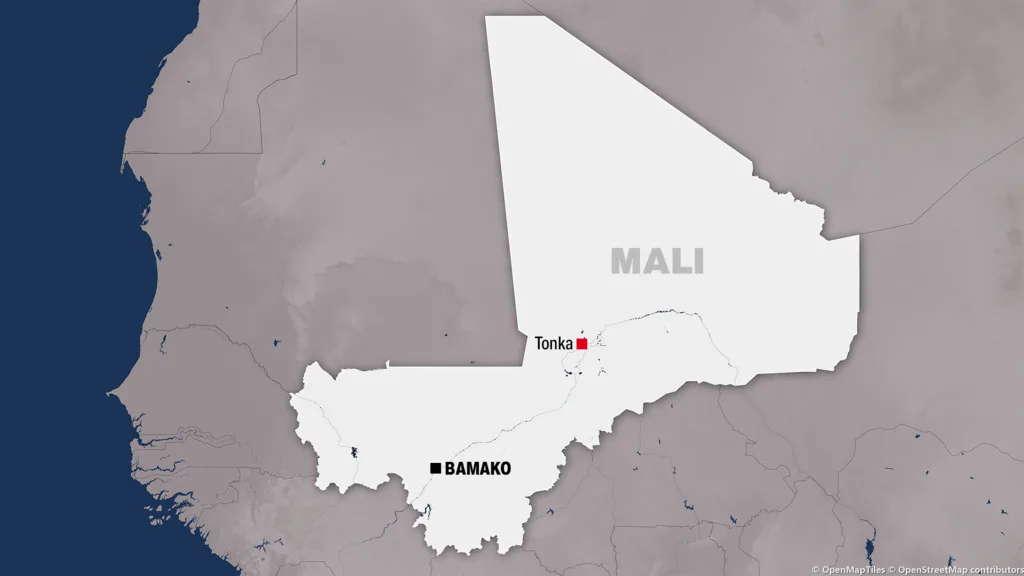
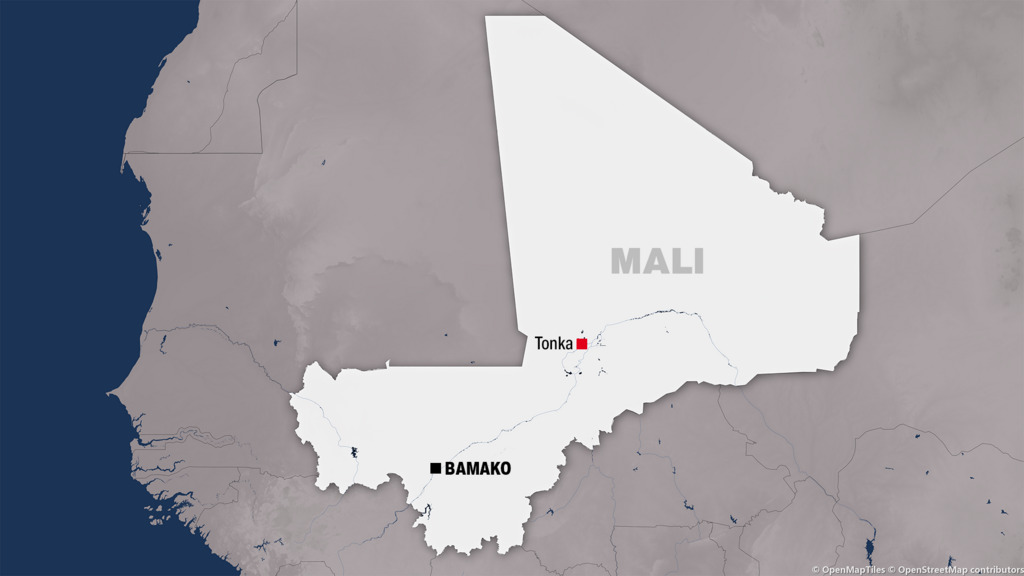
In a chilling incident highlighting the ongoing security challenges in Mali, Abdoul Salam Maïga, a respected Quranic teacher from a local medersa in Tonka, was publicly executed by armed jihadists of the Jnim group. The tragic event unfolded near the market in Tonka, a town nestled within the broader Tombouctou region, as Maïga was engaged in a peaceful discussion with friends in a traditional gathering spot, known as a ‘grin’.
Eyewitness accounts from local community leaders indicate that armed Jnim militants abruptly seized Maïga, ordering him to accompany them. A short time later, the jihadists reappeared, with Abdoul Salam Maïga blindfolded, and proceeded to execute him by gunfire in front of the community. This brutal act has sent shockwaves across the region, adding to the grim narrative of insecurity affecting West Africa Mali news.
While some speculate that Maïga’s assassination might stem from religious disagreements, with one individual suggesting he may have refused to cooperate with the militants, the prevailing belief among most local residents is that his perceived association with the Malian army was the primary motive behind the Jnim’s actions. This belief underscores the complex and dangerous environment faced by civilians in areas under jihadist influence, where allegiances are often violently scrutinized.
This latest killing in Tonka is not an isolated incident but rather a continuation of a disturbing pattern of targeted assassinations impacting Mali. Just last November, the nation mourned the public execution of Mariam Cissé, a young TikToker from Tonka renowned for her vocal support of the Malian military. Her death sparked widespread indignation and a surge of patriotism across the country, making headlines in Mali current affairs.
More recently, in late March, Amadou Baby, a prominent leader within Tonka’s youth organization, was gunned down in the street. His association was suspected by the jihadists of providing intelligence to Malian forces, even though Tonka itself does not host a military camp. These incidents paint a stark picture of the threats faced by those perceived to be in opposition to the extremist groups operating in the region, an important aspect of Mali politics english discourse.
A resident from the area expressed the profound distress gripping the communities. “In Tonka, Diré, Goundam, or Tombouctou, people are deeply shocked by all these assassinations,” the resident conveyed. “This creates immense emotion throughout the entire region.” The escalating violence continues to be a central point of Mali news, prompting concerns for stability and peace across the country.
