

Gabon’s engineers break silence on water and power crisis
For years, Gabon’s water and electricity crisis has been discussed solely through its consequences: blackouts, water shortages, and public frustration. Rarely has the conversation addressed the root issue: have the voices of those who truly understand the networks, infrastructure, and technical constraints been heard?
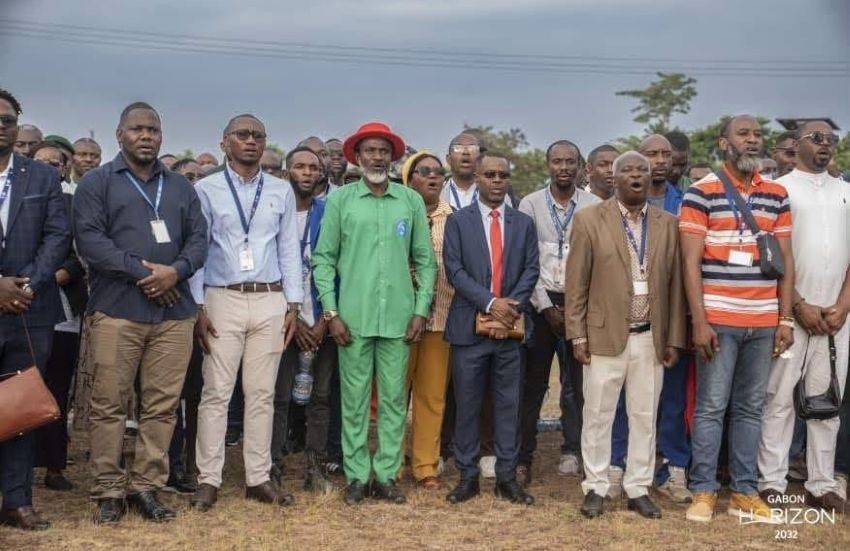
A landmark meeting in Libreville this week may have shifted that narrative. President Brice Clotaire Oligui Nguema met with SEEG technicians at the Jean Violas Center in Owendo for nearly three hours, listening directly to those who deal with the crisis every day.
The engineers’ assessment was blunt. Beyond aging infrastructure, one of SEEG’s deepest challenges is the gradual sidelining of technical expertise in decision-making.
The voices of technicians at the heart of the solution
A senior technician’s testimony encapsulated years of frustration. Engineers identify failures, assess risks, and propose solutions—but their recommendations often go unheard in high-level strategic decisions.
This disconnect mirrors global trends. When operational realities are ignored, systemic dysfunctions fester. Electricians, network engineers, and water specialists described a system where technical know-how doesn’t always hold the influence it should.
The comparison to international corporations is striking. Boeing’s struggles, often cited in industrial management studies, highlight what happens when administrative or financial priorities overshadow technical demands. Conversely, companies like Mercedes have thrived by prioritizing engineers in strategic choices.
Water shortages: a design and production challenge
The discussions also shed light on lesser-known aspects of the water crisis. While aging pipes and breakdowns contribute to shortages, pressure issues play a critical role. When water volumes drop, pressure falls, cutting off supply to high-rise buildings and distant neighborhoods—especially during the dry season.
The Ntoum River, currently the primary water source, suffers from seasonal depletion, reducing both water levels and flow. A potential solution emerged: expanding intake from the Kango River, whose year-round volume and stability could meet growing demand. Such a project would require significant investment but aligns with the long-term infrastructure needs of a developing nation.
Reform hinges on technical expertise
The upcoming launch of Gabonaise des Eaux and Électricité du Gabon presents a historic opportunity to rebuild two critical sectors. Success, however, won’t hinge on funding or equipment alone—it depends on reinstating technical expertise at the core of operations.
The President’s direct engagement with technicians revealed a key insight: solutions often exist within the organizations themselves. The expertise of engineers, technicians, and frontline staff is the linchpin for sustainable service delivery.
Gabon’s future water and power entities must prioritize these voices. Infrastructure can be funded by the state, but only technical competence, ground-level insights, and operational knowledge can ensure lasting public service. That may be the most vital lesson from this crisis.