
A major European Union funding initiative for Dakar‘s public transport system has ignited a heated discussion in Brussels. The 300 million euro tender, aimed at acquiring buses and related infrastructure for Senegal‘s capital, appears to favor a state-linked Chinese company known for previous violations of EU foreign subsidy regulations.
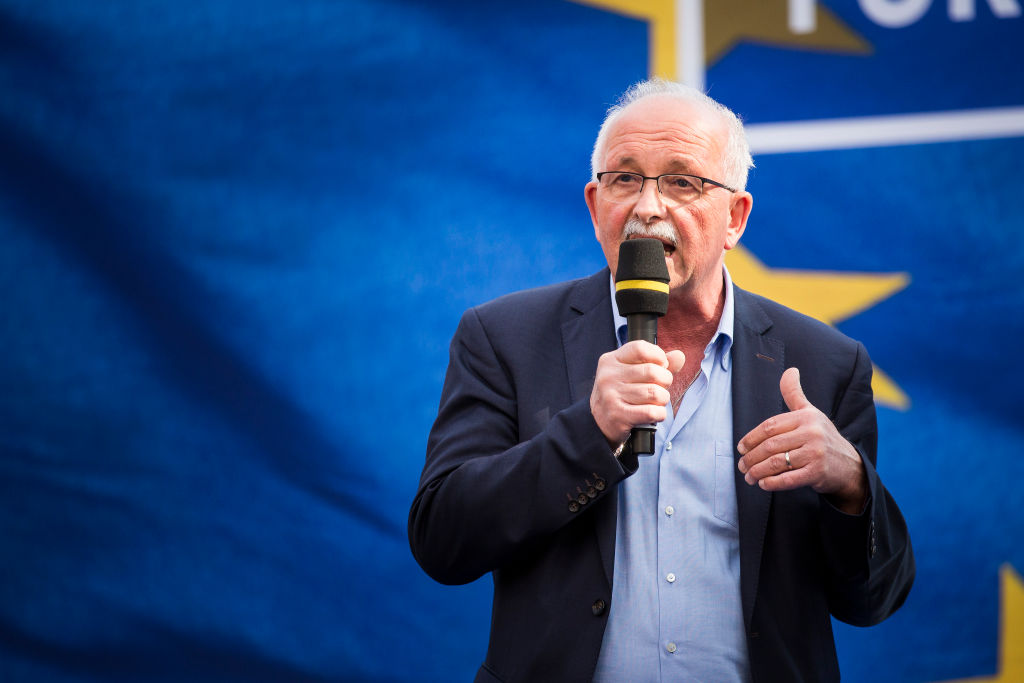
We should not oppose this project if it genuinely benefits local workers, declared Udo Bullmann, a prominent socialist member of the European Parliament. His stance contrasts sharply with critics who have dismissed the potential deal as irresponsible.
During a recent visit to Beijing, Senegalese officials secured an agreement to establish a bus assembly plant in the country. Bullmann emphasized that the project’s success hinges on creating skilled employment opportunities and adding value within Senegal itself.
The priority must be African labor and African value creation, he asserted during a press briefing in Brussels. I have no objection to Chinese investors as long as they invest in training and empowering local workers to meet higher standards.
The debate extends beyond employment, with Barry Andrews, chair of the European Parliament’s development committee, highlighting financial discrepancies. The Chinese bid reportedly undercuts the sole European competitor, Scania, by more than 50%, potentially forcing Senegal to pay a premium for infrastructure it needs.
Andrews cautioned that Senegalese authorities must choose what serves their interests best, warning that accepting the higher European bid could mean paying twice as much for essential services.
Bullmann, who chairs the European Parliament’s delegation to South Africa, further argued that Europe offers the most equitable partnership for Africa compared to other global powers. His remarks came during the African Days event in Brussels, where African and European policymakers gathered to discuss development cooperation.
If you seek exploitation, turn to China. If you seek political repression, turn to the United States. For genuine partnership, turn to Europe, Bullmann stated.
The controversy also touches on a broader EU policy shift. Jozef Síkela, the EU’s development commissioner, recently announced plans to prioritize European production in future development projects—a move Bullmann strongly opposes.
The only rule that matters is giving preference to local production, he insisted. EU-funded tenders should prioritize African-made solutions to drive sustainable growth.