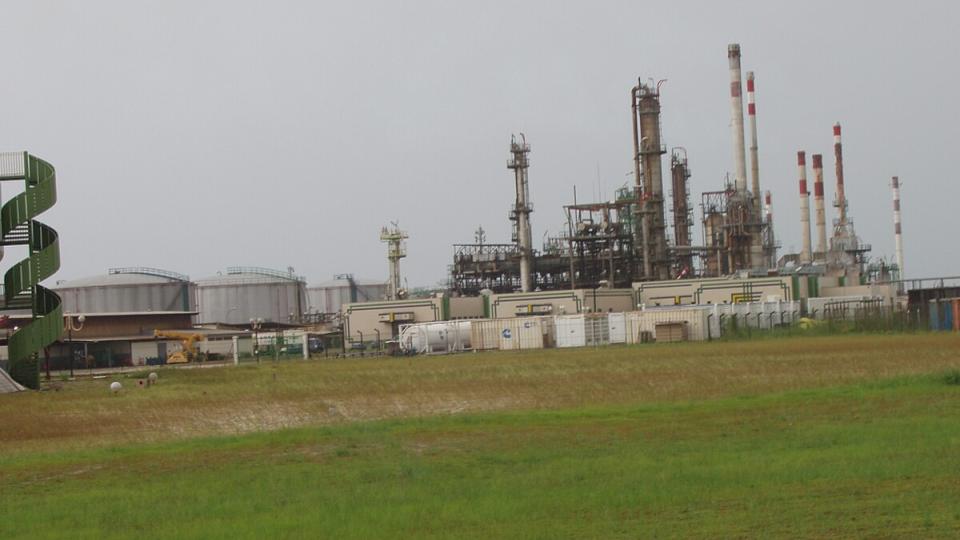
Gabon seeks to cut fuel imports by modernizing key refinery SOGARA
The Gabonese Republic, a leading oil producer in Central Africa, is grappling with a persistent economic challenge: its heavy reliance on imported refined petroleum products. To address this vulnerability, the Bank of Central African States (BEAC) is urging authorities in Libreville to accelerate the modernization of the Gabonese Refining Company (SOGARA), a move deemed essential to ease public finances and safeguard the subregion’s foreign exchange reserves.
Why Gabon’s fuel imports pose a growing economic burden
Despite producing substantial quantities of crude oil daily, Gabon continues to import large volumes of gasoline and diesel due to the SOGARA refinery’s outdated infrastructure and limited processing capacity. This dependency leaves the national economy exposed to global market fluctuations, where geopolitical tensions and volatile oil prices can sharply inflate the country’s energy bill, straining its trade balance and depleting foreign currency reserves managed by the central bank.
Modernizing SOGARA: A strategic solution for energy independence
In its latest economic outlook report, BEAC has emphasized the urgent need for targeted investment in the Port-Gentil refinery. The institution recommends acquiring advanced technological equipment, including an hydrocracker, to boost the production of high-demand refined fuels and convert a larger share of locally extracted crude into usable products. Such an upgrade would enhance SOGARA’s operational efficiency, reduce the need for costly imports, and gradually phase out energy subsidies that weigh heavily on the national budget.
Government under pressure to act on BEAC’s recommendations
The central bank’s appeal places the Gabonese government at a critical juncture. Beyond technical improvements, this decision carries significant implications for economic sovereignty and energy security. Decision-makers and financial market analysts will closely monitor the upcoming budgetary allocations in the Finance Bill to determine whether these priorities translate into concrete financial commitments. For Gabon, successfully transitioning toward local refining could serve as a cornerstone for macroeconomic stability in the years ahead.
