
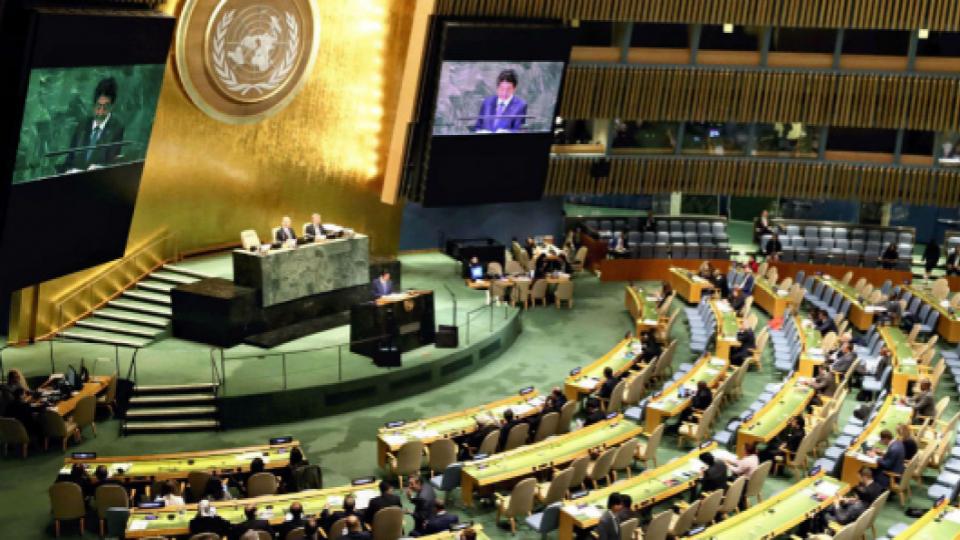
The Gabon has achieved a landmark diplomatic breakthrough after being elected as vice-president of the United Nations General Assembly (UNGA). The appointment, finalized on Tuesday, June 2, 2026, restores Libreville’s presence in the UN’s top decision-making body for the first time in nearly ten years.
This new role places Gabon among 21 other vice-presidents who will collectively guide the 81st session of the UNGA, set to commence in September 2026. The country joins five other African nations—Cabo Verde, Egypt, Guinea-Bissau, Eritrea, and Zimbabwe—in this prestigious position.
The Gabonese Permanent Mission to the UN, representing the African regional group, is expected to play a central role in shaping the assembly’s agenda. Working closely with the elected president of the session, Khalilur Rahman, Gabon will help steer international legislative priorities and ensure smooth coordination among member states.
Strategic responsibilities in the heart of the UN
Over the next year, Gabon’s vice-presidency will carry significant managerial and political weight. The Gabonese representative will preside over multiple plenary sessions, including high-level debates on critical global issues.
The most influential platform for Gabon will be the influential UN General Committee. Here, the country will directly contribute to key decisions, including the allocation of agenda items, the scheduling of pivotal votes on global resolutions, and the management of institutional priorities. This role provides a powerful opportunity to amplify Gabon’s voice on the world stage.
Africa’s priorities take center stage
Beyond procedural duties, Gabon’s vice-presidency offers a platform to champion African causes. In collaboration with fellow member states, Gabon will advocate for the continent’s most pressing concerns, including sustainable development, climate action, and reforms within the UN system.
This diplomatic milestone underscores the international ambitions championed by President Brice Clotaire Oligui Nguema, reinforcing Gabon’s commitment to global governance and multilateral cooperation.