Gabon’s parliamentary session: government addresses national concerns
Gabon’s government faces parliamentary scrutiny
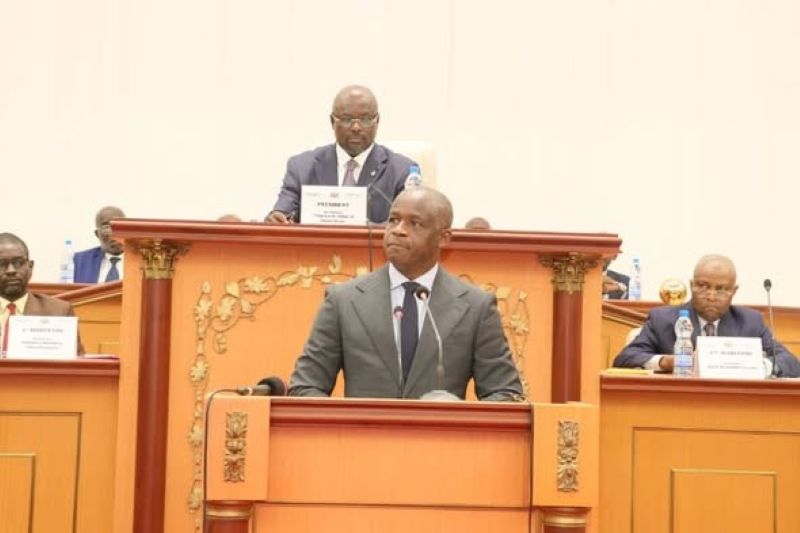
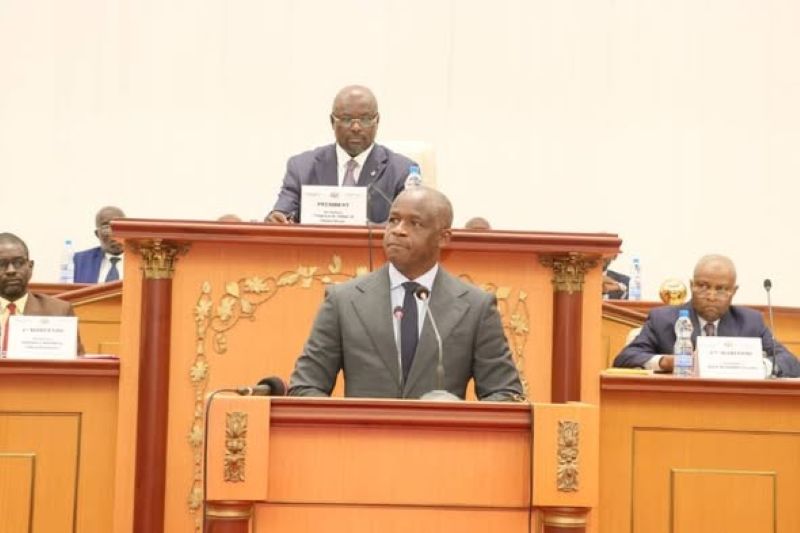
Libreville, Wednesday, June 3, 2026 – At the National Assembly, Gabon’s deputies held the government accountable, addressing the nation’s critical expectations.
What unfolded during Tuesday’s oral question session to the government was far more significant than a mere parliamentary exercise. For the first time since the 14th legislature convened, Gabonese deputies fully embraced their oversight role, shining a light on the genuine concerns of a populace grappling with challenges related to purchasing power, education, healthcare, security, employment, and economic sovereignty.
Convening at the Palais Léon Mba, in accordance with constitutional and National Assembly regulations, elected officials directed nearly twenty questions to various government ministers. This pivotal political moment precedes the Parliament’s Congress on June 15th, where President Brice Clotaire Oligui Nguema is set to deliver his message on the state of the Nation.
Youth at the core of national anxieties
Among the topics garnering significant attention was the alarming rise of drugs and addictive substances within educational institutions. When questioned by the Honorable Huguette Tsono, the sixth vice-president of the National Assembly, Vice-President of the Government Hermann Immongault acknowledged the severity of the issue, reaffirming the state’s unwavering commitment to safeguarding schools.
This particular concern extends beyond the educational sphere, directly impacting Gabon’s demographic and economic future. In a nation where youth constitutes the majority of the population, combating addiction emerges as a strategic imperative for social stability and human development.
Similar observations arose during discussions on national education. Responding to inquiries from Deputy Dorland Chancely Olengué, Minister of State Camélia Ntoutoume-Leclercq assured that ongoing reforms are progressing according to the government’s established timeline. This response underscores a well-known reality: while families harbor immense expectations, sustainable improvements to the educational system necessitate long-term transformations.
Economic sovereignty and local value addition
Another key takeaway from this session was the central focus on economic matters. The gradual prohibition of broiler chicken imports sparked a revealing debate about the new direction of public policy. According to Minister of Agriculture Pacôme Kossy, this measure aims to foster a robust national poultry sector capable of meeting domestic demand while simultaneously generating employment opportunities.
Beyond this specific decision lies a broader ambition: to diminish the country’s food dependency and bolster local production.
A similar rationale underpins the mining reform presented by Minister of Mines Sosthène Nguema Nguema. The announced ban on raw manganese exports is part of a local processing strategy designed to capture greater added value within the national territory.
This strategic shift represents a departure from the traditional model of raw material exportation. It aligns with a growing trend observed across several African nations that are now striving to further industrialize their natural resources.
Persistent social challenges remain
The parliamentary discussions also highlighted several everyday concerns. Difficulties encountered in issuing national identity cards and passports were brought before Minister of Interior Adrien Nguema Mba. This issue is particularly sensitive for populations in the interior of the country, where access to administrative services can often be complex.
Problems affecting retirees, those insured by CNAMGS, individuals living with disabilities, and single mothers were also raised with Minister of Social Affairs Armande Longo épouse Moulengui. These questions serve as a powerful reminder that economic growth, however crucial, cannot fully materialize its benefits without tangible improvements in the daily living conditions of the populace.
Parliament’s renewed institutional role
Beyond the ministerial responses, this session primarily signifies the visible re-emergence of Parliament as a vital arena for public debate. By empowering the people’s representatives to speak on diverse subjects such as food security, industrial transformation, education, healthcare, and administrative governance, the National Assembly reasserts its fundamental function of democratic oversight.
The closing of the proceedings by National Assembly President Michel Régis Onanga Ndiaye further set the stage for the upcoming Parliament Congress, a major political event that will provide an opportunity to assess the progress of significant reforms undertaken since the Transition.
This inaugural oral question session of the 14th legislature thus serves as a powerful indicator. It reveals a nation deeply engaged in profound transformations yet simultaneously confronting considerable social expectations.
Between achieving economic sovereignty, modernizing the state, and enhancing citizens’ daily lives, the Gabonese government is now expected to deliver not just on its ambitions, but on its capacity to produce visible results. It is precisely on this critical ground that the credibility of Gabon’s public action will be determined in the months ahead.
