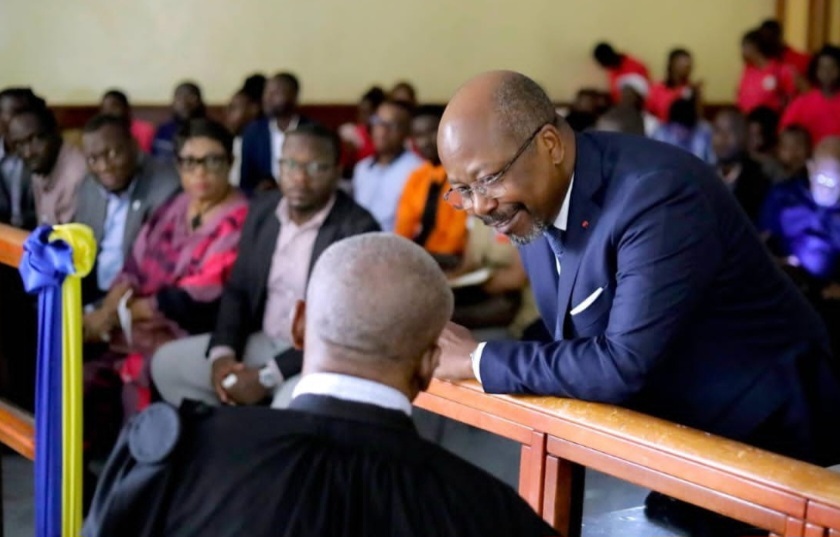
Gabon: Bilie By Nze remains in detention amid legal and political debates
Gabon: Bilie By Nze remains in detention amid legal and political debates
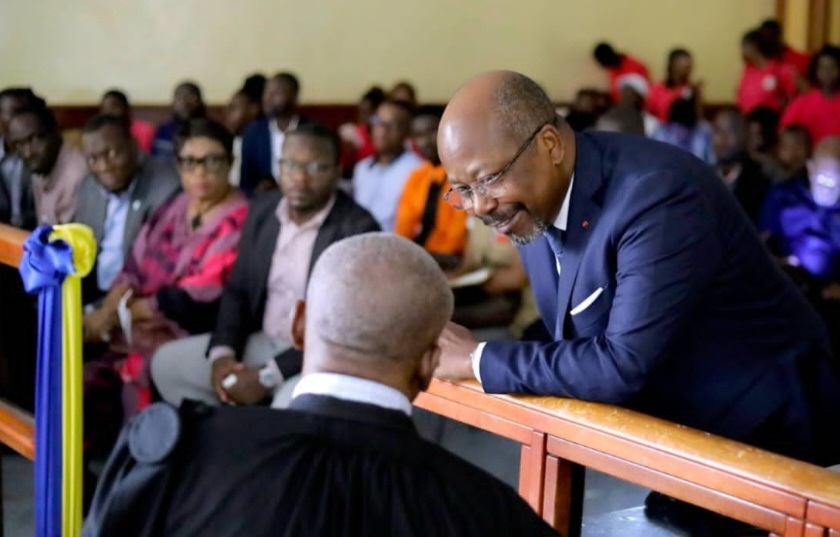
Libreville, June 3, 2026 — The decision to keep Alain-Claude Bilie By Nze, a former Prime Minister and prominent opposition leader, behind bars has intensified debates over judicial independence and fair trial guarantees in Gabon.
The Court of Appeal in Libreville has rejected the defense’s request to nullify proceedings, upholding his detention at the central prison since April 16, 2026. While the case appears to involve common law allegations, it has evolved into a broader institutional issue concerning the balance between justice, politics, and legal safeguards.
Contested proceedings and claims of statute of limitations
Bilie By Nze faces charges of embezzlement and fraud dating back to 2008. His legal team argues these alleged offenses should be considered time-barred as of 2018, rendering the prosecution legally unfounded. Beyond this, defense attorneys highlight procedural irregularities, including alleged flaws in the legal framework and inconsistent evidence that, they claim, do not justify prolonged detention.
One of his lawyers, Me Arthur Vercken, has emphasized that the arrest was followed by a 24-hour period without access to legal counsel, a violation that compounds concerns about due process and adherence to international human rights standards.
A politically charged judicial case
The legal saga unfolds against a tense political backdrop. Bilie By Nze, a former Prime Minister under Ali Bongo Ondimba and now a leading opposition figure against Brice Clotaire Oligui Nguema—who assumed office in 2025—has become a symbol of resistance. His detention has fueled accusations of arbitrary arrest and judicial manipulation, resonating strongly within opposition circles and parts of civil society.
During a public appearance, President Oligui Nguema distanced himself from the case, insisting it falls entirely under judicial authority. He underscored the principle of separation of powers, asserting no personal involvement and framing the matter as strictly judicial.
A test for judicial independence and institutional stability
The Court of Appeal’s decision to dismiss both the request for provisional release and the nullity plea places Gabon’s judiciary under scrutiny. The defense’s arguments centered on statutory limitations and procedural missteps have ignited wider discussions about transparency and rigor in high-profile cases.
Beyond questions of guilt or innocence, this case probes the integrity of institutions responsible for delivering justice. The perceived fairness of the judicial process has become pivotal to public trust, especially in a nation undergoing institutional restructuring.
The outcome of this case will weigh heavily on the delicate balance between accountability, fundamental rights, and political stability. It serves as a litmus test for the judiciary’s capacity to operate independently, free from political influence, and in full alignment with international standards.
Ultimately, the Bilie By Nze affair is not just about one individual—it reflects Gabon’s broader challenge in ensuring that justice is not only done, but seen to be done. The credibility of its institutions hinges on how this crisis is resolved.
