
Human rights violations in DRC: contrasting realities between Kinshasa and eastern provinces
- Society
Human rights in DRC: Two distinct realities emerge
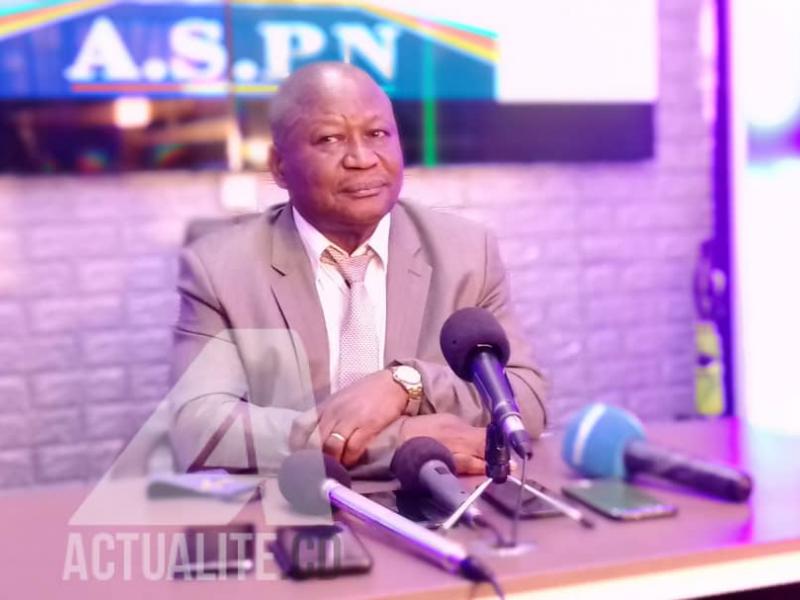
During a live debate on Tuesday hosted by journalist Stanis Bujakera Tshiamala, Paul Nsapu, Chair of the National Human Rights Commission (CNDH), presented a nuanced assessment of human rights under President Tshisekedi’s administration. While acknowledging legislative progress, he highlighted starkly different situations across the country.
The situation in Kinshasa
In provinces under the direct control of Kinshasa, Nsapu identified persistent violations of civil, political, economic, and social rights. He attributed these issues to systemic failures inherited from successive governments, which have failed to improve living conditions for ordinary citizens.
Key concerns included:
- Right to work – Chronic unemployment and exploitative labor conditions persist
- Right to health – Inadequate healthcare infrastructure and limited access to medical services
- Right to education – Insufficient investment in public education and high dropout rates
The crisis in eastern DRC
Nsapu described a far more severe crisis in the North Kivu, South Kivu, and parts of Ituri. He warned of systematic violations of fundamental rights, particularly:
- Right to life – Escalating violence and civilian casualties
- Right to security – Widespread insecurity due to armed group activities
- Freedom of movement – Restrictions on movement due to ongoing conflict
He specifically pointed to the presence of Rwandan military forces and their allied armed groups in areas beyond Kinshasa’s control as major aggravating factors. These groups, he argued, exacerbate the humanitarian crisis and undermine local governance.
International implications
Nsapu’s statements underscore the complexity of addressing human rights violations in a country with vast regional disparities. While progress in Kinshasa may reflect national policy improvements, the dire situation in the east demands urgent regional and international attention.
The CNDH’s findings call for a coordinated response to address both structural weaknesses in governance and the immediate security threats plaguing eastern DRC.