
Gabon and Mauritania drive African influence in Francophonie race
The future of the International Organisation of La Francophonie (OIF) is increasingly being shaped not in Paris or Montreal, but in African capitals like Nouakchott and Libreville. This shift reflects a growing demand among African nations to redefine the organisation’s priorities and governance.
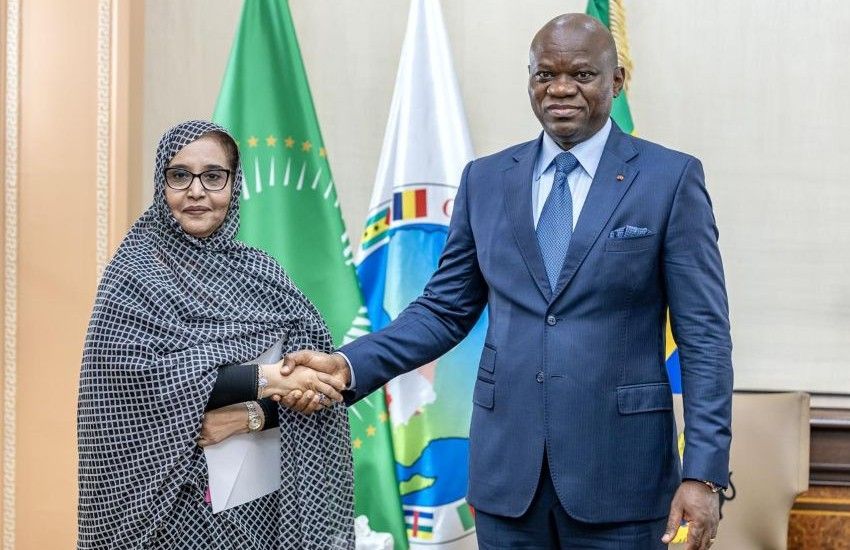
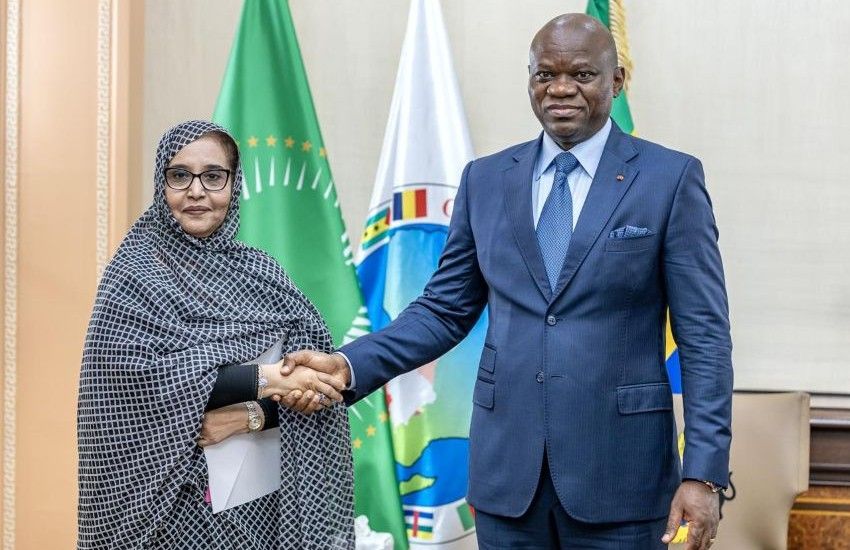
On Monday, Messouda Baham Mohamed Laghdaf, Mauritania’s Minister of Environment and Sustainable Development, arrived in Libreville bearing a personal message from President Mohamed Ould Cheikh El Ghazouani for Gabon’s leader, Brice Clotaire Oligui Nguema. Though framed as a diplomatic courtesy, the meeting carried deeper strategic significance.
A strategic move by Mauritania
During the talks, the Mauritanian envoy formally presented the candidacy of Dr. Koumba Ba for the position of OIF Secretary-General. This bid is built on three core pillars: coherence, balance, and tangible benefits for member states—addressing a critical question: what should the Francophonie’s role be in the 21st century?
Once seen primarily as a cultural and linguistic influence tool, the OIF now faces demands to tackle pressing issues such as digital transformation, youth education, economic development, food security, climate change, artificial intelligence, and technological sovereignty. Mauritania’s proposal signals a push for a Francophonie centred on real outcomes rather than symbolic gestures.
Gabon’s rising diplomatic profile
Mauritania’s initiative coincides with Gabon’s renewed diplomatic momentum under President Oligui Nguema. Since assuming office, he has positioned Libreville as a key player in regional dialogue and cooperation, enhancing Gabon’s influence in continental affairs.
The meeting underscored Gabon’s commitment to inclusive governance and consensus-building—values it now champions both regionally and internationally. Beyond the OIF question, the two nations explored avenues to strengthen bilateral ties in environmental sustainability, capacity building, and trade.
The African push for a new Francophonie
The stakes extend far beyond Gabon and Mauritania. Over 60% of French speakers now live in Africa, with projections suggesting this could rise to 85% by 2050. This demographic reality is transforming the balance of power within the Francophonie, prompting African states to demand greater representation and a shift in priorities.
Mauritania’s endorsement of Dr. Ba’s candidacy embodies this African-led vision—one that seeks a Francophonie aligned with the continent’s development needs, fostering economic growth, innovation, youth empowerment, and inter-state collaboration.
The meeting in Libreville was more than a diplomatic formality; it highlighted a quiet but decisive realignment of influence within the Francophonie. Mauritania’s move sends a clear message: the future of the organisation cannot be decided without African participation. Meanwhile, Gabon’s embrace of this initiative reaffirms its ambition to shape the continent’s evolving cooperative frameworks.
The question is no longer whether Africa should have a voice in the Francophonie, but which African vision will define its next chapter.