Electric vehicles gaining ground in ivory coast’s vtc sector
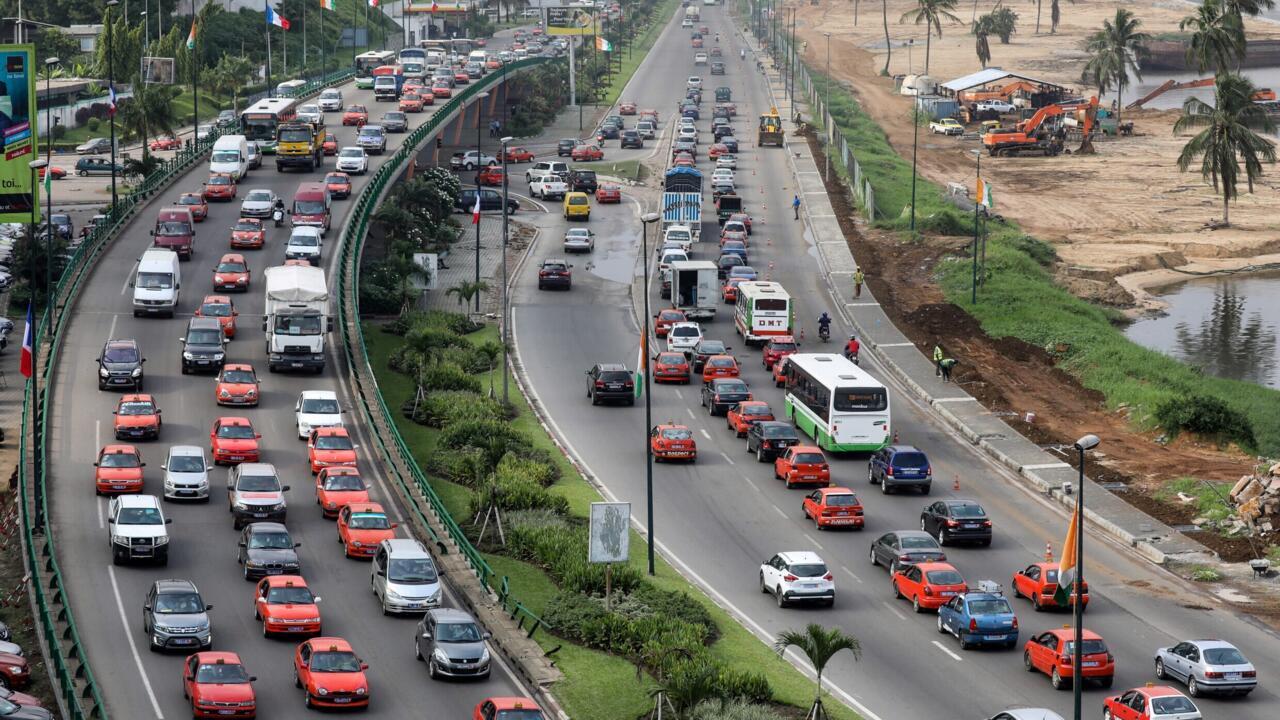
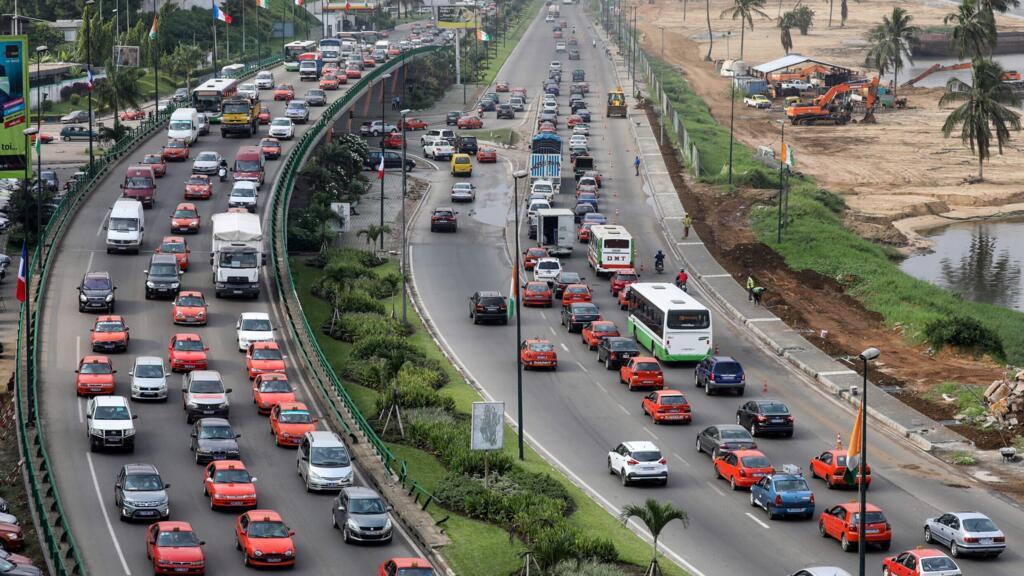
The electric vehicle revolution has quietly taken the streets of Abidjan. With over 1,000 electric cars now navigating the city’s roads, Côte d’Ivoire is witnessing a gradual shift in urban mobility. These silent, fuel-free vehicles have found a particularly strong foothold in the VTC (ride-hailing) sector, where operators are drawn by significantly lower operational costs compared to traditional combustion engines.
why drivers are switching to electric vehicles
Mouhamed Kanaté, a two-year VTC veteran, switched to electric driving two months ago. As a trained accountant, he approaches his new venture with both environmental awareness and financial pragmatism. His daily earnings of 28,000 FCFA go to his employer, but the savings on fuel are substantial: «A full recharge costs between 10,000 and 13,000 FCFA for electric vehicles, compared to at least 20,000 FCFA for traditional cars. This difference allows me to increase my profit margin while supporting my family’s needs.»
The three major VTC operators in Côte d’Ivoire have already integrated electric vehicles into their fleets, with nearly 300 currently serving Abidjan’s urban routes. However, this green mobility drive faces persistent challenges that threaten to slow its expansion.
key hurdles in electric vehicle adoption
high acquisition costs
The initial investment remains prohibitive for many drivers. Electric vehicles in Côte d’Ivoire cost upwards of 14 million FCFA, making them accessible primarily to established operators or investors rather than independent chauffeurs.
limited charging infrastructure
The country currently has fewer than 100 charging stations nationwide, concentrated mainly in Abidjan. This scarcity forces drivers to carefully plan their routes and recharge times, adding operational complexity.
import dependence and maintenance issues
Most electric vehicles are imported, leading to long wait times for spare parts and specialized repairs. «The biggest challenge isn’t just the lack of charging stations,» explains Kanaté, «but the scarcity of mechanical components. With limited local suppliers, maintenance becomes a logistical nightmare.»
industry response and government incentives
Local dealers like Sinoafrik, representing Chinese brands in Abidjan, have ramped up their electric vehicle offerings. After initial hesitation from customers wary of the technology, they’ve seen demand shift from curiosity to genuine interest. «We had to educate potential buyers about the long-term savings,» says Reine Trésor Gosset, a sales representative at Sinoafrik. «Now, we’re seeing real purchase intent, particularly for VTC models and small 25-seat vehicles.»
The Ivorian Ministry of Transport is actively supporting this transition through investment incentives. «Our investment code already includes multiple facilities to promote and facilitate investor installations,» explains Jean-Marc Atché, Director of Planning and Projects. «We’re currently supporting several initiatives, including a major assembly plant that will locally produce electric vehicles.»
The government is also leading by example. By 2030, it aims to convert 10% of all public administration vehicles to electric power, demonstrating its commitment to sustainable mobility.
