
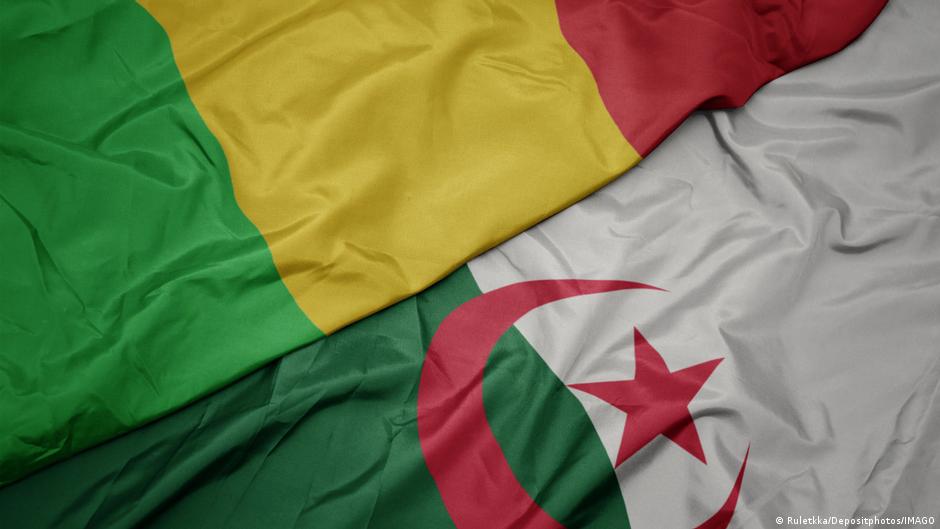
Diplomatic thaw between Bamako and Algiers sparks hope in the Sahel
Relations between Bamako and Algiers hit a low point in late March 2025 when a Malian drone was shot down near Tinzawatene, a border town straddling Mali and Algeria. The incident prompted Mali’s government to escalate tensions by accusing Algiers of “interference and alleged ties to terrorist groups.“
The dispute deepened in January 2024 when Mali’s transitional authorities scrapped the 2015 Algiers Peace and Reconciliation Agreement, opting instead for a military solution to reclaim the northern regions, particularly Kidal.
Bamako later accused Algeria of hosting former Kidal rebel leaders and Imam Mahmoud Dicko—a key figure in the ousting of former President Ibrahim Boubacar Keïta—who had fallen out of favor with Mali’s military leadership.
Decades-old bonds transcend politics
Boubacar Mahamane Maïga, coordinator of Une Voix pour Tombouctou, a civil society group in northern Mali, welcomes the thaw. He highlights that Mali and Algeria share more than just diplomatic ties—they have deep-rooted, fraternal connections.
“These are centuries-old, fraternal relations. Algeria remains an economic lifeline for Tombouctou. Historically, the trans-Saharan trade routes that sustained Tombouctou passed through Algeria. Even a local spice like Tawabel, an onion variety from Touat in Algeria, originates from the homeland of Cheikh Abdoul Kassim Attouaty, one of the 333 saints of Tombouctou.”
Security prospects hinge on cooperation
Political analyst Kaou Abdrahamane Diallo sees the warming ties as a chance to restore stability. “Mali cannot afford porous borders or instability in its northern regions. We hope Algeria and our other partners will embrace this thaw to rebuild the strong, peaceful relations we once shared,” he says.
Behind the scenes, Russian mediation played a pivotal role in facilitating this rapprochement. Moscow has emphasized the “importance of maintaining unity among allies to safeguard stability in the Sahel.”