
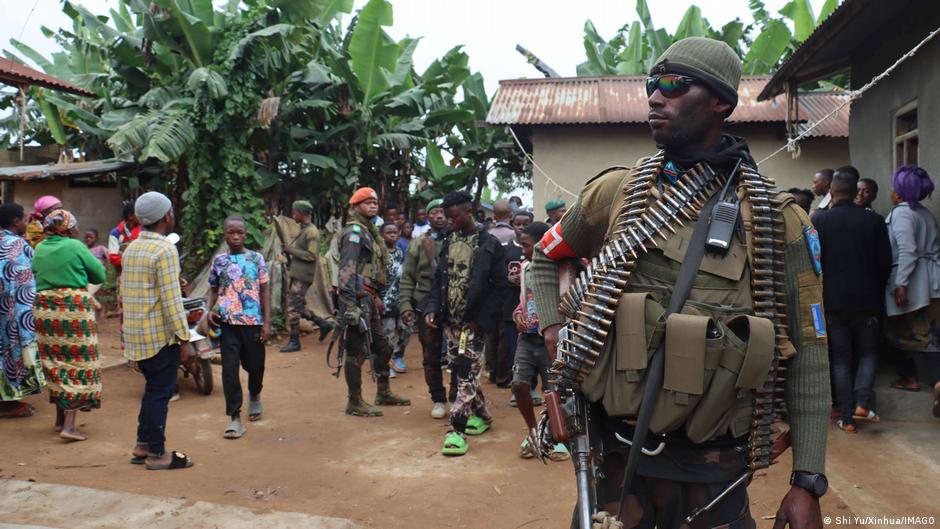
The Armed Forces of the Democratic Republic of Congo (FARDC) have rolled out a sweeping ban on military personnel using smartphones during operations, citing critical security risks. Authorities argue that unrestricted device usage has compromised multiple missions in the country’s volatile eastern regions, exposing troops to heightened dangers.
In the war-torn territories of South Kivu, particularly around Uvira and Fizi, soldiers have long relied on personal phones to maintain contact with families or document battlefield events. A mid-ranking officer, speaking on condition of anonymity, shared his perspective:
“I always carry my phone into combat zones—not just to stay in touch with my loved ones, but because the battlefield is a matter of life and death. My family deserves to know I’m still alive. While I understand the risks, we must follow orders. Still, I hope this ban isn’t accompanied by reckless tactical retreats that undermine our efforts.”
Why the ban matters
The FARDC’s interim spokesperson, Lieutenant-Colonel Mak Hazukay, emphasized that even routine phone activity could inadvertently reveal troop positions, movements, or operational details to enemy forces. His warning highlights a growing concern: smartphones, when misused, can become tools of infiltration or targeted strikes.
Kelvin Bwija, a civil society coordinator in Uvira, welcomed the measure, pointing to cases where soldiers allegedly shared sensitive information with hostile groups. “This decision sends a strong message,” he noted. “Some within the FARDC have abused communication devices to coordinate with enemies of the state. We fully support this move.”
Balancing duty and necessity
Human rights lawyer Aimé Bisimwa acknowledged smartphones as essential for daily life but stressed that military personnel must prioritize national security. “Serving under the flag means accepting limits,” he stated. “Soldiers worldwide are trained to conceal their positions. No circumstance excuses endangering the mission.”
Meanwhile, clashes persist in South Kivu’s highlands, where the M23–Twirwaneho coalition, reportedly backed by Rwanda, faces off against FARDC-Wazalendo forces supported by Burundi. In this volatile landscape, the smartphone ban reflects a desperate bid to plug intelligence leaks and protect soldiers’ lives.