

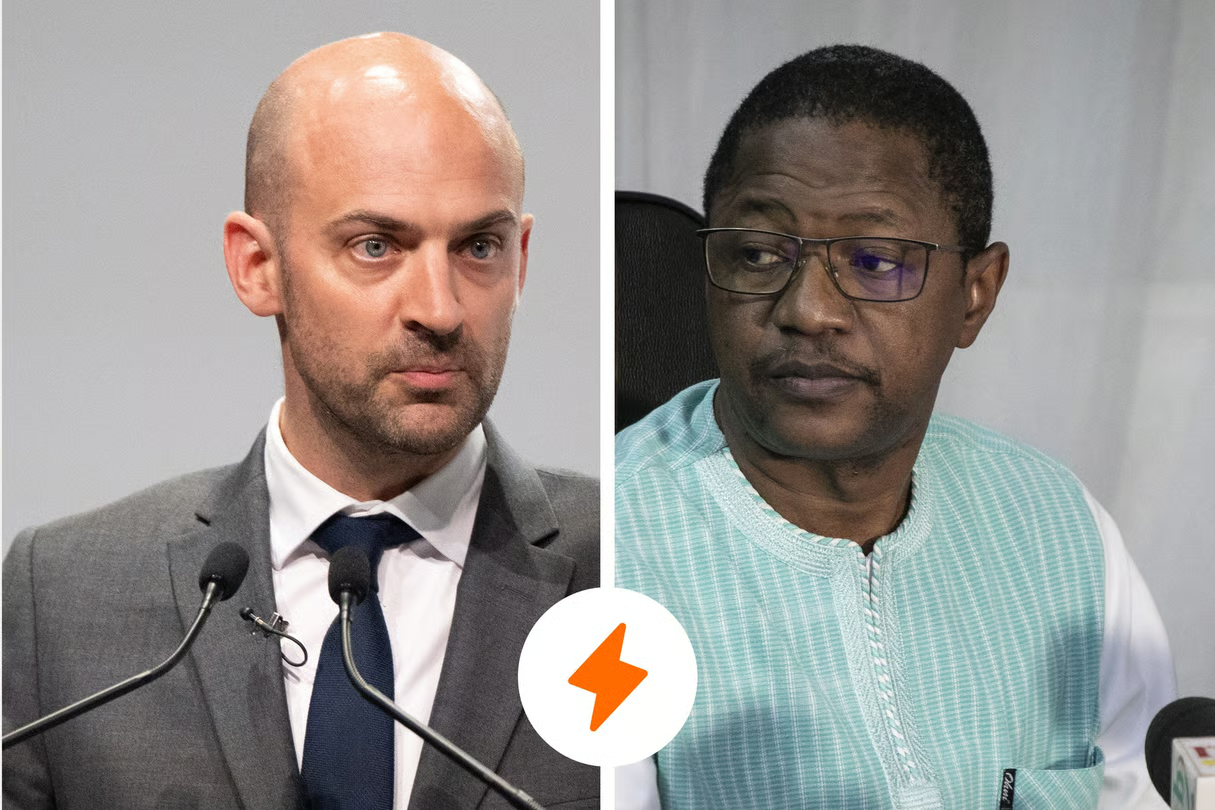
Tense diplomatic showdown sets new course for Sahel relations
The latest chapter in the ongoing tug-of-war between Burkina Faso and France unfolded during a critical ministerial exchange in Ouagadougou. At the heart of the confrontation stood two key figures: Burkina Faso’s Foreign Minister Karamoko Jean-Marie Traoré and his French counterpart Jean-Noël Barrot. Their heated exchange marked a pivotal moment in a relationship strained by shifting geopolitical sands across the Sahel.
As diplomatic protocols clashed with nationalistic posturing, observers noted that the meeting had far-reaching implications beyond mere bilateral tensions. The outcome of these negotiations could redefine the power dynamics in a region already grappling with security challenges and shifting alliances.
Key issues fueling the dispute
- Military cooperation terms: Long-standing defense agreements have come under scrutiny as Burkina Faso seeks to renegotiate terms that align with its evolving security priorities.
- Economic partnership realignment: Trade imbalances and development funding have become flashpoints in discussions about future collaboration.
- Regional alliance preferences: Burkina Faso’s pivot toward new strategic partners has raised eyebrows in Paris, particularly regarding engagements with non-Western nations.
- Sovereignty concerns: Recent policy shifts in Ouagadougou have underscored demands for greater autonomy in decision-making, directly challenging traditional French influence in the region.
Implications for Sahel stability
The diplomatic rupture between Burkina Faso and France extends beyond bilateral relations, sending ripples through the Alliance of Sahel States. This coalition, formed to address shared security threats, now faces internal divisions that could undermine its cohesion. Analysts warn that unchecked tensions may embolden extremist groups operating across porous borders.
The meeting’s conclusion left many questions unanswered. While both sides issued cautious statements about continued dialogue, the underlying grievances remain unresolved. Burkina Faso’s leadership has made it clear that its foreign policy will be dictated by national interests rather than historical obligations.
What comes next?
With regional stakeholders closely monitoring the fallout, the next phase of negotiations will be crucial. Burkina Faso’s recent engagements with alternative partners suggest a deliberate strategy to diversify its diplomatic portfolio. Meanwhile, France faces a delicate balancing act—maintaining influence while respecting the sovereignty of its former colonies.
The outcome of these deliberations will shape the future of Franco-Burkina Faso relations and, by extension, the broader security landscape of West Africa. As both nations recalibrate their strategies, the rest of the Sahel watches closely, aware that the decisions made in Ouagadougou and Paris could redefine regional dynamics for years to come.