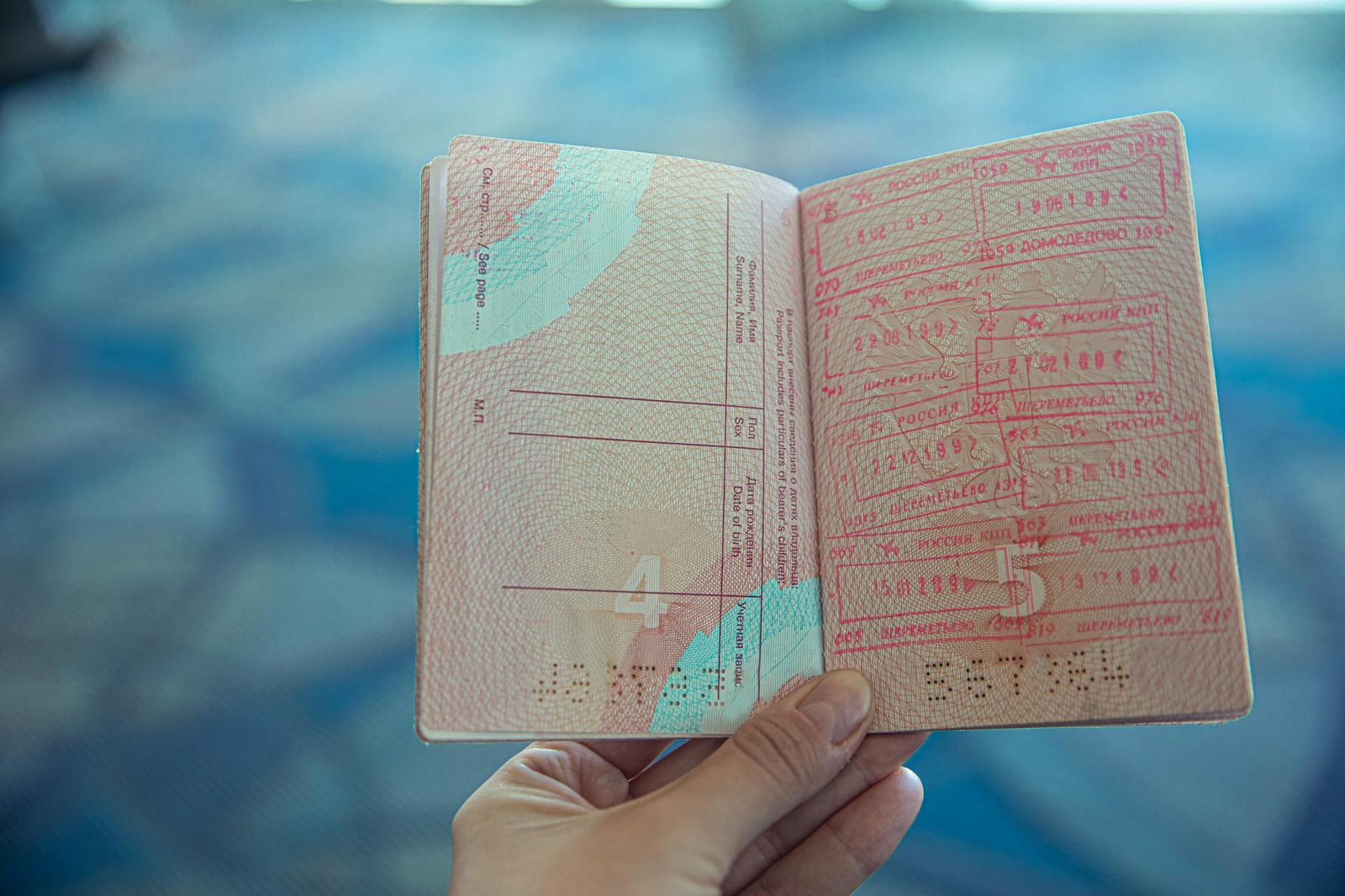
Dakar cracks down on fake visa approval letters ring with chinese suspect held
The Dakar Urban Security unit has dismantled a sophisticated operation producing counterfeit visa approval letters—a critical document required by some foreign embassies before issuing visas. A suspect, described by investigators as a key figure in a Chinese-linked smuggling network, was apprehended following a weeks-long surveillance operation in Senegal’s capital.
Inside the fake visa approval letter operation in Dakar
Investigations revealed a well-organized scheme where fraudulent approval letters—normally issued by consular authorities to validate visa applications—were mass-produced and distributed. These documents, when legitimate, streamline the visa issuance process for applicants seeking entry into target countries. The arrest marks a significant step in disrupting a network that had been operating across multiple jurisdictions.
Law enforcement is now focused on tracing the masterminds and end beneficiaries of the scheme. Evidence suggests possible transnational connections, with intermediaries potentially operating beyond Senegal’s borders. The case underscores the persistent challenge of combating document fraud in West Africa.
Why Senegal remains a hotspot for document trafficking
Dakar has long served as a major migration and consular hub in West Africa. Its strategic location, coupled with frequent air links to Europe, Asia, and the Middle East, makes it both a gateway for legal travelers and a target for illegal migration networks. In recent years, Senegalese authorities have intensified efforts to dismantle fraud rings producing counterfeit passports, visas, and civil status documents.
The Directorate of Foreigners and Travel Documents Police (DPETV) and the Urban Security unit work closely on such cases. Traffickers—whether from China, Africa, or the Middle East—are increasingly using advanced printing techniques, sometimes with insider help from government agencies or private contractors. This technological sophistication makes detection far more difficult for both consular offices and law enforcement.
Fake visas threaten consular trust and bilateral relations
Beyond the legal implications, this case highlights the risks posed to the integrity of consular document chains. Destination countries—including those in Europe, Asia, and the Gulf—are tightening scrutiny over the authenticity of supporting documents submitted with visa applications. Each fraud scandal not only damages Senegal’s administrative credibility but can also lead to stricter vetting procedures, affecting genuine applicants.
The involvement of a Chinese-linked network, as noted by investigators, reflects the growing economic ties between Asian communities and Dakar’s business landscape. While Senegal welcomes foreign investment and trade, it remains vigilant against criminal activities that may tarnish the nation’s reputation. If the investigation uncovers cross-border links, bilateral judicial cooperation may be pursued to bring all perpetrators to justice.
The detained suspect is expected to appear before the Dakar prosecutor’s office after completing a mandatory detention period. Charges likely include conspiracy, forgery of public documents, and facilitation of illegal immigration. Further inquiries will determine the full scale of the network and the number of forged documents circulated in the black market. The investigation is ongoing to expose all links in this illicit chain.
Related insights
