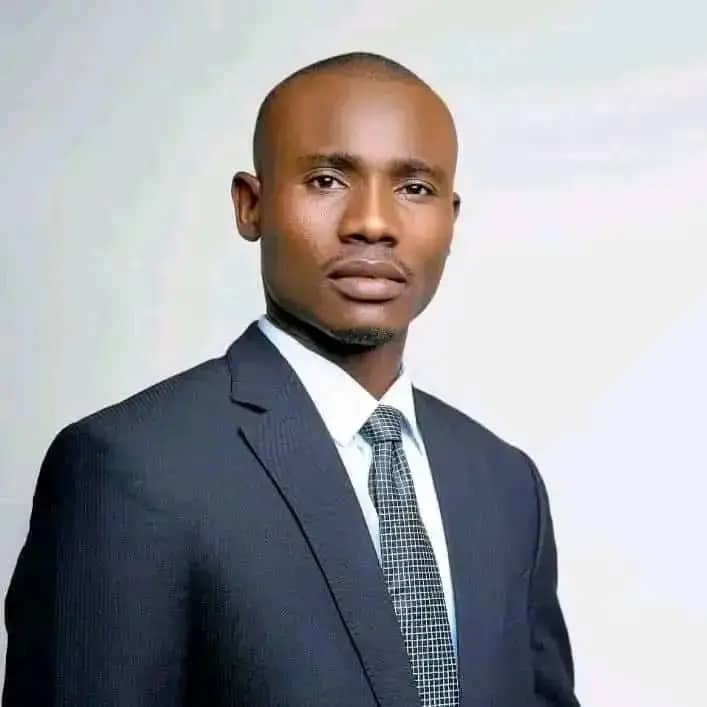
Chad opposition under pressure but still fighting say expert
The political landscape in Chad has been rocked by recent events. The Supreme Court’s decision to dissolve the GCAP coalition and the subsequent eight-year prison sentences handed down to its eight top leaders have left what remains of the organized opposition reeling. Political scientist Abouna Alhadj argues that this judicial crackdown represents just the tip of the iceberg in a broader crisis: the opposition’s struggle to reinvent itself and unite against a regime that has firmly established its own agenda.
a weakened but not defeated opposition
«The immediate consequence is the weakening of what little opposition remained», declares Abouna Alhadj without hesitation. He points out that as soon as the GCAP leaders were arrested, they accepted the court’s dissolution order and abandoned plans for protests. This reaction raises questions about both organizational shortcomings and potential strategic motives. «Did the GCAP intend to expose the system and reveal its true nature?», he wonders.
was it a calculated move?
According to the political scientist, the GCAP’s return to prominence after a long silence, followed by an immediately suppressed protest announcement, may have been an attempt to expose the regime’s true character. «If this was a strategy, we must now assess its effectiveness», he cautions.
the opposition’s deep fragmentation
Beyond this immediate setback, Abouna Alhadj diagnoses a profound fragmentation within the opposition. «The opposition cannot agree on fundamental issues», he observes. The arrest of GCAP leaders elicited minimal support from other political parties, highlighting the lack of cohesion.
The political scientist explains that the government has successfully imposed its priorities—security, social cohesion, and national unity—onto the political discourse. «If your actions don’t align with these priorities, you will be crushed. And it seems this approach has gained widespread acceptance», he states. Some opposition factions, by aligning with this narrative, have gradually distanced themselves from more radical currents.
who will take the lead?
When asked about potential successors to the GCAP’s leadership, Abouna Alhadj remains cautious. He mentions the Reformist Party and other formations still attempting to maintain a political presence, but emphasizes that the challenge extends beyond individual figures.
«These remnants of the opposition will only endure if they manage to reorganize», he asserts. He believes the emergence of a new generation of leaders is inevitable. Quoting Michel de Certeau, he adds, «When all doors are closed, a window always appears».
the role of the international community
The political scientist calls on the dynamic Tchadian diaspora to intensify advocacy efforts with international institutions. He also urges Chad’s partners to take action. «The UN, African Union, and international partners must urgently address the situation in Chad. In the 21st century, we cannot tolerate arrests and convictions without guarantees of fair trials», he insists.
