Burkina Faso: public administration ordered to use ‘comrade’ title
The Burkina Faso government has implemented a significant ideological shift by mandating all public administrations to adopt the term ‘comrade’ when addressing citizens and service users since June 1.
Semantic and ideological transformation
The transition from traditional salutations such as ‘Monsieur’ and ‘Madame’ to ‘comrade’ represents more than a mere linguistic adjustment. Authorities assert that this directive aims to foster absolute equality between the State and its people while strengthening national cohesion amid severe security challenges.
Core objectives of the measure
- Eliminating hierarchies: Removing protocol barriers between civil servants and the public to foster closer administrative relationships.
- Reinforcing national unity: Cultivating a strong, egalitarian collective identity deemed essential to address the country’s existential threats.
- Asserting sovereignty: Rejecting Western politeness conventions perceived as remnants of bourgeois or colonial culture.
Revival of Sankarist legacy
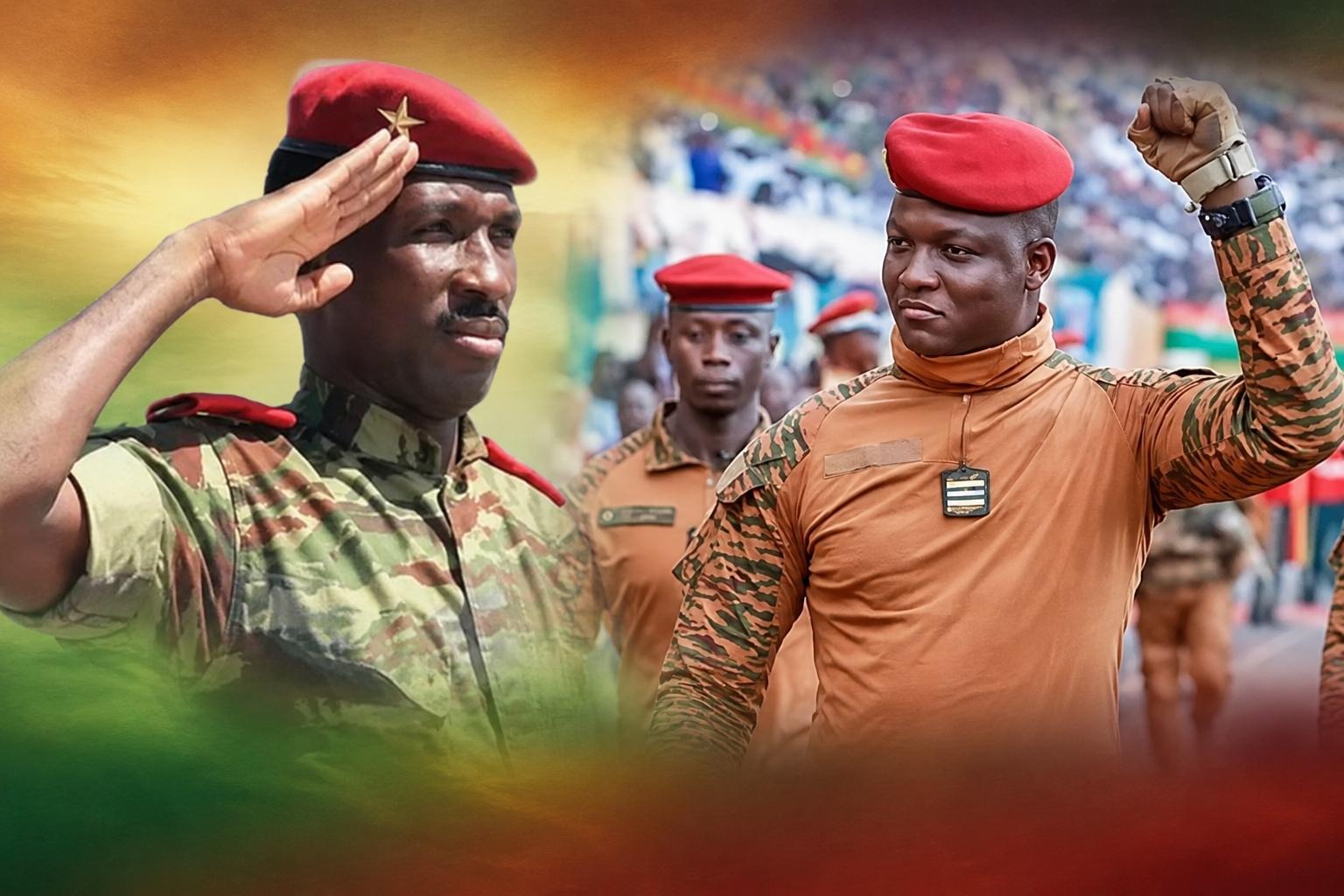
Political analysts note that this decision echoes the Democratic and Popular Revolution (RDP) led by Captain Thomas Sankara between 1983 and 1987, during which ‘comrade’ was the cornerstone of revolutionary rhetoric.
By reviving this terminology, the current administration seeks to harness the historical and popular legitimacy of Sankara, a figure whose influence remains profound among Burkina Faso’s youth.
Broader ideological reforms
This linguistic shift aligns with other transformative measures, including revisions to the transition charter, rigorous promotion of endogenous development initiatives, and a reconfiguration of regional and international alliances.
Mixed societal reception
Public reactions to the directive vary across the country:
Support from regime allies
Supporters of the transitional government hail the measure as a patriotic and historic step. They argue it places citizens at the heart of public action, dismantles elitism, and fosters a vital sense of solidarity amid crisis.
Skepticism from critics and opposition
Detractors view the focus on ideological symbols as misplaced. They contend that the State’s priorities should remain firmly fixed on territorial security, supporting internally displaced populations, and combating terrorism.
Operational challenges for civil servants
Public sector employees face immediate managerial and cultural challenges as they adapt to the new directive. This includes revising official correspondence, forms, and in-person and telephone reception protocols.
As Burkina Faso grapples with pressing security and humanitarian crises, the transitional government is wagering that language can serve as a powerful tool for mass mobilization. Whether this symbolic shift will sustainably reinforce the national unity sought by Ouagadougou remains to be seen.
