
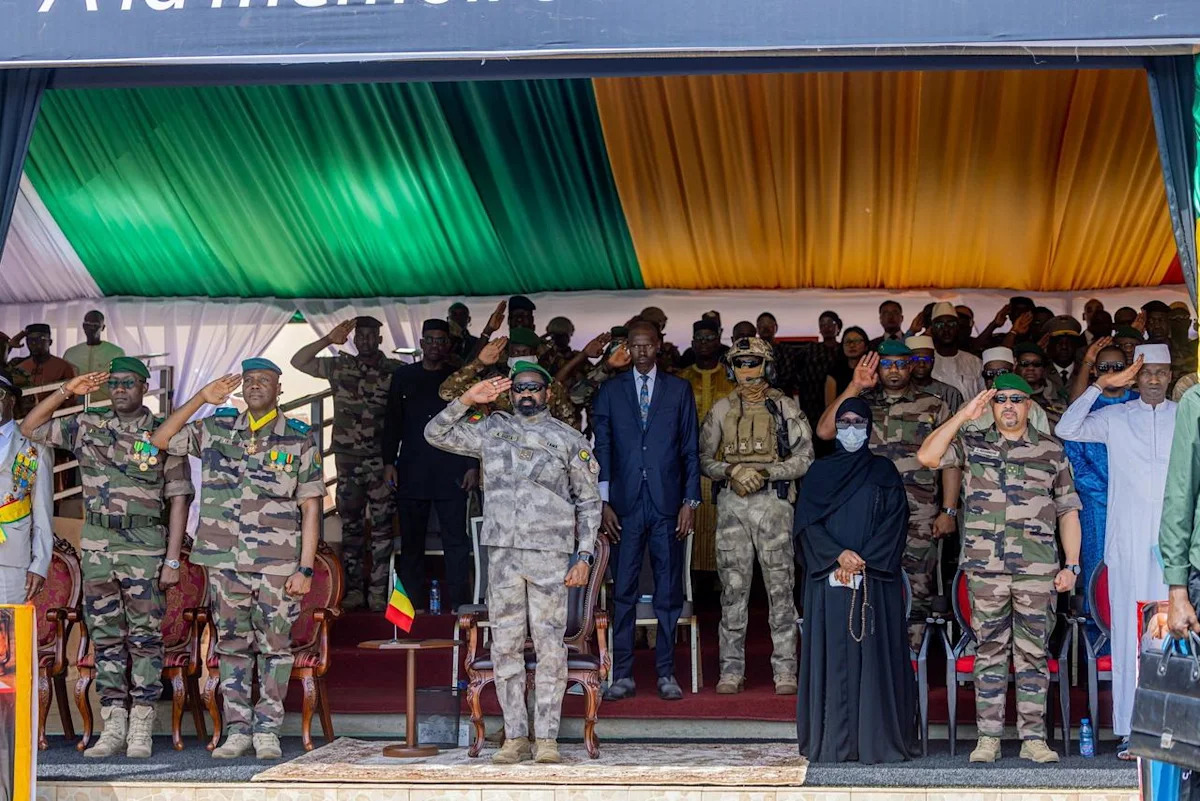
Mali-Algeria diplomatic thaw accelerates amid northern crisis
Just five months after Bamako dismissed reports of its ambassador’s imminent return to Algiers as “sheer fabrication,” the decision became official. On July 10, Mali’s transitional government announced the restoration of diplomatic ties with Algeria, reversing its previous stance. This rapid shift reflects the deteriorating security situation in northern Mali, where rebel forces have intensified pressure on the capital.
In February, Malian authorities had forcefully denied rumors suggesting a rapprochement with Algiers. Officials labeled reports of an ambassador’s return as “completely false and baseless,” accusing unnamed actors of attempting to destabilize regional relations. The denial underscored Bamako’s reluctance to align with Niger, which had already restored ties with Algeria weeks earlier.
By July, the calculus had changed. Mali’s government issued Communiqué No. 2026-003, confirming the return of its ambassador to Algiers and the reopening of its airspace to Algerian civilian and military flights. Algeria reciprocated the same day by restoring its ambassador to Bamako, marking the end of over a year of diplomatic freeze.
Northern Mali’s shifting power dynamics
The catalyst for this diplomatic thaw lies in the volatile north. Since the coordinated rebel offensive on April 25, 2026, the security landscape has shifted dramatically. The Tuareg-dominated Azawad Liberation Front (FLA) and the Group for the Support of Islam and Muslims (JNIM), an Al-Qaeda affiliate, have set aside their rivalry to challenge the Malian junta and its Russian-backed Africa Corps allies. The offensive claimed the life of Mali’s Defense Minister, Sadio Camara, and reclaimed key northern cities like Kidal, deepening the crisis.