
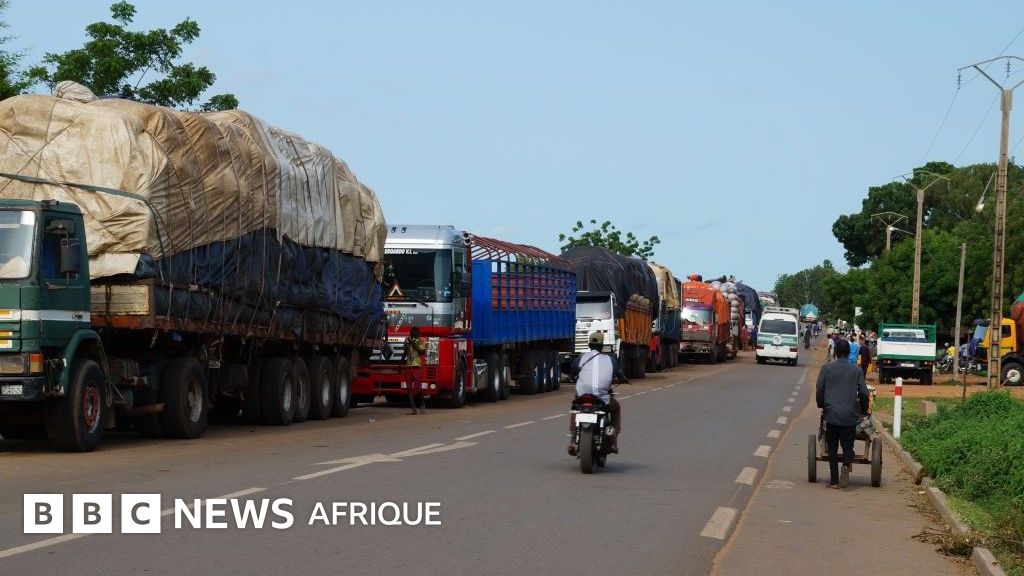
After years of strained relations that shuttered their shared border, Niger and Benin have now entered a decisive phase in talks aimed at restoring cross-border movement. High-level delegations from both nations recently concluded two days of intensive negotiations in Cotonou, signaling a potential thaw in one of West Africa’s most critical diplomatic standoffs.
The meetings, held over the weekend, focused on resolving long-standing disputes that had led to the closure of the Benin-Niger border in mid-2023. Both sides have now reached preliminary agreements on key issues including enhanced security cooperation, simplified transit procedures, and adjustments to cross-border trade regulations.
Key agreements reached in border negotiations
A Nigerian delegation led by General Mohamed Toumba, Minister of Interior, Public Security and Territorial Administration, engaged in constructive discussions with Beninese counterparts throughout the weekend. The working sessions resulted in several landmark commitments:
- Security collaboration: Both nations will intensify joint patrols and intelligence sharing to combat cross-border criminal networks and terrorist threats
- Trade facilitation: Elimination of transit fees for essential goods and streamlined customs procedures to accelerate border crossings
- Legal harmonization: Establishment of a joint committee to resolve outstanding commercial disputes and harmonize trade regulations
- Humanitarian corridors: Creation of designated routes for emergency supplies and medical evacuations
General Toumba emphasized the importance of these developments, stating that the talks had “locked in security priorities while laying the groundwork for economic normalization and legal reconciliation.” He highlighted that dialogue presents “an opportunity to create value for our economies, security for our populations and hope for our youth.”
President Wadagni’s decisive role in diplomatic thaw
The recent breakthrough follows a strategic shift in Benin’s leadership approach. President Romuald Wadagni, who took office in April, made Niger his first international destination in early June. The presidential visit marked a deliberate effort to reset bilateral relations that had deteriorated since the 2023 coup in Niamey.
“After just one week in office, I chose to visit Niamey to demonstrate our commitment to regional stability,” Wadagni stated. The visit resulted in a joint communiqué outlining a roadmap for cooperation, including the establishment of a joint commission to investigate the circumstances surrounding the border closure.
Benin’s Minister of Industry and Trade, Oleshegun Adjadi Bakari, described the negotiations as having “restored a climate of confidence” between the two nations. “After 48 hours together, we now form one delegation with one shared objective: to rekindle the age-old bond between our peoples,” he remarked.

Understanding the origins of a three-year dispute
The current rapprochement comes after a prolonged period of tension that began with the July 2023 coup in Niger, which brought General Abdourahmane Tiani to power. The military government accused Benin’s former administration of plotting with ECOWAS to restore constitutional order through military intervention – allegations that Cotonou and Paris consistently denied.
Additional friction points included:
- Accusations that Benin harbored French troops preparing to invade Niger
- Benin’s participation in ECOWAS sanctions against Niger following the coup
- Allegations of Beninese support for Nigerien armed groups and coup plotters
- Security concerns regarding failed coup attempts in Benin
These mutual accusations escalated into a complete border shutdown, effectively severing one of West Africa’s most vital trade arteries.

Economic fallout from the prolonged border closure
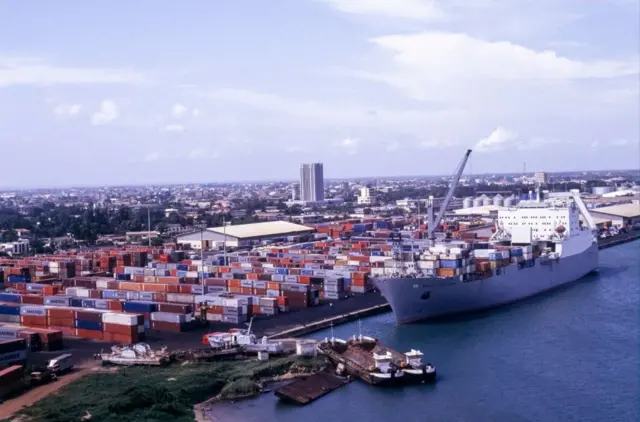
The extended border shutdown has inflicted severe economic damage on both nations. Niger, a landlocked country, relies heavily on Benin’s Port of Cotonou for 90% of its international trade. The closure disrupted supply chains, drove up transportation costs, and forced many businesses to shut down.
Key economic consequences included:
- Severe reduction in port activity at Cotonou, particularly for petroleum products transported via the 2,000km pipeline from Niger
- Niger’s shift to alternative routes through Togo’s Port of Lomé, adding 500km to transport distances and increasing costs
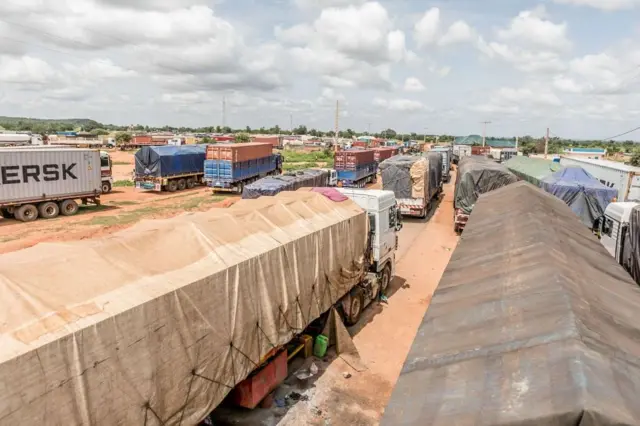
- Massive queues of stranded trucks at the Malanville border crossing, with goods spoiling in the heat
- Collapse of commercial activities in border communities that depended on cross-border trade
- Severe shortages of essential goods including food staples and fuel
“This isn’t just about politics – it’s about people’s livelihoods,” explained Ibrahim Abou Koura, a Nigerien transporter based in Cotonou. “My once-bustling warehouse that handled goods bound for Nigerien cities now stands nearly empty.”
The crisis has also strained regional economic integration, with the Niger-Benin corridor previously considered one of West Africa’s most efficient trade routes due to its safety and cost-effectiveness.
With final agreements now pending approval from both governments, the stage is set for what could be a historic restoration of relations. The potential reopening of the border promises to revitalize trade, strengthen regional security cooperation, and restore much-needed economic stability to millions of people on both sides of the frontier.