Senegal’s debt talks with IMF: key takeaways from recent negotiations

The International Monetary Fund (IMF) concluded a critical review of Senegal’s economic strategy last month, focusing on the nation’s escalating debt burden and fiscal reforms. This mission marked a pivotal moment in the country’s efforts to secure financial stability amid rising public debt concerns.
Why Senegal’s debt situation demands urgent attention
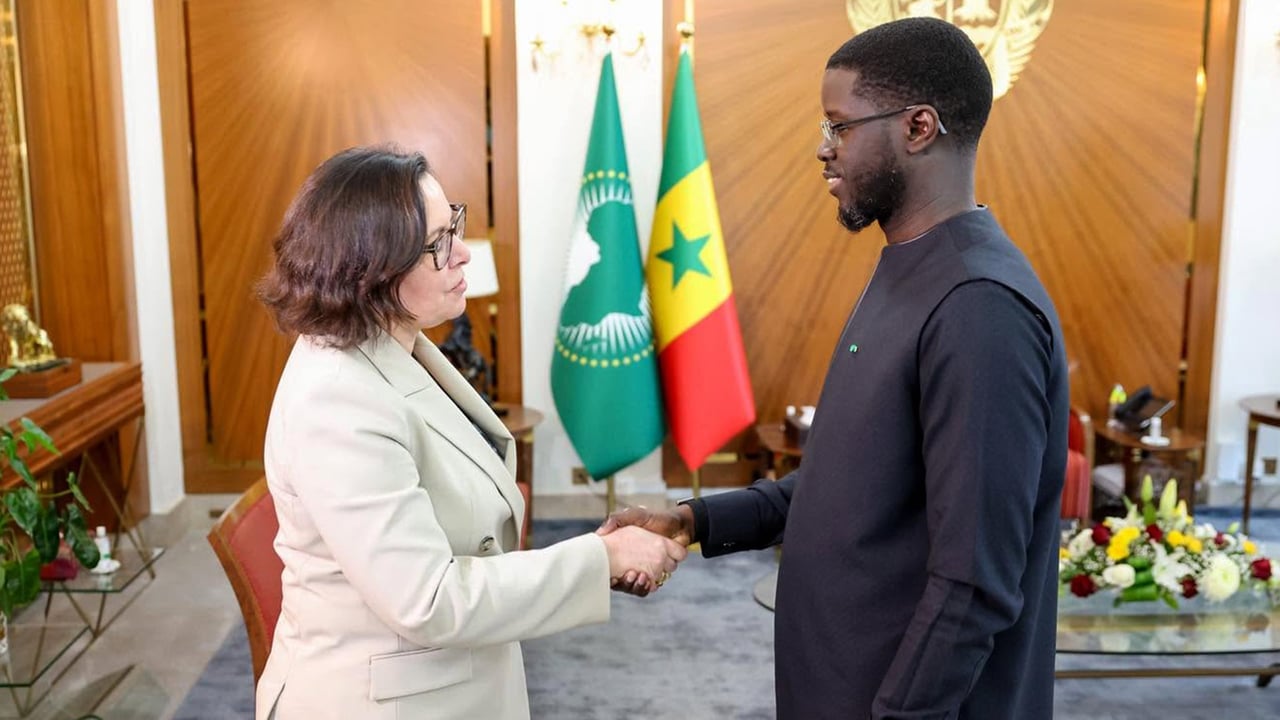
Senegal’s public debt has surged in recent years, driven by infrastructure investments and external economic pressures. The IMF’s delegation, led by Mercedes Vera Martin, engaged in high-level discussions with President Bassirou Diomaye Faye to address these challenges. The talks centered on transparency in debt management and sustainable fiscal policies to restore investor confidence.
Key outcomes from the IMF’s latest assessment
The IMF’s findings highlighted several critical areas:
- Debt restructuring: Proposals for renegotiating terms with creditors to ease repayment burdens.
- Revenue mobilization: Strategies to enhance tax collection and reduce reliance on external borrowing.
- Government spending reforms: Measures to prioritize essential services while curbing non-essential expenditures.
- Transparency initiatives: Commitments to disclose all public debt obligations, including previously undisclosed liabilities.
President Faye’s role in navigating the crisis
President Bassirou Diomaye Faye has been at the forefront of Senegal’s debt management strategy. His administration has pledged to implement bold reforms, including stricter oversight of public finances and collaboration with international partners like the IMF. The president emphasized the need for responsible borrowing and accountable governance to prevent future debt crises.
What’s next for Senegal’s economy?
The IMF’s mission concluded with cautious optimism, but warned that sustained progress depends on consistent policy execution. Senegal must balance economic growth with fiscal responsibility to avoid further credit rating downgrades. Analysts suggest that successful reforms could unlock new financing opportunities, while failure may lead to tighter borrowing conditions.
As Dakar navigates these economic headwinds, the world watches closely. The decisions made in the coming months will shape Senegal’s financial future and its role in West Africa’s evolving economic landscape.
