
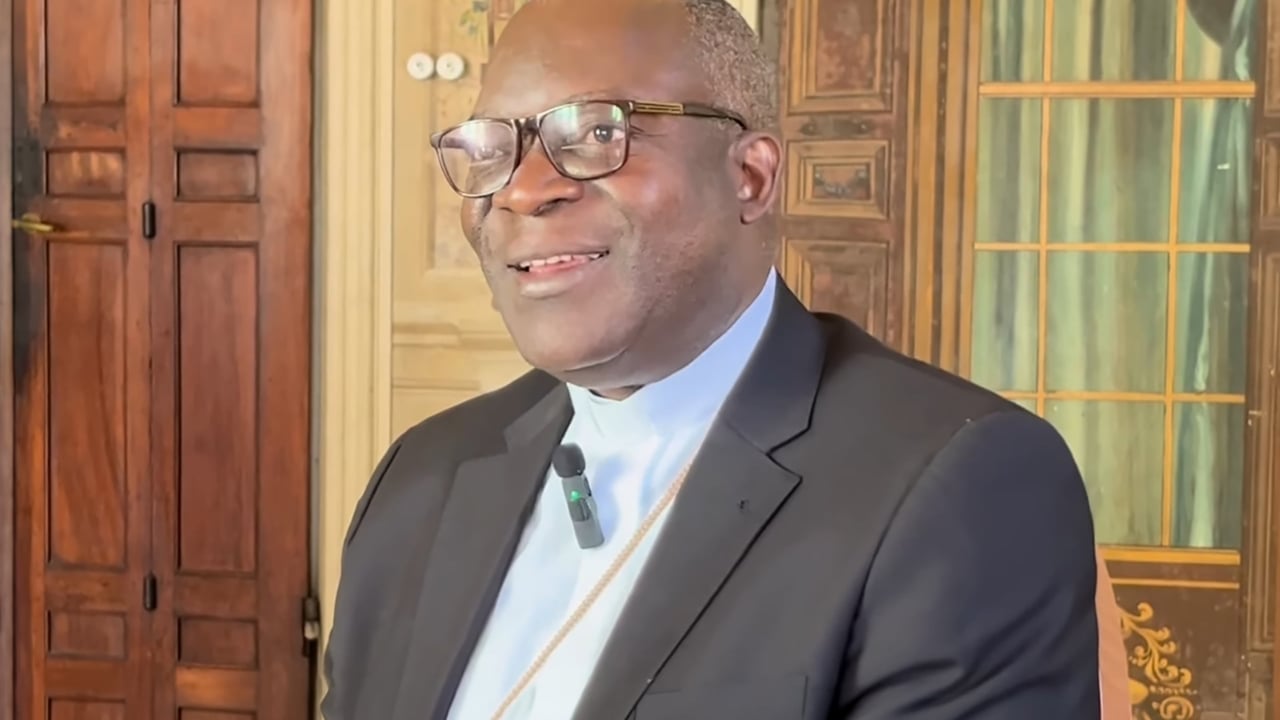
The head of the National Episcopal Conference of Congo (Cenco), Mgr Fulgence Muteba, has sharply criticized the proposed constitutional referendum, calling it untimely given the nation’s current security crisis. In a candid assessment, he emphasized that holding such a vote during active conflict would only deepen divisions rather than foster national unity.
why the referendum faces fierce opposition
The Democratic Republic of Congo finds itself at a crossroads as political leaders push for constitutional changes through a referendum. However, Mgr Fulgence Muteba, a prominent voice in the country’s religious community, has emerged as a vocal opponent. His concerns are rooted in the timing of the vote, which coincides with escalating violence in the eastern regions. He argues that national priorities should shift toward restoring peace before any constitutional reforms are considered.
The proposed referendum aims to alter key provisions in the constitution, including term limits and power-sharing agreements. Critics, including Mgr Muteba, warn that such changes could destabilize the fragile political balance and further marginalize opposition voices. The Cenco leader insists that the current environment is too volatile for a vote that could reshape the nation’s governance framework.
a call for dialogue over divisive reforms
During a recent public statement, Mgr Muteba urged political leaders to prioritize inclusive dialogue over rushed constitutional amendments. He emphasized that the referendum risks exacerbating existing tensions between rival factions, particularly in regions plagued by armed conflict. The Cenco has long advocated for peaceful solutions, positioning itself as a mediator in national crises.
“The timing of this referendum is deeply concerning,” Mgr Muteba stated. “A nation at war cannot afford to divide its attention between conflict resolution and constitutional tinkering. We must first address the immediate threats to our citizens’ safety.” His remarks reflect growing unease among civil society groups, who fear the referendum could deepen political fractures.
the role of the Cenco in Congo’s political landscape
The National Episcopal Conference of Congo (Cenco) has historically played a crucial role in mediating political disputes and advocating for democratic reforms. As the country’s largest religious organization, its stance on the referendum carries significant weight. Mgr Muteba’s position underscores the Cenco’s commitment to stability and its skepticism toward sudden constitutional changes during times of crisis.
Opposition figures, including former President Joseph Kabila and current leader Félix Tshisekedi, have also expressed reservations about the referendum’s timing. While their motivations may differ, their shared concern highlights a rare moment of consensus on the need to avoid further destabilization. The Cenco’s opposition adds moral and ethical weight to these concerns, reinforcing the argument that the referendum is a step in the wrong direction.
what’s next for Congo’s political future?
As debates intensify, the government faces mounting pressure to reconsider the referendum’s timeline. The Cenco’s stance may embolden other civil society groups to voice their opposition, creating a potential roadblock for the proposed vote. Meanwhile, international observers are closely monitoring the situation, wary of any moves that could plunge the country deeper into chaos.
The coming weeks will be critical in determining whether the referendum proceeds as planned or if calls for delay and dialogue prevail. For now, Mgr Muteba and the Cenco remain steadfast in their belief that peace must come before politics.