Ahmed Cissé gains majority stake in Côte d’Ivoire’s BICICI bank
Major shift in Côte d’Ivoire’s banking sector
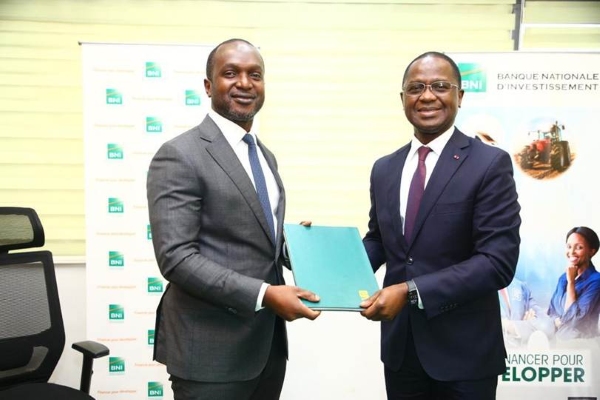
The restructuring of the Banque internationale pour le commerce et l’industrie de Côte d’Ivoire (BICICI) reaches another milestone as Ahmed Cissé consolidates his position as the largest shareholder. Three years after BNP Paribas exited the Ivorian market and local investors took control, the Banque nationale d’investissement (BNI) finalized an agreement on July 13 to divest its entire 21.09% stake in the bank.
The buyer, Brandon & Mcain Capital—led by business leader Ahmed Cissé, who also serves as president of Côte d’Ivoire’s private sector federation (CGECI)—now holds a controlling interest. Pending approval from the UMOA Banking Commission, Cissé’s ownership will surge from 19.11% to 40.2%, effectively making him the bank’s majority stakeholder.
Implications for Côte d’Ivoire’s financial landscape
This strategic move reshapes the governance and future direction of BICICI, one of the country’s most influential financial institutions. With the withdrawal of foreign investors like BNP Paribas, local business figures are increasingly shaping the sector’s evolution. Ahmed Cissé’s expanded role underscores a broader trend of Ivorian entrepreneurs taking the reins in key economic sectors.
The pending regulatory approval from the UMOA Banking Commission is a critical step before the transaction is finalized. Once confirmed, this deal will solidify Cissé’s influence in Côte d’Ivoire’s banking industry, potentially influencing lending policies, investment priorities, and economic partnerships in the region.
