Pressure mounts on Senegal football federation after lions’ world cup exit
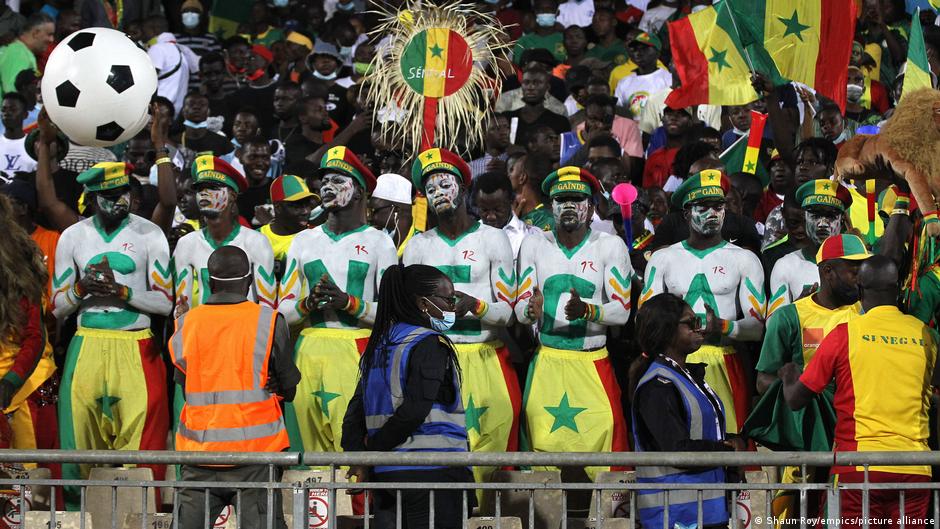
The disappointment lingers among Senegalese football fans after the Lions of Teranga’s dramatic exit from the 2026 World Cup. What followed was even more unsettling—revelations that deepened the frustration.
Mamadou Laila Diallo, a lifelong football enthusiast, was particularly dismayed by the federation’s president, Abdoulaye Fall, who placed the entire blame for the team’s failure solely on the former head coach.
“His comments were reckless and unfounded. The president is deflecting attention from his own shortcomings by scapegoating individuals who aren’t the only ones at fault. His remarks about the team doctor were equally irresponsible—though I agree Pape Thiaw’s departure was justified on sporting grounds,” Diallo stated.
Social media erupted with calls for the dissolution of the Senegalese Football Federation (FSF). Among the voices demanding change was Malang Sané, who argued that drastic measures were necessary.
“The federation must be dissolved—not just for restructuring but for true reform. Without revisiting the underlying rules and governance, mere personnel changes won’t fix the system. This should be the government’s top priority,” Sané emphasized.
“The federation is riddled with opportunists”
Djibril Diata took a more cautious approach, warning that dismantling the FSF without a thorough investigation could plunge Senegalese football into uncharted turmoil. Instead, he advocated for an independent inquiry to uncover the full truth.
“We need a comprehensive audit to expose what really happened. There are too many unspoken truths and self-serving figures within the federation who prioritize personal gain over the sport’s integrity. These issues must come to light,” he asserted.
In response, the Ministry of Youth and Sports issued a stern warning, instructing the FSF to immediately halt all public statements, interviews, and media interactions related to the World Cup debacle. A government communiqué released on July 14, 2026, emphasized the need for discipline and accountability.
Tuesday’s gathering in Dakar, organized by disgruntled stakeholders, aimed to push for greater transparency and governance reforms in Senegalese football. The movement signals a growing demand for systemic change from within the sport itself.
