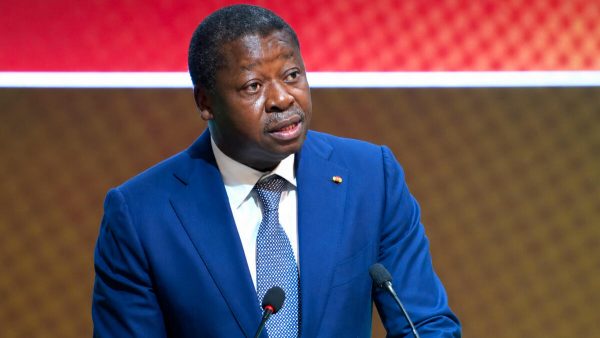
Africa urged to shift from ambition to economic results at biashara afrika forum
The clarion call was unambiguous. At the inauguration of the third edition of the Biashara Afrika pan-African forum held on Monday, May 18, 2026 in Lomé, Togolese President and Council Chair Faure Essozimna Gnassingbé urged African leaders to pivot from political rhetoric to tangible economic outcomes. His impassioned address underscored the urgent need to convert continental ambitions into measurable growth and deeper integration.
Lomé solidified its reputation as a hub for pragmatic African commerce as the capital played host to the continent’s top decision-makers for the third iteration of Biashara Afrika. Co-organized by the African Continental Free Trade Area Secretariat and the Togolese government, this high-level forum is dedicated to fostering intra-African trade and investment, opening under the banner of decisive action.
Lomé leads by example in the African single market experiment
President Gnassingbé didn’t just articulate a vision—he presented Togo as a living blueprint for the African Continental Free Trade Area (AfCFTA). The country’s strategic advantages are being leveraged to cement its role as a linchpin within the AfCFTA framework:
- Enhanced regional connectivity to streamline trade corridors.
- A world-class logistics hub anchored by its deep-water port, unmatched in the subregion.
- Bold structural reforms consistently recognized across Africa for fostering a more business-friendly environment.
Through this model, Lomé is proving that economic integration can deliver immediate, tangible dividends when leadership aligns policy with the needs of businesses operating on the ground.
AfCFTA by the numbers: a continental giant with untapped potential
The AfCFTA represents the most ambitious trade initiative on the planet today. Its scale is staggering:
AfCFTA market snapshot
- Participating nations: 55 member states.
- Consumer base: 1.4 billion people.
- Economic clout: Combined GDP estimated at $3.4 trillion.
Yet this promising landscape is still constrained by persistent barriers. Biashara Afrika has set its sights on dismantling the bottlenecks stifling intra-African commerce. Key priorities highlighted by attendees include eliminating non-tariff trade barriers, addressing chronic infrastructure deficits, and improving access to financing. The forum also emphasized the need to restructure fragmented value chains and prioritize the inclusion of small and medium-sized enterprises (SMEs), which remain sidelined in cross-border trade flows.
From talk to action: AfCFTA’s moment of truth
The call to move from intention to implementation resonated strongly. A Kenyan entrepreneur in attendance remarked, « We must replace promises with concrete results. » A Nigerian economist echoed this sentiment, stating, « The AfCFTA will only gain credibility when SMEs gain a real foothold in this unified market. » These voices reflect the growing impatience among economic actors for swift, inclusive execution.
Beyond technical discussions, Biashara Afrika is part of a broader geopolitical momentum: Africa’s push to strengthen its position in global trade. The AfCFTA is seen as a strategic counterbalance to globalization challenges and international trade tensions.
The message from Lomé is unequivocal: Africa now possesses the legal frameworks, natural resources, and human capital required. For the AfCFTA, the challenge is no longer about designing the future—it’s about delivering it without delay.
