Youth group in Kinshasa sets terms for constitutional reform in DRC
Youth group in Kinshasa sets terms for constitutional reform in DRC
- Politics
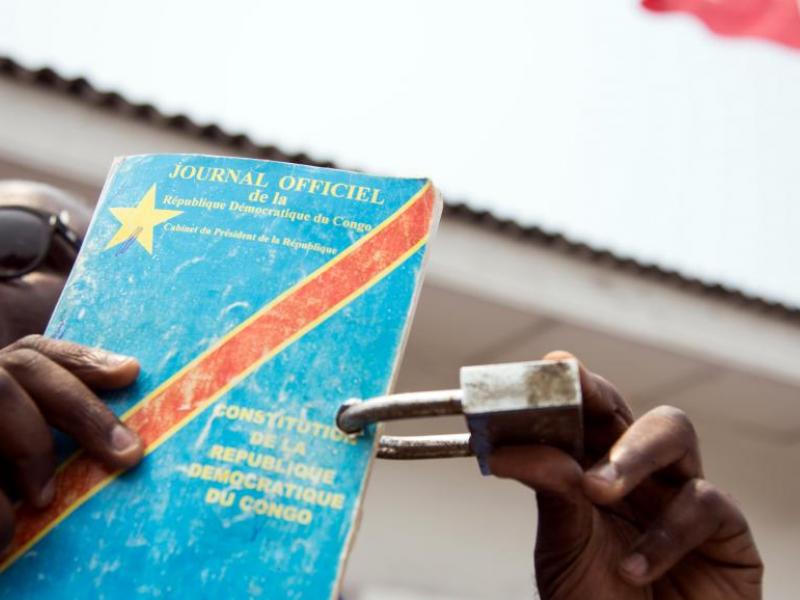
A dynamic youth organization in Kinshasa has laid down strict conditions for any constitutional reform in the Democratic Republic of the Congo, emphasizing the need for demonstrated necessity, national consensus, and a peaceful political climate.
Why constitutional reform must meet these conditions
The Nouvelle Génération Congolaise (New Congolese Generation) held a press conference in Kinshasa on Wednesday, June 3, addressing the ongoing national debate around constitutional changes proposed by political leaders.
While acknowledging that constitutional reform is a legitimate right, the group firmly believes it must be justified by clear, pressing needs. They outlined three essential conditions:
- Demonstrated necessity: The reasons for reform must be transparent and directly tied to solving concrete national problems.
- Broad national consensus: The reform must enjoy wide support across political, social, and regional lines to avoid deepening divisions.
- Peaceful political climate: The process must take place in an environment free from coercion or manipulation by partisan interests.
Challenging the political status quo
Speaking on behalf of the organization, spokesperson Mukenge Totoro questioned the motives behind the current push for constitutional change:
“Before taking sides, we must ask the right questions: Why change the Constitution today? What specific problems does this change aim to solve? How will this reform tangibly improve the lives of Congolese citizens? Who stands to gain the most from this reform—is it the nation or certain political actors? How can we ensure this reform strengthens democracy rather than serving private interests?
Without clear, transparent, and convincing answers to these questions, this debate will only fuel mistrust and division.”
The youth group also warned against the instrumentalization of young people as political pawns, urging the Congolese youth to reject being treated as mere electoral reserves or mobilization tools for elite interests.
Instead, they called on young Congolese to position themselves as agents of reflection, constructive proposals, citizen oversight, and national transformation.
On the opposition-led ‘ville morte’ strike
The organization acknowledged the right to protest, including the opposition-backed ville morte (dead city) strike held the same day. They emphasized the importance of both an opposition of ideas and contestation in a healthy democracy, while encouraging all parties to prioritize dialogue and constructive reform over confrontation.
With tensions rising in Kinshasa and across the DRC, the Nouvelle Génération Congolaise has positioned itself as a voice advocating for responsible, inclusive, and transparent governance—demanding answers before endorsing any constitutional changes.
