
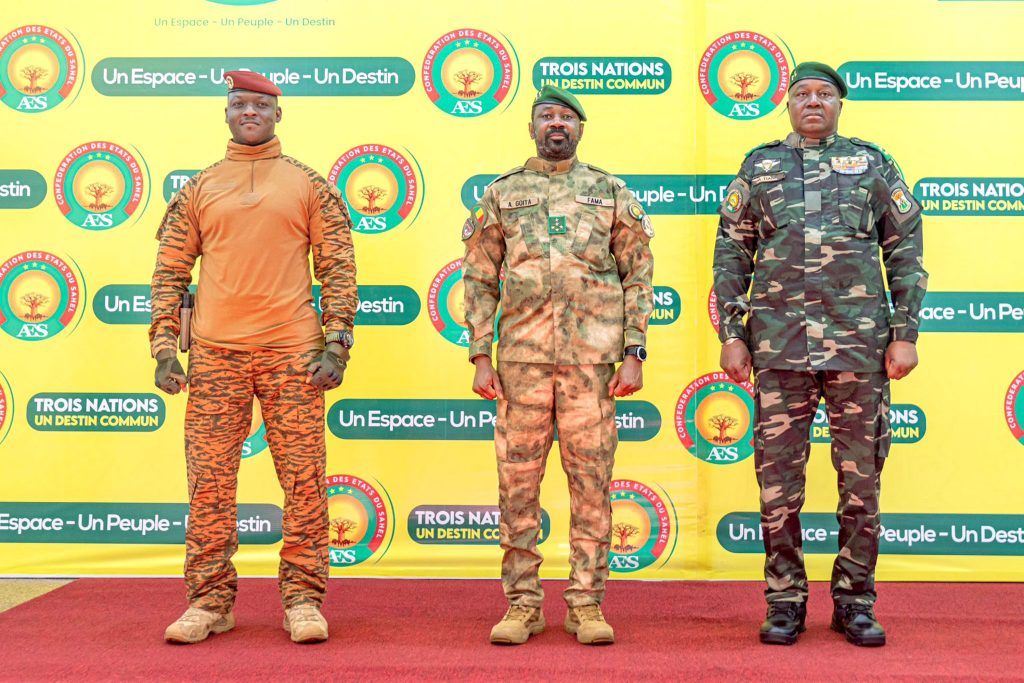
urgent diplomacy between west african blocs AES and ECOWAS
West Africa is witnessing a flurry of diplomatic activity as regional leaders seek to restore dialogue between the Economic Community of West African States (ECOWAS) and the Alliance of Sahel States (AES). Security imperatives and shared economic stakes drive this pragmatic shift.
- Politics

In recent weeks, West African nations have intensified efforts to rebuild bridges between ECOWAS member states and the AES nations of Mali, Burkina Faso, and Niger. At the core of these diplomatic maneuvers lie pressing security concerns and the urgent need to establish common policies. While full-scale collaboration remains a distant goal, incremental progress is being made toward shared strategies.
Diplomatic urgency demands navigating several delicate challenges: avoiding the fallout from the AES withdrawal from ECOWAS, overlooking hostile rhetoric from Sahel regimes against neighboring countries, and moving past geopolitical restructuring that has fostered a tense “cold war” atmosphere between the two blocs. The path forward requires silencing grievances and prioritizing collective survival over pride.
Ivory Coast signals renewed security cooperation
The Ivory Coast has emerged as a key player in this evolving dynamic. Defense Minister Tene Birahima Ouattara recently declared the country’s readiness to resume security cooperation with Mali and Burkina Faso. “Terrorism cannot be defeated by a single state,” he stated, emphasizing the necessity of pooling resources. His remarks come as regional observers warn that unchecked insecurity could soon spiral beyond control.
Yet the response from Bamako and Ouagadougou remains uncertain. While acknowledging that their ECOWAS withdrawal doesn’t preclude bilateral cooperation, the Sahel juntas have struggled to shift their stance toward Abidjan. The Ivory Coast has faced persistent accusations—never substantiated—of harboring terrorist elements allegedly backed by “French imperialism.” These claims, despite lacking evidence, have become a central narrative for the AES regimes born from military coups. Ironically, Ivory Coast continues to host thousands of refugees from Mali and Burkina Faso, maintaining covert channels of cooperation.
Benin and Niger pursue reconciliation
The Benin-Niger relationship has similarly seen a thaw following political changes in Cotonou. Since the July 2023 coup in Niamey, the shared border had remained sealed, transforming a diplomatic dispute into a personal feud between military authorities. However, the ascension of Benin’s new president, Romuald Wadagni, has catalyzed reconciliation efforts.
Expert-level talks held in Cotonou on June 20-21 focused on defense, security, and border reopening—a critical step for economic revival. Nigerien delegates raised concerns about alleged foreign military presence in Benin, repeating unproven claims that Cotonou hosts a “French base” designed to destabilize Niamey. Such accusations, while baseless, reflect the AES regimes’ persistent narrative struggles as their territories increasingly fall under terrorist control.
Interior Minister Mohamed Toumba declared the new era of cooperation “creates value for our economies and security for our people.” Both nations recognize that security and economic stability are intertwined in a region where livelihoods are deeply connected.
Regional pragmatism gains momentum
The push for normalization extends beyond these bilateral efforts. Protocols are being established with Ghana, Guinea, Togo, and Senegal, despite the AES withdrawal from ECOWAS. Military regimes in Bamako, Ouagadougou, and Niamey remain within the West African Economic and Monetary Union (UEMOA) and continue to benefit from ECOWAS free movement policies.
This gradual realignment underscores the need for homegrown solutions to the region’s security crisis. Echoing last year’s UN Secretary-General’s call for West African dialogue, the international community—including Russia, a key AES partner—has urged pragmatic cooperation between ECOWAS and AES to combat regional terrorism. The message is clear: Africans must lead the charge in solving their own challenges.
Ultimately, the AES withdrawal from ECOWAS appears increasingly questionable. The initial breach stemmed from condemnation of coups and refusal to restore constitutional order. Today, the fractured relationship resembles an unfinished divorce, leaving both blocs to grapple with the consequences of their impasse.