
Libreville’s urban transformation begins at baie des cochons
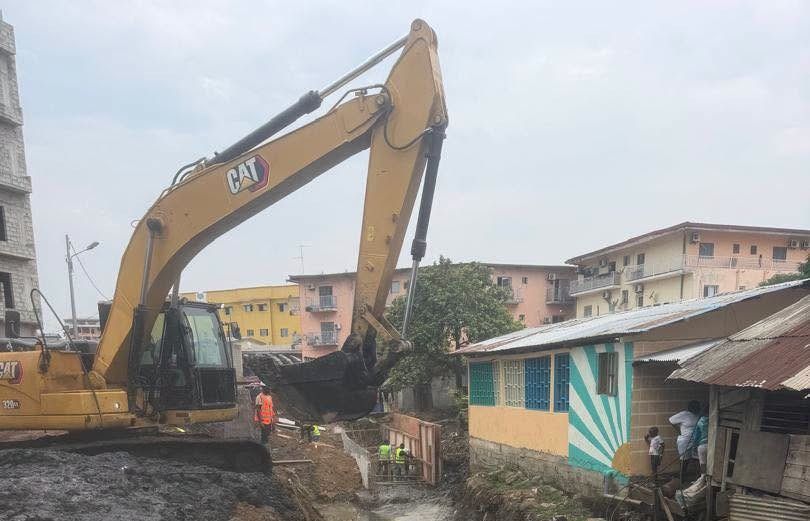
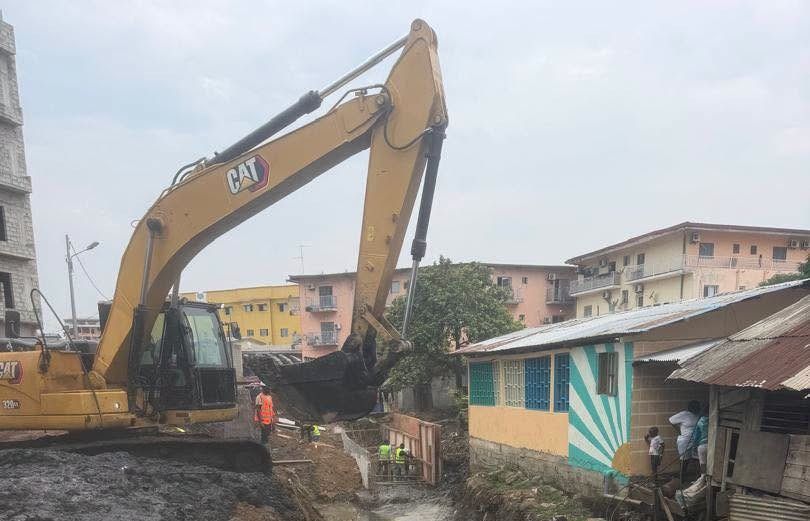
Libreville, June 25, 2026 – A pivotal moment in Gabon’s capital urban renewal is approaching. On June 26, 2026, the first demolition operations will commence in the critical Baie des Cochons district of Libreville’s third arrondissement.
The project transcends mere road construction. It represents one of the flagship initiatives in President Brice Clotaire Oligui Nguema’s urban modernization drive, aimed at reshaping traffic flow, sanitation systems, and territorial integration across key Libreville neighborhoods.
The initiative targets several high-traffic zones including Sipagel, the Léon Mba intersection, and the corridor stretching from Gabon’s energy and water utility installations to the Petit-Paris roundabout. This strategic focus underscores the government’s commitment to prioritizing foundational infrastructure to support urban expansion. Yet it also raises a critical question facing African metropolises: how can cities modernize without disrupting long-term residents?
Unlocking Libreville’s urban potential
Baie des Cochons occupies a strategic position in Libreville’s urban fabric. This densely trafficked district connects the bustling Mont-Bouët market, the downtown core, Bessieux Boulevard, and numerous outlying neighborhoods, forming a persistent bottleneck in the city’s circulation.
Plans call for a new main thoroughfare flanked by secondary roads designed to ease congestion and strengthen links between the Libreville University Teaching Hospital, Petit-Paris, the Léon Mba junction, and surrounding areas.
During an on-site briefing on June 23, Housing and Urban Development Minister Mays Mouissi directly addressed community concerns. Authorities emphasize that clearing public right-of-ways is a prerequisite for the project’s official launch by the contracted construction firm.
The initiative also targets a persistent challenge affecting thousands of residents annually: flooding. The program includes cleaning existing drainage channels, rehabilitating degraded hydraulic structures, and installing new stormwater evacuation systems.
For policymakers, mobilizing resources to address both mobility and sanitation simultaneously represents a dual urban imperative.
Balancing progress with community needs
As with any major urban renewal effort, future benefits come with immediate impacts on affected populations. Some families have occupied targeted areas for decades, while others rely on daily economic activities in these spaces. The prospect of demolition naturally stirs a mix of questions, concerns, and hopes.
Recent large-scale urban projects across Africa reveal that success hinges not only on the quality of roads or modernity of infrastructure, but equally on the authorities’ ability to manage the human transition compassionately. Compensation frameworks, potential relocations, protection of local livelihoods, and social support measures become just as vital as the physical construction itself.
The ministry asserts it has prioritized community dialogue ahead of operations. The coming weeks will reveal the effectiveness of this approach and the government’s capacity to balance the public interest with the protection of affected residents.
A defining test for urban renewal
Baie des Cochons has become a symbol—a district where Libreville can no longer sustain its development under outdated urban models.
Faced with rapid population growth, accelerating urbanization, and mounting environmental pressures, the capital must adapt its infrastructure to a new reality. Chronic traffic jams, emergency service access issues, sanitation failures, and neighborhood isolation now hinder economic development. This project aims to correct these deficiencies.
Yet the initiative is also a major political test. It will assess the state’s ability to deliver ambitious urban reforms while preserving social cohesion. A modern city is built not only with concrete and asphalt, but with the consent and participation of its people.
At Baie des Cochons, Gabon is wagering a significant portion of its urban modernization strategy. The first bulldozers will break ground, but the true measure of success will lie in the tangible improvements to daily life for residents affected by this transformation.