
A critical situation is unfolding in the eastern regions of the Democratic Republic of Congo (DRC), where the United Nations Independent Commission of Inquiry has raised an alarm about an unprecedented human rights crisis. The Commission recently highlighted a surge in severe violations against civilians, describing the circumstances as exceptionally grave.
un commission reports alarming human rights violations in eastern drc
The UN Independent Commission of Inquiry presented its initial findings to the UN Human Rights Council in Geneva, painting a dire picture of escalating insecurity in the North-Kivu and South-Kivu provinces. The report underscores a deteriorating security environment, marked by mass displacements, the erosion of public institutions, and a tangled web of regional conflicts.
Arnauld Akodjenou, Chair of the Commission, stressed the gravity of the situation: « The evidence we have gathered reveals a situation of exceptional severity. » The Commission’s findings are based on extensive consultations with victims, local civil society groups, government representatives, and international partners, reflecting a crisis that transcends mere conflict.
widespread human rights abuses documented
Investigators have documented harrowing accounts of violence against civilians, including conflict-related sexual violence, illegal killings, arbitrary detentions, and forced recruitment—even of children. Schools and healthcare facilities have also become targets, exacerbating the humanitarian toll.
Clément Voule, a Commissioner, emphasized the vulnerability of civilians: « No individual should face retaliation for cooperating with UN mechanisms. » The crisis disproportionately affects displaced persons, women, children, and already marginalized communities, creating a humanitarian emergency compounded by restricted access to aid.
a multidimensional crisis deepens suffering
Beyond violence, the Commission warns of a multifaceted crisis impacting security, health, governance, education, and the economy. The ongoing clashes, mass displacements, and health risks—such as the Ebola epidemic—further intensify the suffering of local populations. Despite these challenges, the Commission has conducted over 50 online consultations and 30 in-person meetings, including a recent mission to Kinshasa, where it engaged with victims and civil society.
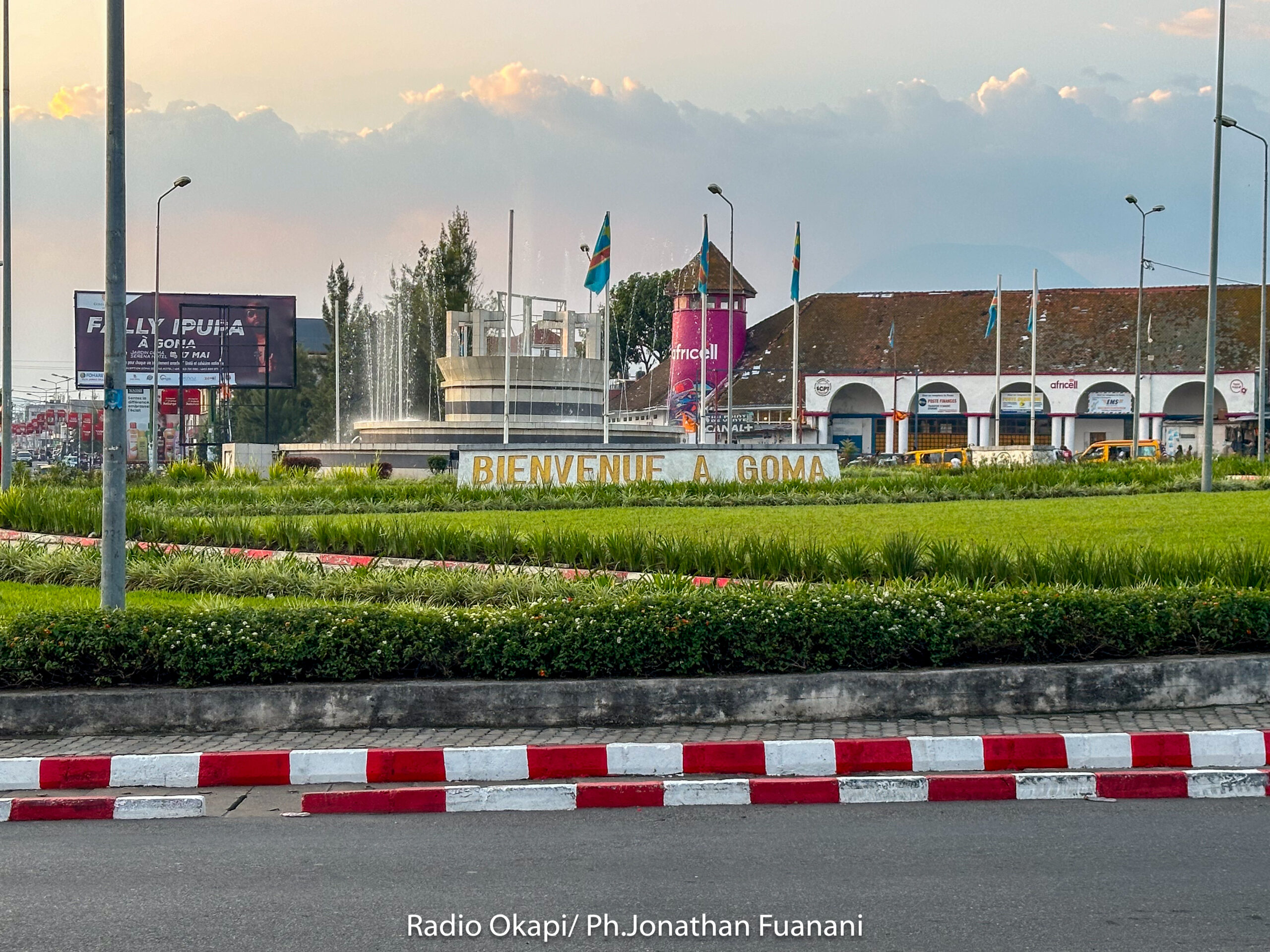
However, the volatile security situation has prevented investigators from accessing Goma and other affected areas, though plans for future visits are underway.
urgent calls for action and accountability
The Commission has issued a stark warning to all parties involved in the conflict, urging them to ensure safe, unimpeded humanitarian access, particularly for the most vulnerable. It has also called for the protection of human rights defenders and local observers, as well as support for independent and credible investigations.
Maxine Marcus, another Commissioner, stressed the need to prioritize victims: « The Commission does not prejudge facts or responsibilities. Our focus remains on delivering justice and accountability for those who have endured unimaginable suffering. »
The Commission reaffirms its commitment to conducting thorough, impartial investigations to shed light on the violations and contribute to justice in the DRC. With victims’ expectations high, the international community must respond with urgency and determination.