
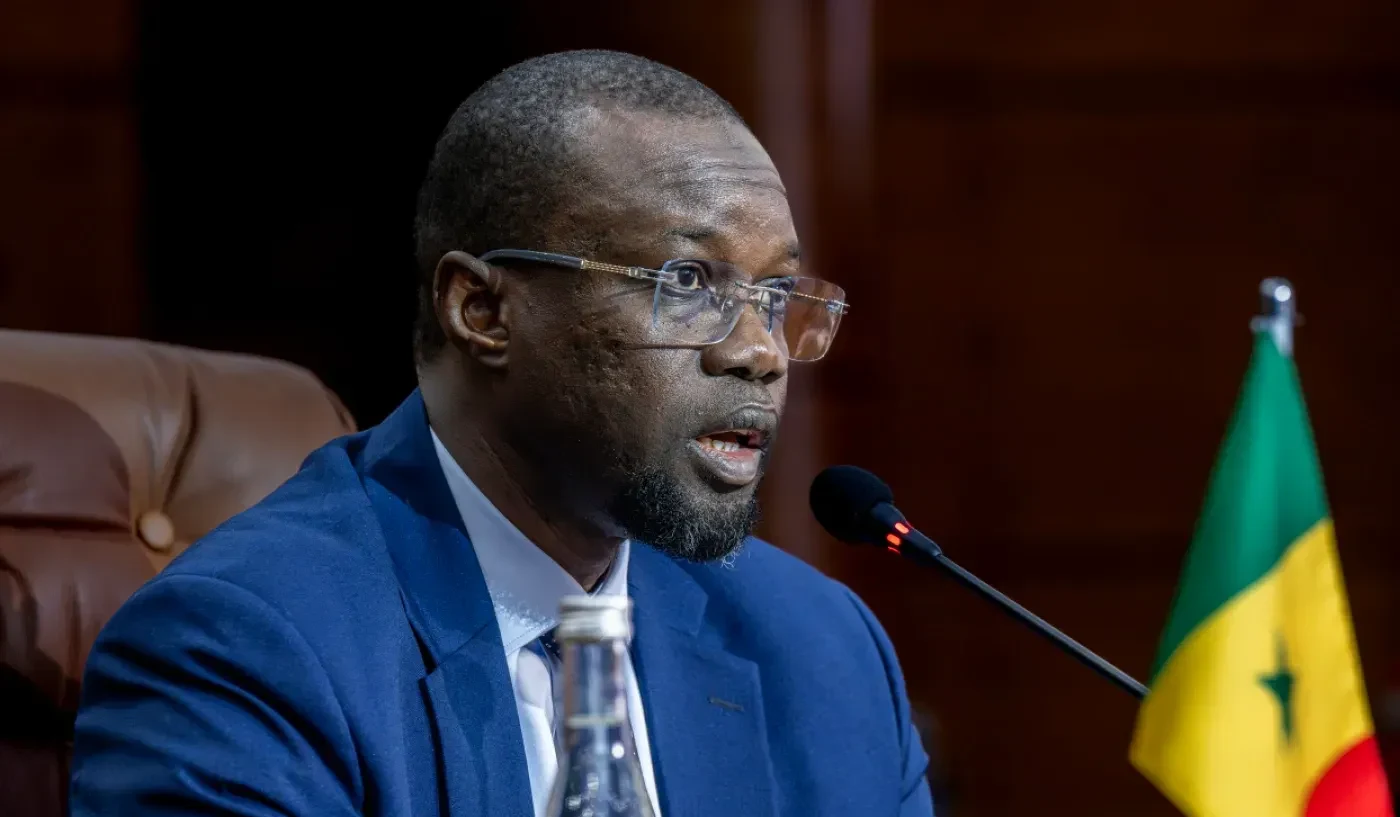
Public outrage has erupted in Sénégal following the state-run broadcaster RTS 1’s decision to exclude a high-profile political figure from live coverage of a critical constitutional review session. Social media platforms have erupted with criticism of the channel’s editorial choices, refocusing national debate on media transparency and institutional representation.
The controversy centers on the June 29, 2026, plenary session examining draft law No. 17/2026, which proposes amendments to the Constitution. While the session proceeded in the National Assembly, RTS 1 opted not to broadcast it live, a move that drew immediate backlash from viewers and digital commentators alike.
Critics argue that the omission of certain voices—particularly those tied to prominent opposition leader Ousmane Sonko—reinforces perceptions of biased reporting. Social media users, especially on platform X, swiftly condemned the move as both selective and politically motivated. Comments ranged from frustration over the lack of transparency to accusations of deliberate marginalization within public discourse.
« Plenary session – Review of draft law No. 17/2026 on constitutional amendments » was the only text posted by the account Maps Cissé regarding the proceedings, with no corresponding television broadcast. This absence of coverage has fueled a growing sentiment of disillusionment among citizens, who question the role of state media in shaping public understanding of legislative processes.
The incident adds to a pattern of concerns about media impartiality in Sénégal, particularly during periods of intense political and constitutional debate. While some viewers expressed resignation, others voiced sharp criticism, describing the decision as both predictable and troubling. The debate now extends beyond the constitutional review itself, touching on broader questions of media ethics and the responsibilities of public broadcasters in a democratic society.