
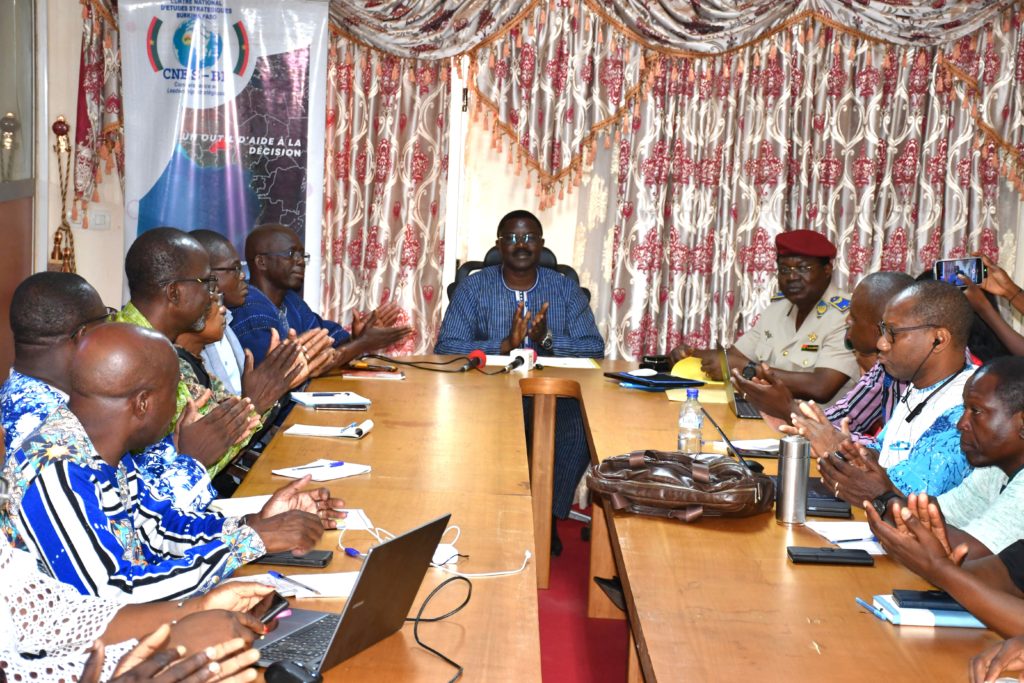
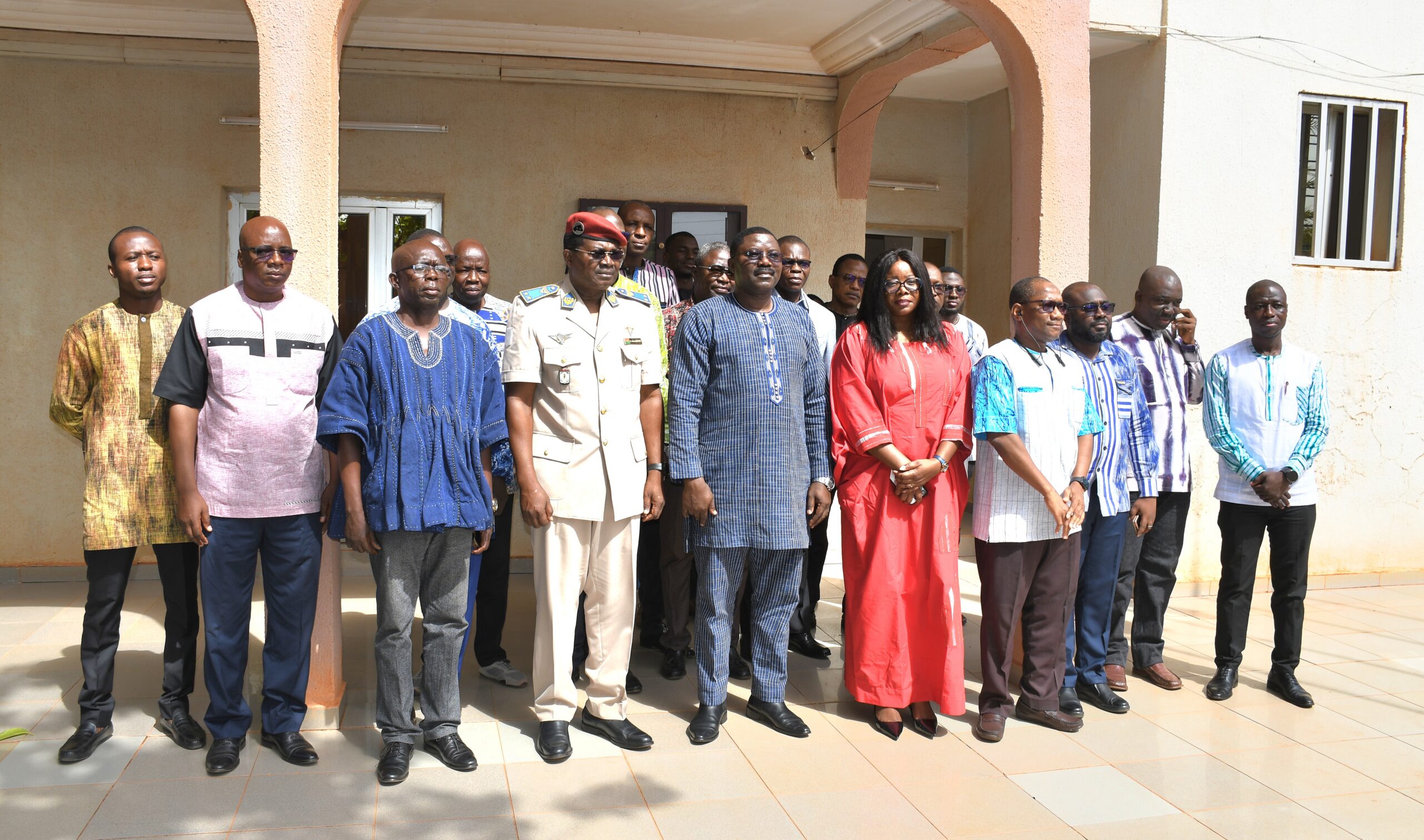
The National Centre for Strategic Studies (CNES) has kicked off a three-day intensive training workshop in Ouagadougou to sharpen the foresight capabilities of senior diplomats and foreign affairs experts. The session, running from June 8 to 10, 2026, is being held at the Permanent Secretariat of the African Peer Review Mechanism (SP-MAEP) in Ouaga 2000.
The workshop brings together around thirty high-level participants, including ambassadors, technical advisors, and analysts from Burkina Faso’s Ministry of Foreign Affairs. Its core mission: equipping these professionals with advanced tools to detect emerging risks and shape smarter policy decisions in an increasingly unpredictable global landscape.
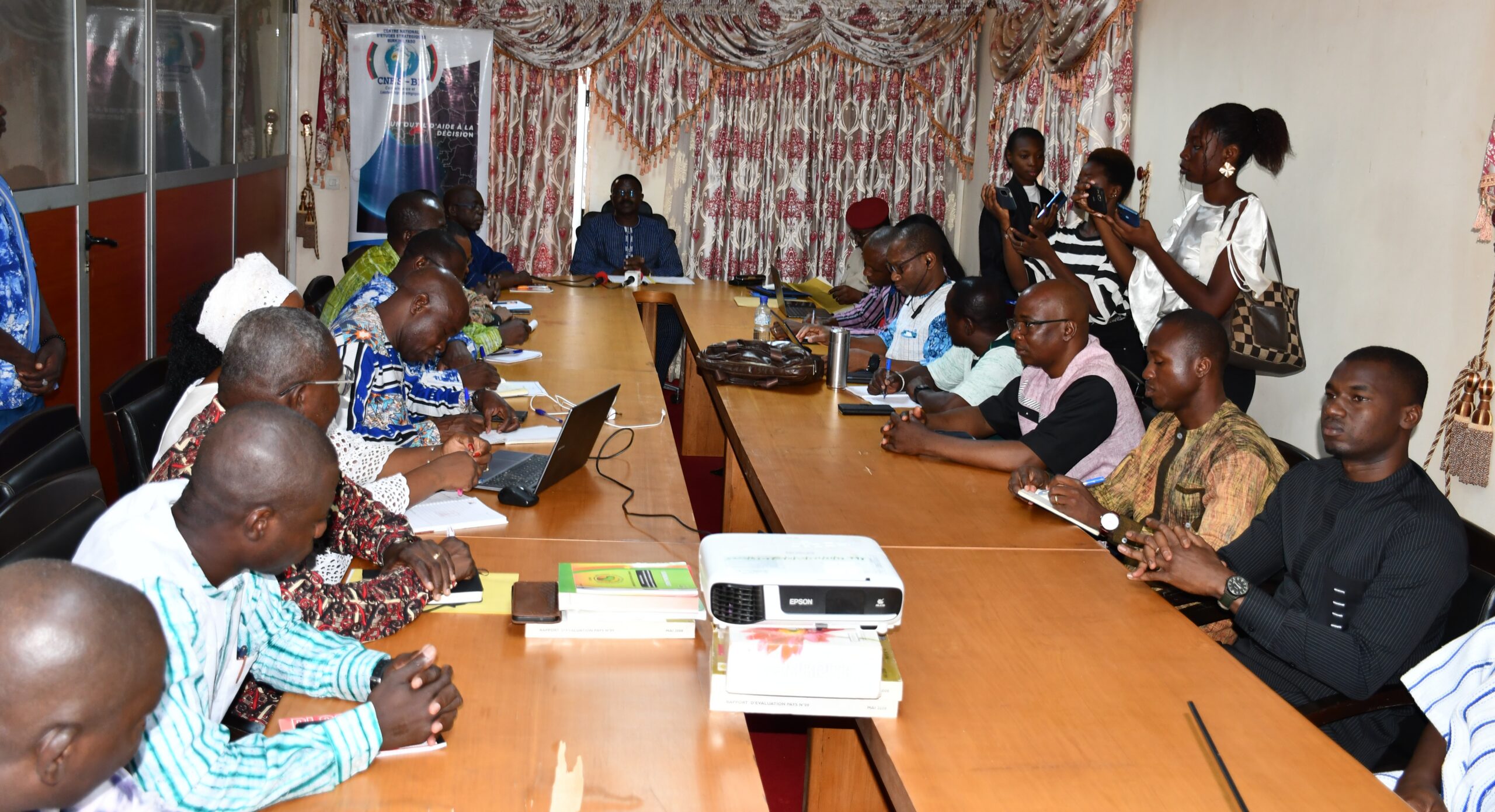
Over the three days, participants will dive into strategic monitoring, geopolitical analysis, and risk assessment, blending theoretical instruction with hands-on exercises such as crafting operational briefing notes. The goal is clear: move beyond crisis response toward proactive forecasting that strengthens Burkina Faso’s diplomatic leverage.
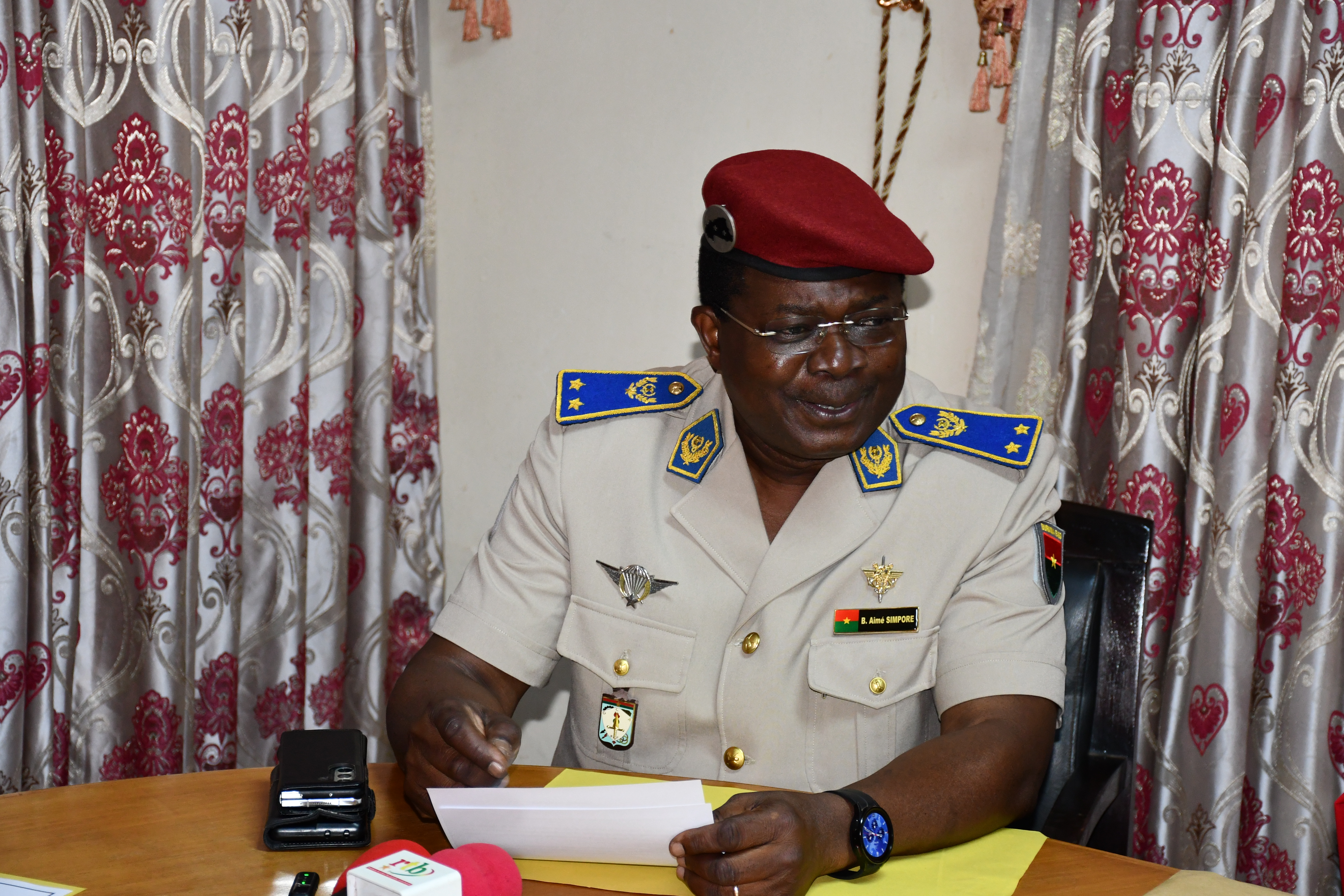
« Global power rivalries are realigning, security crises are growing more intricate, and strategic uncertainty has become a constant in international relations,» warned Brigadier General Barthélémy Aimé Simporé, CNES Director-General. « We must equip our teams not just to react, but to anticipate. »
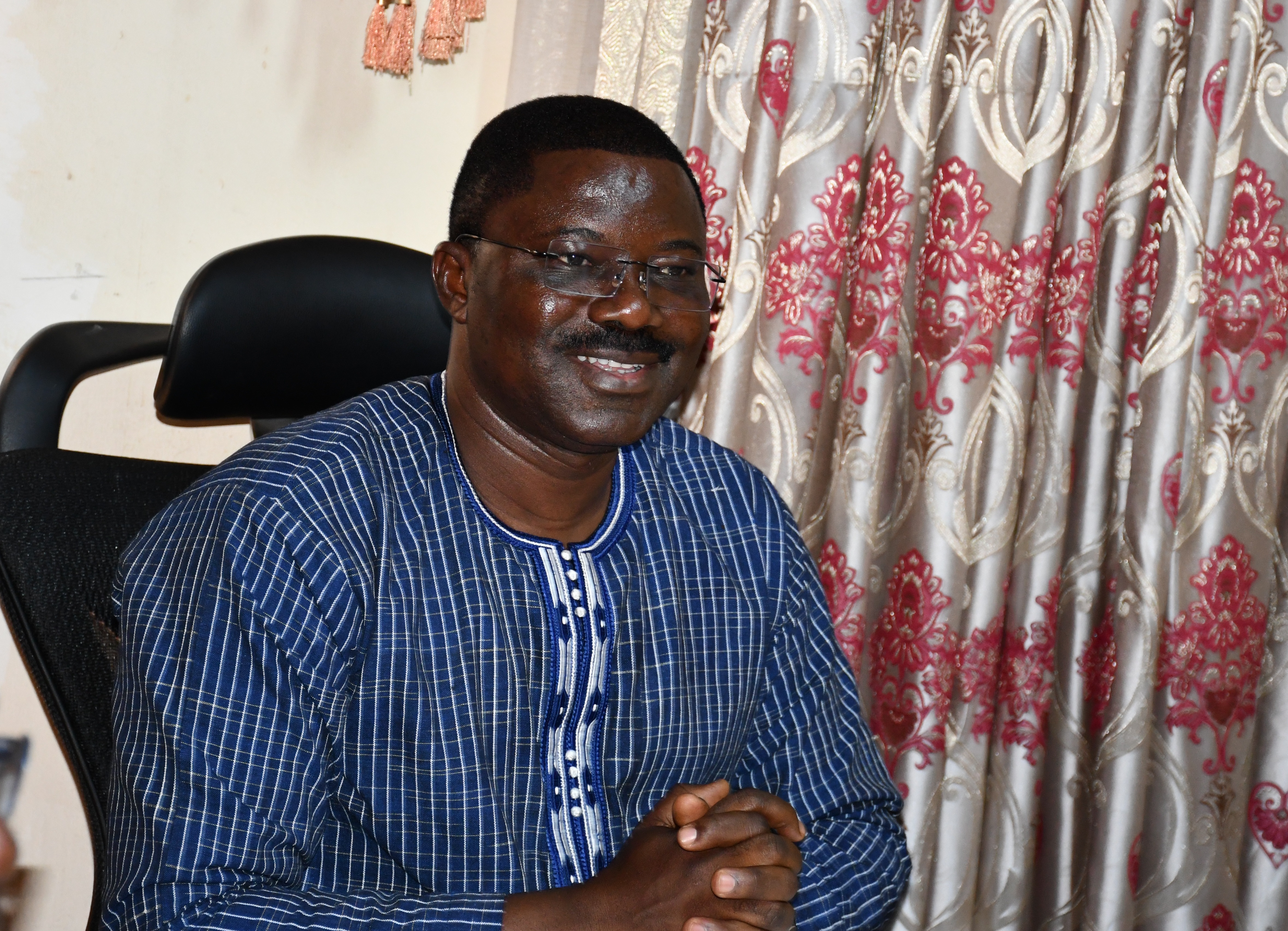
Dieudonné Désiré Sougouri, Director of Cabinet at the Ministry of Foreign Affairs, praised the partnership with CNES, calling it vital for keeping Burkina Faso’s strategic analysis bureau attuned to rapidly shifting realities. « The old playbook no longer suffices—our experts must continuously upgrade their skills to decode today’s complex geopolitical environment,» he noted. « This training ensures our diplomats can deliver timely, actionable insights for national decision-makers. »
The workshop marks the first of its kind for the ministry’s strategic analysis unit. By blending exchanges with defence experts and higher-education specialists, organisers aim to embed a culture of forward-looking analysis in Burkina Faso’s diplomatic corps. Future sessions are already planned to sustain this momentum.
By the close of the programme, officials expect sharper identification of emerging threats and more incisive analytical outputs to guide government strategy—laying the groundwork for a more agile, forward-thinking foreign policy.