Togo’s political landscape shifts with rare opposition rally
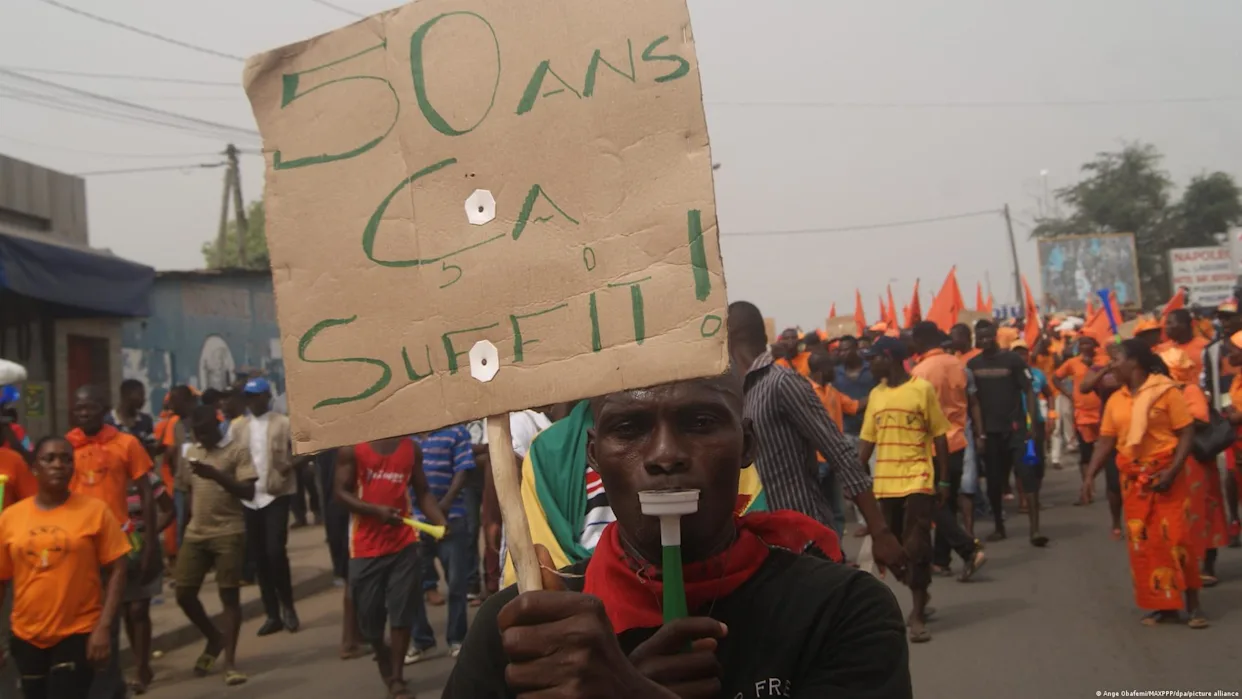
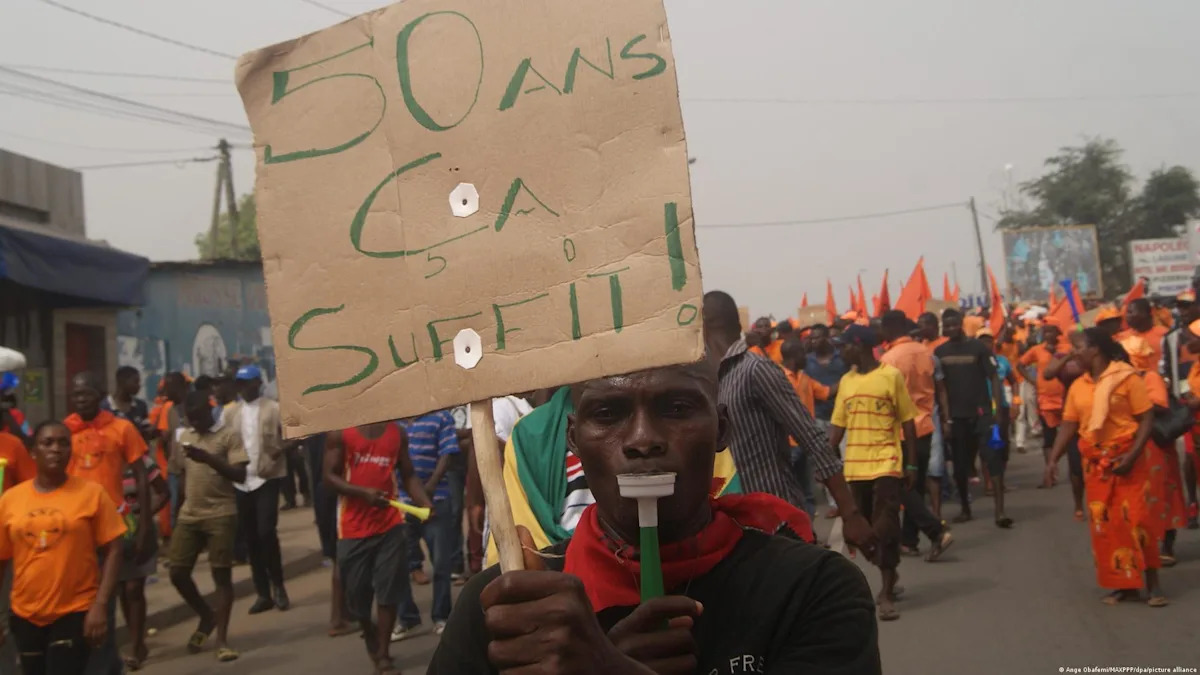
After years of stringent restrictions and outright bans on public demonstrations, Togo’s opposition coalition achieved a historic milestone this weekend by securing official permission to hold a gathering in Lomé. The permitted event has ignited a national debate: is this a genuine step toward political liberalization, or merely a temporary truce in an otherwise oppressive climate?
CNCC unites opposition forces in Lomé
On Saturday, hundreds of citizens participated in the first authorized public meeting of the newly formed Cadre national de concertation pour le changement au Togo (CNCC), a coalition comprising four opposition parties and civil society organizations. The event marked a rare instance of permitted dissent in a country where peaceful assembly has long been suppressed.
Davdi Dosseh, a spokesperson for the Front citoyen Togo debout and one of the event’s organizers, delivered a fiery address. “We demand governance reform,” he declared. “Togo suffers from systemic corruption, crumbling public services, and stagnation. This nation is not advancing—it is regressing.”
Dosseh went on to criticize the government’s history of using pretexts to block opposition gatherings. “For years, every attempt at peaceful assembly has been met with fabricated excuses leading to outright bans. Yet we refuse to surrender our right to demand change.”
Is this a lasting political thaw?
While the authorization of the CNCC’s rally is being hailed as a positive sign, political analysts urge caution. Paul Amégankpo, director of the Institut togolais Tamberma pour la gouvernance, acknowledges the significance of the government’s decision but warns against premature optimism.
“The fact that the Togolese government permitted this opposition march is a welcome development,” Amégankpo noted. “However, in the broader context of Togo’s political climate, this gesture must be viewed through a lens of skepticism. It may reflect a tactical easing of restrictions on peaceful protest, assembly, and political activity—but only time will reveal whether it signals a sustained commitment to democratic freedoms.”
Amégankpo emphasized the need for further evidence before concluding that the country is entering a new era of openness. “We must observe additional actions from the government,” he stated. “Only then can we confirm whether this is the beginning of a genuine democratic expansion or merely a fleeting moment of reprieve in an otherwise repressive environment.”
Despite multiple attempts to obtain an official government response, no statement has been issued to date.
The coming weeks will be critical in determining whether this rally represents the dawn of a more inclusive political space—or simply a temporary pause in a long-standing pattern of political tension.