Togo low turnout at opposition meeting in akassimé
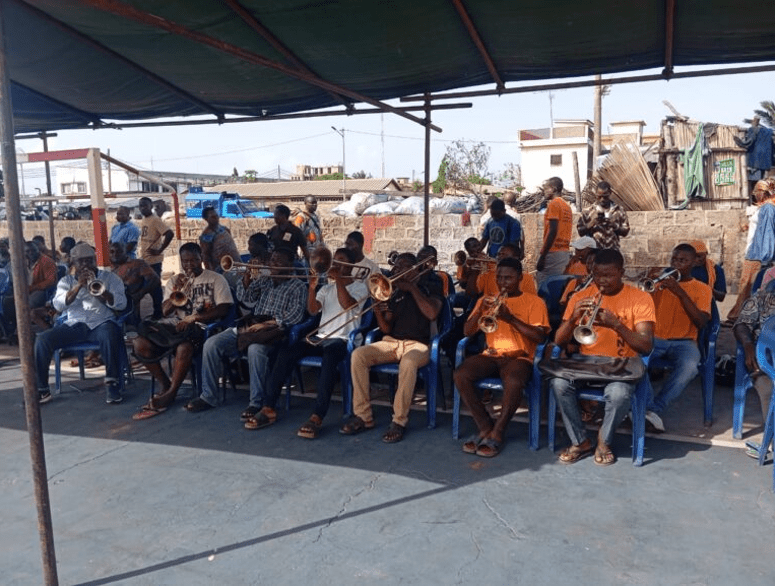
Contrary to expectations, the CNCC (Cadre national de concertation pour le changement) gathering in Akassimé, Lomé, drew minimal public attention. Despite aggressive promotional efforts, the turnout on May 9, 2026, fell far short of projections, with only scattered groups of activists arriving at the designated venue.
The event, originally scheduled for 2:00 PM, saw no significant crowd even an hour later. Analysts attribute this lackluster response to a growing disinterest in traditional protest methods among the populace. Citizens now prioritize tangible solutions to pressing daily challenges—such as job opportunities, clean water access, and universal healthcare—over repeated political slogans.
Key figures within the movement, including opposition lawmakers, struggled to energize the base. Their messaging, perceived as overly alarmist by some, no longer resonates with an electorate seeking constructive, actionable solutions rather than rhetoric. The disconnect between institutional positioning and grassroots expectations raises questions about the coalition’s strategic coherence.
The shift from the CRAC to the CNCC has done little to revive momentum. Critics view the rebranding as superficial, arguing it fails to address deeper issues or present a compelling alternative. Instead of a national rally with transformative potential, the gathering resembled a modest neighborhood meeting, devoid of the influence needed to shape Togo’s political landscape.
To regain public trust, opposition leaders must critically assess their tactics. The rejection of outdated protest strategies signals a demand for more direct contributions to national development. Their political survival hinges on moving beyond fleeting mobilizations and offering viable, long-term solutions that address citizens’ core needs.
