Togo faces recurrent flooding amid calls for governance reform
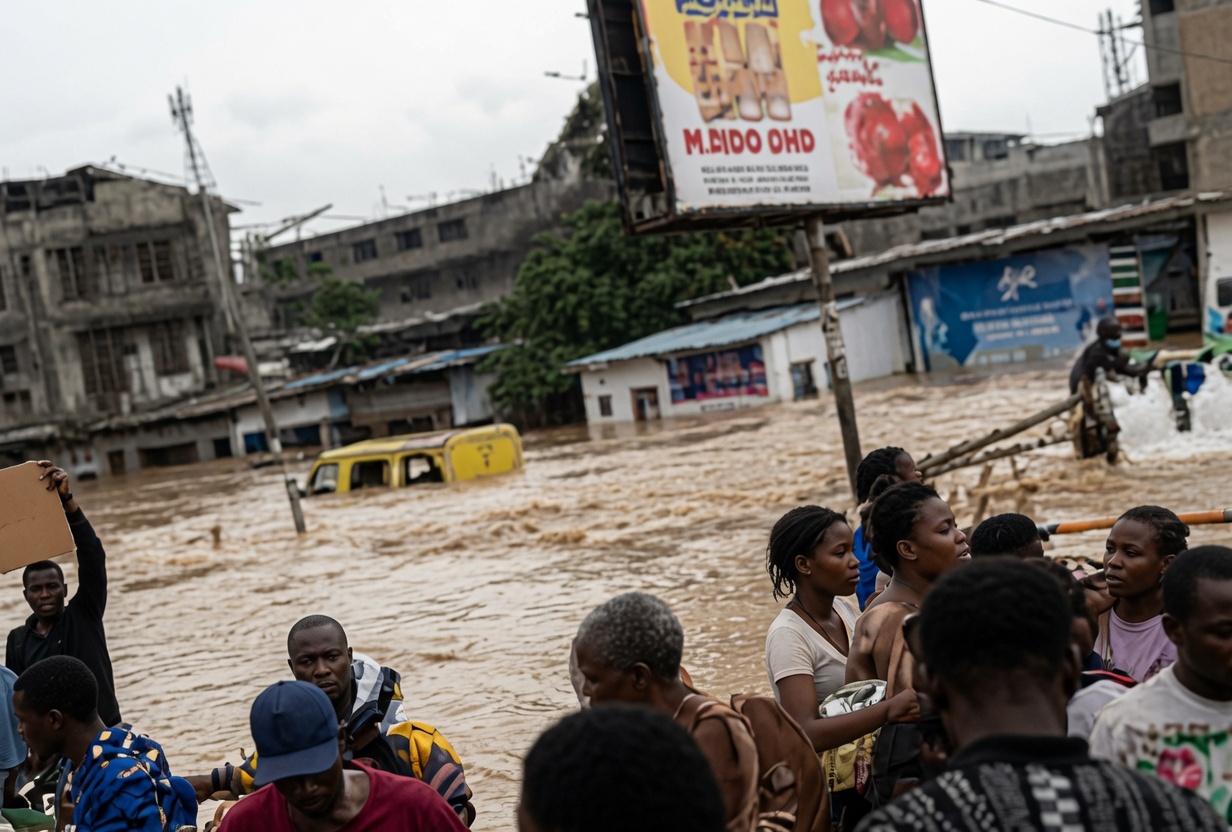
As the rainy season returns to Togo, the nation once again confronts a familiar crisis: submerged streets, flooded neighborhoods, and homes overwhelmed by rising waters. For countless Togolese, these recurring disasters are no longer anomalies but an entrenched reality that demands urgent attention.
Persistent challenges beyond seasonal rains
Despite decades under the leadership of the Gnassingbé family, the country’s socio-economic struggles endure. High unemployment, soaring living costs, and entrenched poverty remain defining issues, particularly for the youth, whose prospects appear increasingly bleak. While officials have repeatedly pledged reform, tangible progress has yet to materialize for the average citizen.
Infrastructure deficits worsen seasonal crises
The onset of torrential rains amplifies existing grievances over the country’s deteriorating infrastructure. In many urban areas, inadequate drainage systems and poorly maintained roads transform seasonal downpours into avoidable catastrophes. The resulting flood damage—affecting homes, livelihoods, and public services—highlights a systemic failure to invest in sustainable solutions.
Public resources under scrutiny
Critics argue that public funds are disproportionately allocated to entrench political power rather than address pressing needs. Opposition figures and civil society advocates contend that resources should prioritize job creation, affordable housing, and resilient infrastructure over maintaining long-standing governance structures. The absence of meaningful investment in disaster prevention and urban planning places an undue burden on vulnerable communities, who bear the brunt of each rainy season’s devastation.
Calls for transformative change
As the cycle of flooding and neglect repeats, a growing segment of the population is demanding decisive leadership. The prevailing sentiment is clear: without sweeping reforms and targeted investments, the recurring crises will persist, deepening public frustration and undermining trust in institutions. For Togo to break this pattern, a fundamental reorientation of governance—one that aligns with the needs of its people—appears increasingly inevitable.
