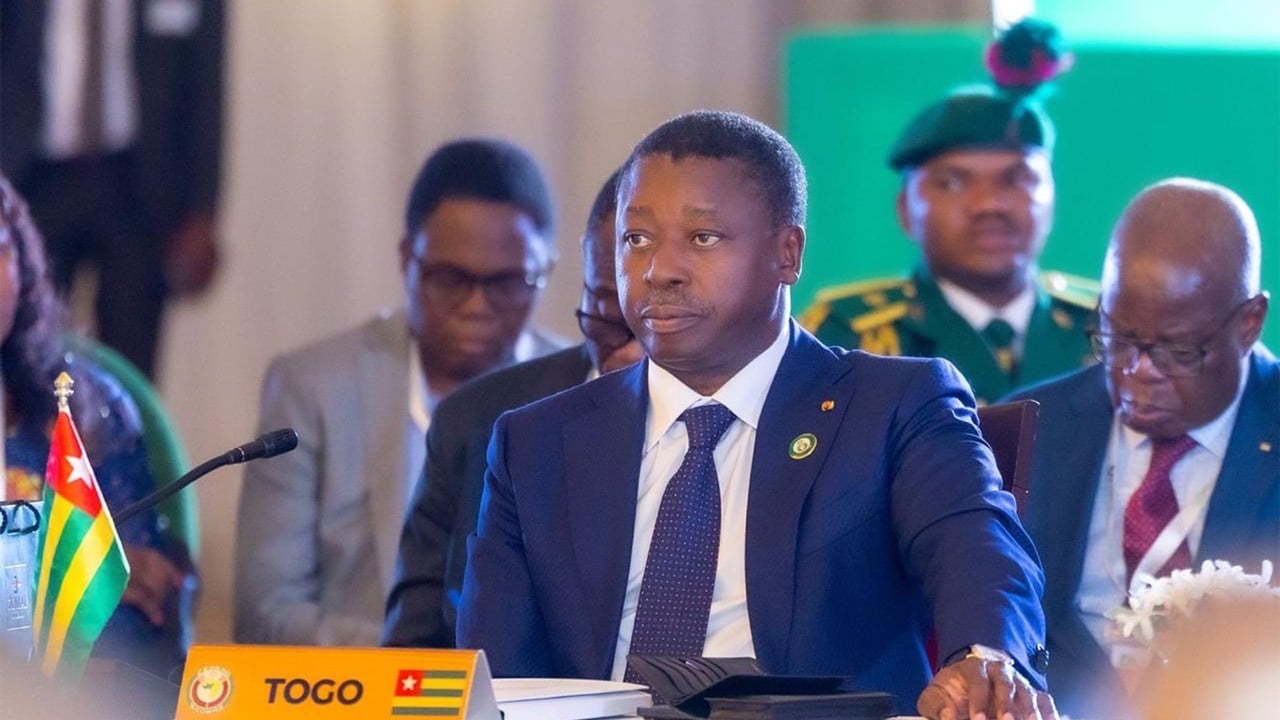
Togo diplomacy under Faure Gnassingbé amid Russia, ECOWAS and AES tensions

Silence speaks volumes in Togo’s diplomatic playbook. On March 9, 2026, Russia’s Defense Minister, Andrei Belousov, touched down in Lomé by plane the day prior, yet his meeting with Faure Essozimna Gnassingbé remained shrouded in secrecy. According to an insider at the Togolese presidency, the encounter took place as confirmed by Jeune Afrique, yet no official statement was issued about the high-level talks.
navigating diplomatic crossroads: Togo’s balancing act
The absence of public communication highlights Togo’s strategic approach to international relations. As global powers and regional blocs jostle for influence, Faure Gnassingbé appears to be masterfully steering a delicate course between competing interests. This quiet diplomacy may well be the cornerstone of his political leverage in a rapidly shifting geopolitical landscape.
the trio of influence: Russia, ECOWAS and the AES
President Gnassingbé’s diplomatic maneuvering unfolds against a backdrop of intense rivalry among three major forces:
- Russia: strengthening military and economic ties with West African nations through initiatives like the Wagner Group’s presence and resource-backed agreements;
- ECOWAS (Economic Community of West African States): advocating for regional stability, democratic governance, and collective security frameworks;
- Alliance of Sahel States (AES): a bloc formed by Burkina Faso, Mali, and Niger in 2023, prioritizing sovereignty and distancing itself from former colonial ties.
For Togo, a country bordered by Ghana, Benin, Burkina Faso, and Ghana, maintaining stable relations with all three blocs is critical to national security and economic prosperity.
why Togo’s strategic silence matters
The unannounced visit of Andrei Belousov underscores the complexity of Faure Gnassingbé’s diplomatic strategy. By avoiding public declarations, the Togolese government preserves flexibility, allowing it to engage with multiple partners without committing to any single alliance. This approach offers several advantages:
- plausible deniability: avoiding backlash from any bloc while exploring potential benefits;
- opportunity diversification: tapping into military, economic, and technological cooperation offers from different global players;
- regional stability: preventing Togo from becoming a flashpoint in regional tensions.
economic and security implications
Togo’s balanced diplomacy carries significant implications for its economy and security. By engaging with Russia, Lomé could gain access to military hardware, infrastructure investments, and energy deals. Meanwhile, alignment with ECOWAS ensures continued support for regional development projects and trade agreements. For its part, the AES offers a pathway to strengthen trade and security cooperation with neighboring Sahel countries.
This multi-vector approach allows Faure Gnassingbé to leverage Togo’s strategic position in West Africa, reinforcing the country’s role as a neutral yet influential mediator.
the road ahead: challenges and opportunities
While Togo’s quiet diplomacy presents clear benefits, it also comes with challenges. The risk of alienating one bloc while pleasing another remains ever-present. Additionally, internal political pressures and public expectations for transparency could test the government’s ability to maintain this delicate balance.
Looking forward, Faure Gnassingbé’s ability to navigate these crosscurrents will be closely watched. As global powers and regional blocs continue to vie for influence in West Africa, Togo’s strategy of equilibrium could serve as a model for smaller nations seeking to secure their interests amid great power competition.
