Tobacco tax reforms could save thousands of lives in Cameroon
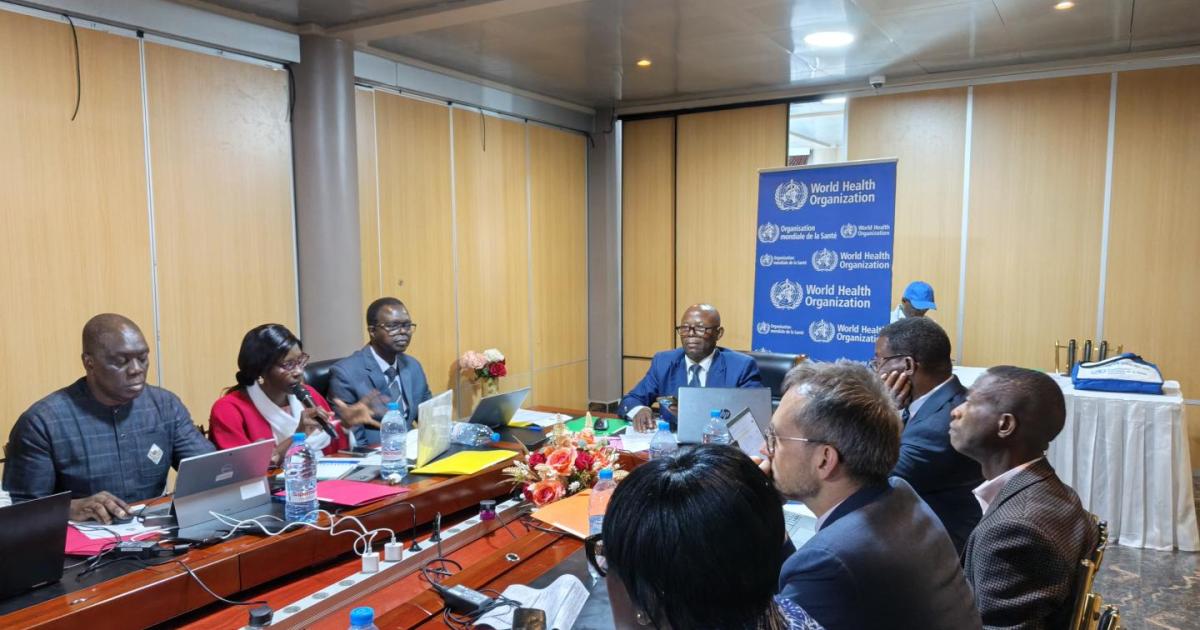
Mbankomo — Over three days, policymakers, health officials, economists, and civil society representatives gathered not to discuss hospital construction or drug procurement, but to debate a single question: How can tax policy reduce tobacco use and strengthen public health financing in Cameroon?
Supported by the World Health Organization, the July 2026 workshop in Mbankomo brought together officials from the ministries of Health, Finance, and Customs, alongside parliamentarians and health advocates. The core focus was clear: leveraging tobacco taxation not just as a revenue tool, but as a cornerstone of preventive health strategy.
Tobacco remains a silent killer in Cameroon
Despite global progress, tobacco continues to extract a heavy toll in Cameroon. Nearly one in ten adults and over one in ten adolescents (ages 13–15) smoke, while 37% of the population is exposed to secondhand smoke. Each year, an estimated 66,000 deaths are linked to tobacco use. Beyond mortality, tobacco fuels the rise of cancers, heart disease, strokes, and chronic respiratory illnesses, straining households, healthcare systems, and national budgets.
Yet cigarettes remain disturbingly affordable. In 2024, the average retail price of the most popular cigarette pack was only $4.07 (PPP-adjusted)—well below the African average of $5.06 and the global average of $6.98. Tobacco taxes accounted for just 36% of the retail price, far short of the World Health Organization’s recommended threshold of 75%.
Why higher taxes save lives
Taxation ranks among the most effective tools to reduce tobacco consumption, especially among youth. Price-sensitive adolescents are far less likely to start smoking when cigarettes become less accessible. Beyond prevention, higher taxes generate revenue that can be reinvested in health systems, disease prevention, and universal health coverage.
The workshop emphasized that evidence, not perception, must guide policy. Misconceptions—such as fears of lost revenue, job cuts, or a surge in illicit trade—were systematically addressed. International experience shows that well-designed reforms, paired with strong enforcement, mitigate such risks without undermining public health gains.
Unpacking the numbers with WHO TaXSiM
Using the WHO’s TaXSiM model, participants simulated the impact of progressive tax increases on Cameroon’s tobacco market. Two key scenarios were tested:
- Raising the specific excise tax from 5,000 to 10,000 FCFA per 1,000 cigarettes in 2027
- Further increasing it to 15,000 FCFA per 1,000 cigarettes in 2028, applied uniformly to both imported and locally produced brands
The results were compelling. Cigarette sales would drop from 162.9 million packs in 2026 to 144.1 million in 2027 and 131.9 million in 2028—a cumulative decline of 19%. Over the same period, the number of smokers would fall by 66,000. Excise revenues would surge from 15.2 billion FCFA in 2027 to 38.3 billion FCFA in 2028, generating an additional 25 billion FCFA in public funds compared to baseline projections.
These figures debunk the myth that health and economics are in conflict. A smarter tax policy can simultaneously reduce smoking and boost national coffers—funding universal healthcare, anti-tobacco programs, and stronger health infrastructure.
New threats: nicotine products disguised as everyday items
Delegates also sounded the alarm over the rapid rise of novel nicotine products—disguised as pens, smartwatches, lipsticks, toys, candies, or chewing gum. Marketed with sophisticated strategies, these products target youth, normalize nicotine use, and pose serious health risks.
Experts warned that without swift regulatory and fiscal action, these products could entrench nicotine addiction among a new generation. Participants urged immediate measures to classify, tax, and regulate emerging nicotine delivery systems before they gain a foothold in Cameroon.
From data to action: a national roadmap emerges
The workshop concluded with a series of concrete recommendations:
- Gradually raise the specific excise tax to 15,000 FCFA per 1,000 cigarettes by 2028
- Apply the same tax rate to both imported and domestically produced tobacco products
- Strengthen regional coordination on excise duties within CEMAC
- Establish a national technical working group on tobacco taxation
- Implement a permanent monitoring and evaluation system
- Increase transparency in fiscal and trade data
- Accelerate the creation of a National Tobacco Control Fund
- Develop a national traceability system for tobacco products
The group also called for expanded public awareness campaigns, support for tobacco farmers to transition to alternative crops, full implementation of the Illicit Trade Protocol, and intensified youth-focused prevention initiatives.
Dr. Colette Taka Joro, Permanent Secretary of the National Anti-Drug Committee, stressed the need for high-level dialogue with government and parliament to fast-track reform adoption and ensure stakeholder buy-in.
A vision for Cameroon’s future
In closing remarks, Dr. Hassan Ben Bachir, Director of Health Promotion at the Ministry of Public Health, framed the workshop’s outcome as a historic opportunity:
« Tobacco taxation is not just a revenue mechanism—it’s an investment in people’s health. By shielding our youth from tobacco initiation and securing sustainable funding for our health system, we are investing in the future of Cameroon. The recommendations from this workshop provide a clear roadmap to turn scientific evidence into life-saving public policy. »
At Mbankomo, participants left with a shared conviction: tobacco tax reform is more than fiscal policy. It’s a preventive health strategy, a shield for young people, a revenue engine, and a long-term investment in the nation’s human capital. The data speaks for itself—ambitious tobacco taxation can reduce consumption, save lives, ease the burden of non-communicable diseases, and fund critical health priorities for generations to come.
