Diplomatic thaw between Mali and Algeria: what’s at stake?
diplomatic thaw between Mali and Algeria: what’s at stake?
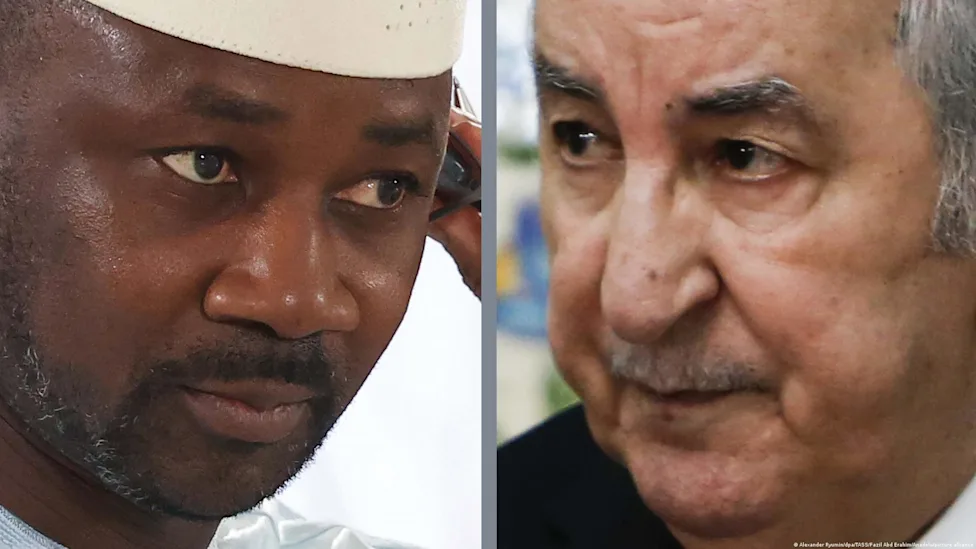
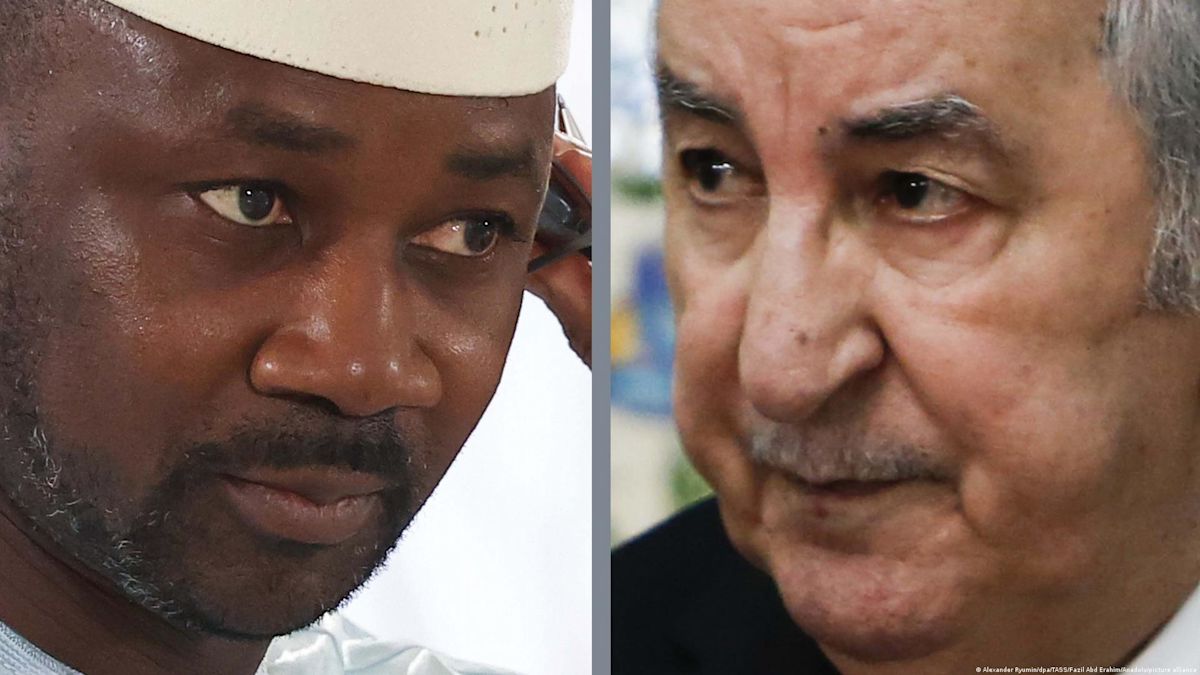
Tensions between Bamako and Algiers escalated sharply in April 2025 when Algerian forces shot down a Malian drone, accusing Mali of violating Algerian airspace. Mali vehemently denied the allegations, prompting Algiers to seal off a shared border stretching over 1,300 kilometers and close airspace to Malian aircraft.
By July 10, both nations had taken decisive steps to mend fences. Official statements confirmed the reciprocal return of ambassadors and the reopening of air corridors, signaling an end to one of the region’s most volatile diplomatic standoffs.
During a high-level phone call, Algerian Prime Minister Sifi Ghrieb formally extended an invitation to his Malian counterpart, underscoring the urgency to restore stability along the Sahel belt.
Sociologist Mohamed Amara weighed in on the implications of this rapprochement, emphasizing its potential to restore regional peace amid escalating terrorist threats across Mali, Burkina Faso, and Niger.
Regional stability takes center stage
For Algeria, the stakes are clear: preventing spillover violence from destabilizing the Gulf of Guinea. Though Algeria itself remains relatively insulated, the spread of insecurity in neighboring states poses indirect risks to its southern provinces. Strengthening ties with Mali offers Algiers a strategic lever to curb cross-border militant movements and reinforce its leadership role in the Sahel.
Analysts note Algeria’s collaboration with Russia—a key partner for both nations—as pivotal in reshaping the security landscape. This partnership could help rebalance geopolitical dynamics that have shifted since 2020, particularly in countering extremist factions and restoring political stability.
Mali’s calculus: security and sovereignty
From Bamako’s perspective, the thaw with Algiers serves two critical goals. First, sealing the Algerian frontier to prevent it from becoming a transit route for armed groups. Second, reviving dialogue with armed movements, notably the National Movement for the Liberation of Azawad, to steer Mali back toward political equilibrium.
Experts caution that while this diplomatic reset may not redraw regional power balances overnight, it marks a crucial step toward restoring trust and coordinated action against shared threats.
