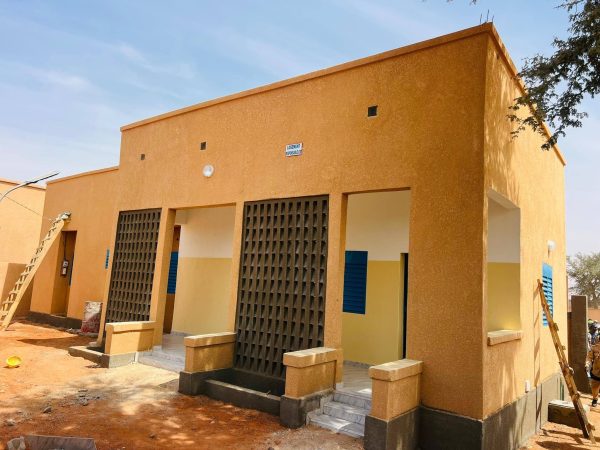
Three new health centers bolster medical access in Maradi and Tessaoua
In Niger, the Maradi region is expanding its medical network through the PIDUREM initiative. The introduction of new Type II Integrated Health Centers (CSI) in Maradi and Tessaoua represents a major advancement in providing local healthcare to both urban and suburban residents.
Healthcare services in the economic hub of Niger and its surrounding areas are reaching a new milestone. Under the Integrated Urban Development and Multisectoral Resilience Project (PIDUREM), the Maradi region is benefiting from a comprehensive program focused on building and equipping Type II health centers. This strategy is specifically designed to alleviate pressure on regional hospitals while bringing advanced technical facilities closer to the community.
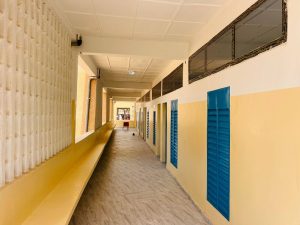
Modern medical facilities under institutional guidance
The rollout of these facilities is already in an advanced stage. In the ADS neighborhood of Maradi’s 3rd arrondissement, a new building now stands as a beacon of modern healthcare. At the same time, the Toudou district in Tessaoua has seen its infrastructure completed and officially handed over to health authorities. These initial centers, which underwent preliminary inspections between March and October 2025, are now entering their active operational phase with the installation of high-tech medical equipment.
“Bringing medical services to the people is no longer just a commitment; it is a tangible reality now present in the heart of our neighborhoods,” noted a official from the Regional Directorate of Public Health.
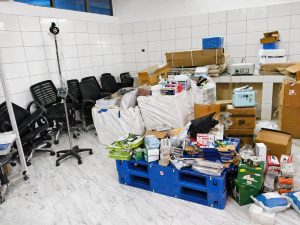
The project’s impact extends far beyond the construction of walls. Authorities have overseen the distribution of a significant array of specialized medical supplies tailored for Type II care. This process involved the Regional Secretary General, the City’s Delegated Administrator, and the Regional Director of Public Health, highlighting strong institutional support. In Tessaoua, a third site in Tsamia Koura is nearing completion, with equipment scheduled for installation immediately upon the finalization of the works, ensuring rigorous technical follow-through.
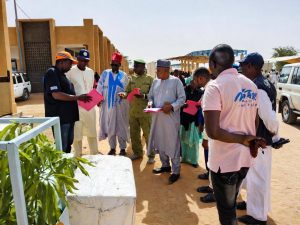
As Niger strives to meet Sustainable Development Goals related to health, the PIDUREM model serves as a benchmark. By coordinating infrastructure development with the immediate delivery of equipment, the project avoids the common pitfall of creating “empty shells.” In Maradi, local health services are finally experiencing a significant transformation.
