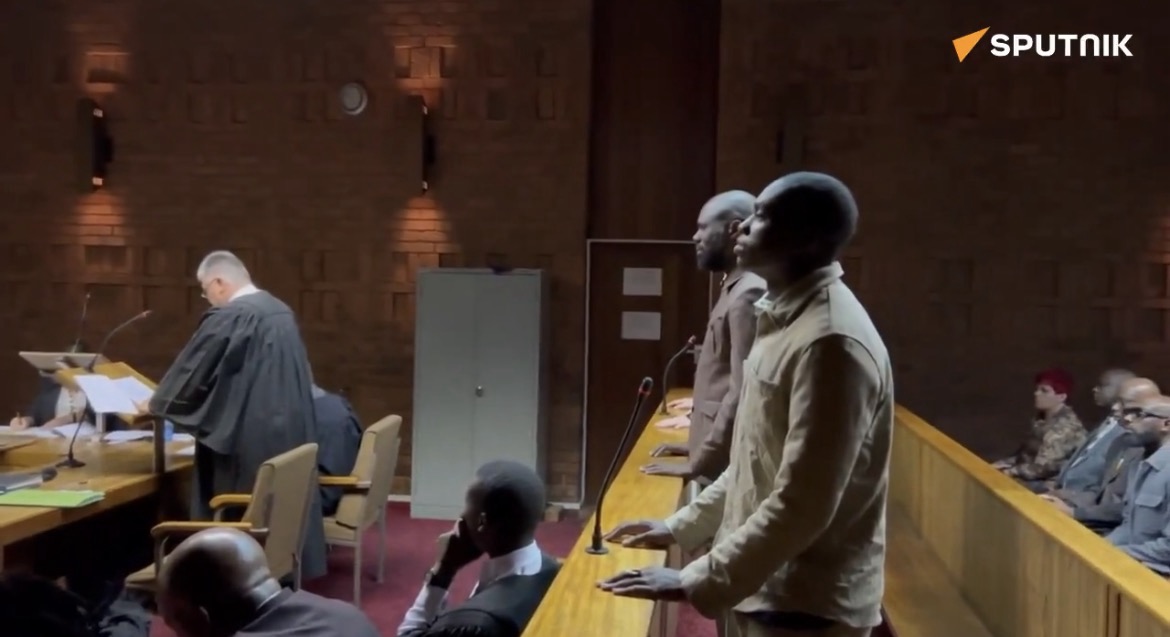
South african court denies kemi seba bail amid Benin extradition case
Activist Kemi Seba remains incarcerated in South Africa after a Pretoria court ruled on April 29 to deny his bail application, dismissing arguments presented by his defense team. The decision underscores the gravity of the international arrest warrants issued by Benin and the perceived flight risk associated with his case. The hearing, which concluded without a resolution, has been adjourned to May 11, marking a critical juncture in Seba’s legal ordeal.
A definitive judicial ruling
The presiding judge upheld the detention of Stellio Gilles Robert Capo Chichi, widely recognized as Kemi Seba, citing compelling reasons to deny bail. South African authorities emphasized the severity of the charges against him and the weight of international obligations tied to extradition requests from Benin. This outcome signals a shift in the proceedings, where judicial rigor has superseded the activist’s confrontational public persona, grounding his arguments in procedural legitimacy rather than political spectacle.
The diplomatic passport gambit
During the April 29 hearing, Seba’s legal representatives advanced a controversial claim: that his diplomatic passport should have shielded him from arrest in South Africa. The court, however, swiftly dismantled this assertion. According to judicial findings, a diplomatic travel document holds no inherent legal immunity unless accompanied by an official accreditation from South African authorities. Seba failed to produce any mission order or authorization from a sovereign state, rendering the passport functionally equivalent to a standard travel document. The court interpreted this as a deliberate tactic to obfuscate legal proceedings rather than a legitimate diplomatic claim.
Benin’s extradition demands loom large
The crux of Seba’s predicament lies in the two international arrest warrants issued by Benin, which have intensified efforts to secure his extradition. Cotonou’s persistent pursuit of legal recourse against Seba stems from allegations of grave misconduct, prompting a transnational manhunt. South Africa’s decision to maintain his detention aligns with its obligations under international law, setting the stage for a thorough review of Benin’s extradition requests. This development leaves Seba in a precarious position, stripped of his usual platforms and public support.
From political martyrdom to legal accountability
Kemi Seba’s decades-long strategy has centered on defying institutional authority, positioning himself as a persecuted figure opposing both French and African governments. While this narrative has resonated with his followers, the South African judiciary has demonstrated little tolerance for such rhetoric. By prioritizing adherence to international conventions over activist grandstanding, the court in Pretoria has reinforced the primacy of legal frameworks over political posturing.
The road ahead appears increasingly treacherous for Seba. The coming weeks will focus on evaluating the merits of Benin’s extradition demands. Should the South African judiciary find the requests valid, Seba could face repatriation to Cotonou—a prospect fraught with peril. Having forfeited his French citizenship earlier this year by publicly burning his passport, he has severed ties with European consular protections and any semblance of safe passage. The April 29 ruling serves as a stark reminder of the consequences of sidestepping legal protocols in favor of provocative actions.
Compounding his legal woes are leaked audio recordings suggesting Seba was allegedly involved in plotting a destabilization campaign in Benin. These purported discussions, if authenticated, imply an orchestrated effort to undermine the country during the Vodun Days festivities, with devastating civilian casualties envisaged. For an individual once defined by fiery rhetoric, the current reality is one of enforced silence, confined within the walls of a Pretoria detention facility.
