Tanzania’s post-election violence toll sparks controversy
Government report confirms 518 deaths, but critics demand transparency
Six months after the contentious October 29, 2025 presidential election, Tanzania’s state-appointed commission broke its silence in Dar es Salaam on April 23. The long-awaited report, which tallies 518 fatalities, has ignited a storm of criticism from opposition groups and human rights organizations, who accuse authorities of downplaying the scale of violence.
A disputed official narrative
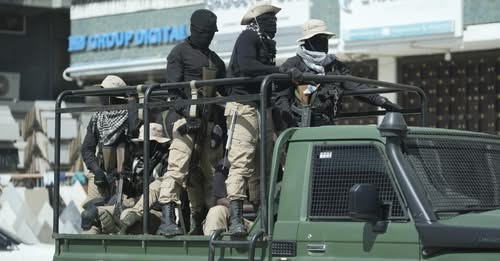
The government’s investigative body, formed under executive mandate, unveiled findings on the unrest that engulfed the nation late last year. According to the document, clashes between protesters and security forces, alongside inter-communal violence, accounted for the fatalities. While authorities acknowledge the tragedy for the first time, they attribute most deaths to uncontrolled outbreaks during unauthorized demonstrations. The report also implicates certain opinion leaders in stoking tensions.
Clashing accounts of a national tragedy
The official death toll of 518 has been met with fierce skepticism. Skeptics argue the true human cost is far greater.
- Opposition leaders allege the figure is a deliberate undercount, insisting the actual death toll exceeds several thousand. They further allege enforced disappearances—a claim the government report omits entirely.
- Human rights groups, citing satellite imagery and survivor testimonies, contend the crackdown was premeditated and widespread, contradicting the official narrative of isolated incidents.
Political calculus behind the numbers
The discrepancy has thrust the issue of state repression into the spotlight. By releasing a significantly lower toll than independent estimates, the government appears to navigate a delicate tightrope: acknowledging some responsibility to ease international pressure while avoiding potential war crime allegations before global courts.
A local civil society leader, speaking anonymously, dismissed the report as a diplomatic maneuver rather than a truth-seeking exercise. “This document doesn’t seek justice—it seeks to rehabilitate the regime’s image,” the source stated.
Path to healing or deeper division?
The release of the report raises a critical question: Will it foster national reconciliation or deepen existing fractures? Calls for an independent international probe grow louder by the day.
Analysts warn that without clarity on the true number of casualties and accountability for those responsible, the specter of the 2025 violence will continue to haunt Tanzania’s political landscape. The nation now faces a fractured reality where neither side accepts the other’s version of events.
