Tabaski in Senegal: the rising cost of tradition and debt burden
Tabaski in Senegal: the rising cost of tradition and debt burden
Every year, millions of Senegalese plunge into debt to purchase a sheep for Tabaski, transforming a religious observance into a financial crisis. While Morocco has implemented a sustainable solution, Senegal continues to grapple with soaring prices and predatory lending practices.
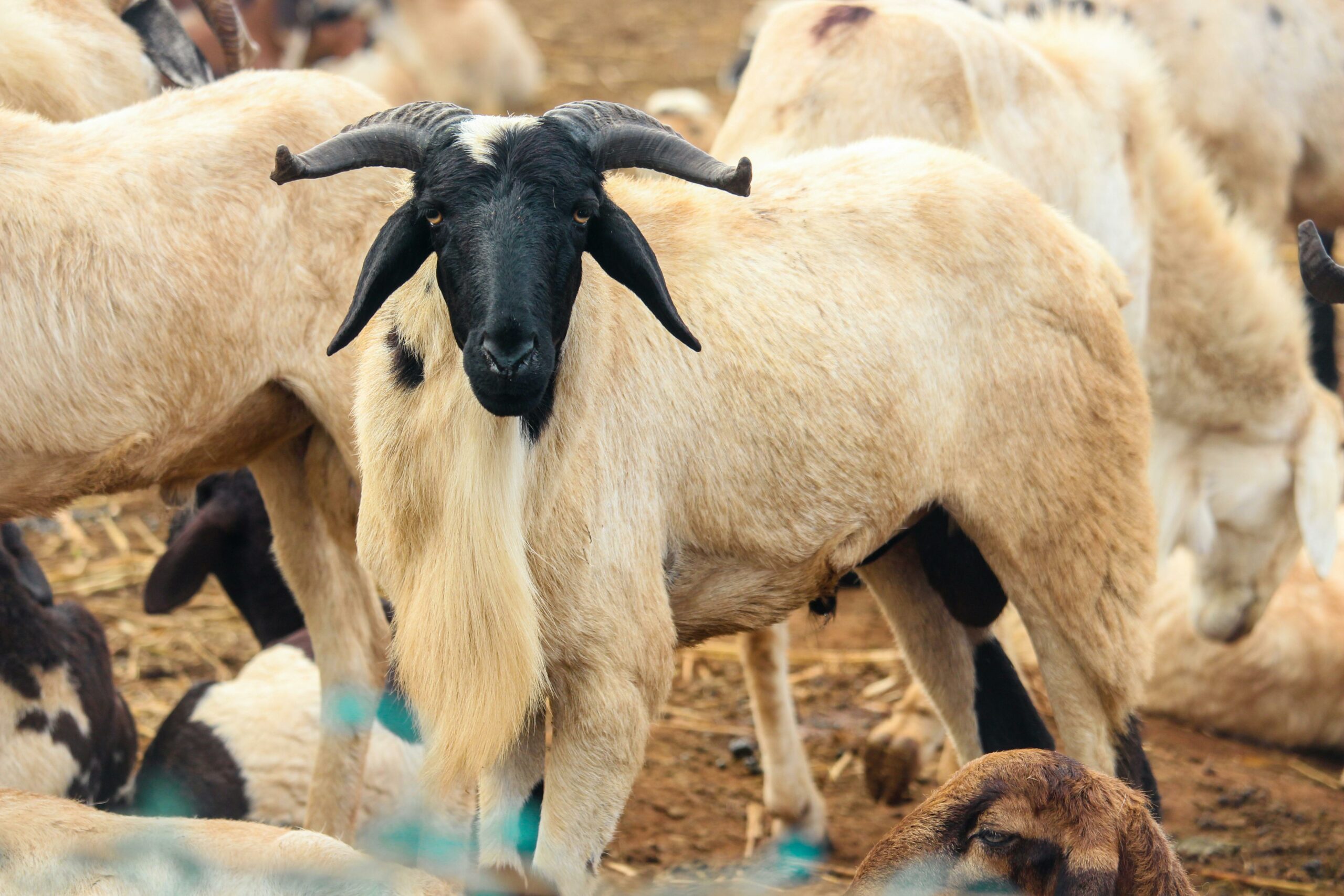
Two weeks before Tabaski, an unmistakable anxiety grips fathers across Dakar—from the bustling Almadies district to working-class neighborhoods. The price of a sheep has surged once again. Just days ago, a decent animal cost 120,000 FCFA; today, it’s 150,000 FCFA, and for “prestige” sheep—those destined for social media displays—prices reach 300,000 FCFA or more.
“How will I ever afford this?” the question echoes through households year after year. What was once a simple act of faith has morphed into a high-stakes social obligation. Tabaski is no longer about devotion; it’s about display, about proving one’s means in a society where visibility equals respect.
From faith to finances: the commodification of Tabaski
Mamadou Sall, a resident of Sacré-Cœur, earns 60,000 FCFA monthly. By May, stress sets in. Come July, he must produce 150,000 FCFA—two and a half months’ salary—not to feed his family for a week, but to fulfill tradition. To ensure his neighbors witness the sacrifice. To maintain dignity. Traditional banks won’t lend for such a purpose, so he turns to his local tontine, where loans come with 30% to 50% interest rates. A 150,000 FCFA loan becomes a 172,500 to 225,000 FCFA debt over 12 months.
Mamadou’s situation is far from unique. Between 35% and 45% of all microfinance loans granted in Senegal during Tabaski season are for sheep purchases, a staggering statistic that reveals how deeply debt has become intertwined with tradition.
The price surge since 2010: a tale of unchecked inflation
In 2010, a suitable sheep cost 60,000 to 80,000 FCFA. By 2024, prices range from 150,000 to 250,000 FCFA—an inflation of 87% to 275% in just 14 years. This isn’t general economic inflation; it’s the result of concentrated demand over two months. Tabaski demand is inelastic—families will buy at any cost. Breeders and middlemen exploit this reality, driving prices upward with impunity.
With Senegal’s minimum wage at 60,239 FCFA monthly, purchasing a 150,000 FCFA sheep consumes 2.5 months of income—before accounting for Tabaski’s other expenses like clothing, food, and gifts. For the 60% of Senegalese living below the poverty line, debt is the only path forward.
Who’s borrowing—and why?
For Tabaski 2024, Senegal’s microfinance institutions recorded a 62% surge in loan applications compared to off-season, with average requests ranging from 120,000 to 200,000 FCFA. This two-month lending frenzy creates a debt cycle that traps households for the rest of the year.
The shadow economy of Tabaski debt
With formal banking inaccessible for most, an elaborate informal lending ecosystem thrives during Tabaski season. Tontines, microfinance institutions, and private lenders all impose exorbitant rates, transforming a religious obligation into a financial trap.
| Credit source | Off-season rates | Tabaski season rates |
|---|---|---|
| Local tontines | 15-30% annually | 30-50% annually |
| Formal microfinance | 24-36% annually | 36-48% (short-term loans) |
| Private informal lenders | 30-40% annually | 50-60%+ annually |
| Commercial banks | Almost inaccessible | Almost inaccessible |
Tontines accelerate their rotation cycles during Tabaski, with interest rates climbing to 30-50% annually. A 150,000 FCFA loan becomes 172,500 to 225,000 FCFA after 12 months. Formal microfinance offers slightly better terms (24-36% annually, 48% for short-term loans), but families still face immediate fees of 3,000 to 6,000 FCFA on a 150,000 FCFA loan.
Social media’s role in amplifying pressure
A 2023 study by Cheikh Anta Diop University revealed that 67% of young Dakarois feel social pressure to purchase a sheep for Tabaski. Nearly half attribute this pressure to social media, where influencers showcase lavish Tabaski celebrations and expensive sheep. “Tabaski has become a status contest,” the study notes. “And Instagram is the arena.”
This phenomenon disproportionately affects men, who bear the cultural responsibility of purchasing the sheep. Failure to do so is seen as a sign of incompetence or inability to provide for one’s family, adding psychological weight to the financial burden.
The hidden cost: sacrificed essentials
Households with Tabaski loans reduce food and healthcare spending by 18-25% in the three months following the holiday. School fees go unpaid. Essential medications go unpurchased. The true economic cost of Tabaski’s performative aspect far exceeds the sheep’s purchase price.
Even more alarming, some farmers divert agricultural loans—meant for seeds and fertilizer—into sheep purchases. Between 8% and 12% of Senegalese agricultural loans are misused for Tabaski, meaning farmers sacrifice future harvests for immediate social validation. When planting season arrives, they lack the capital to invest in their land.
Morocco’s solution: a model Senegal could follow
Twenty-five years ago, Morocco’s leadership recognized that Tabaski should not be a market-driven luxury. In 1999, the government launched a program ensuring every poor Moroccan household received a sheep for Tabaski—not as charity, but as a right. This decision treated Tabaski as a public good, not a private status symbol.
Since its inception, Morocco has distributed over 2.8 million sheep annually via the Zakat Al-Fitr fund. The program costs approximately 450 million Moroccan dirhams (43 billion FCFA) per year—a mere 0.1% of the national budget. This small investment eliminates the need for debt traps while preserving the religious and social integrity of Tabaski.
Morocco acknowledged a fundamental truth: a religious observance tied to personal wealth isn’t truly religious—it’s a mechanism for social distinction. By providing sheep as a public good, the state acknowledged that Tabaski should unite communities rather than stratify them. Senegal could adopt a similar model to protect its citizens from predatory lending and financial ruin.
Senegal’s inaction: a cycle of debt and despair
Senegal has no national program to address Tabaski’s financial burden. Municipal initiatives and private religious organizations offer limited assistance, but the majority of citizens are left to navigate the market’s ruthless demands alone. Debt collectors report that household over-indebtedness peaks three months after Tabaski, as families struggle to repay loans while meeting basic needs.
The psychological toll is equally severe. A 2022 study by the Dakar Mental Health Research Center found that calls to helplines surge dramatically three weeks before Tabaski. Among men aged 30-55, the volume of calls doubles. The anxiety of not being able to afford a sheep, the shame of perceived failure, and the fear of social judgment weigh heavily on families.
How did we reach this breaking point?
Two forces drive this crisis. First, the rise of ostentatious consumption tied to tradition. Tabaski has evolved from a religious act into a display of wealth, accelerated by social media’s culture of comparison. Second, the absence of public policy. Successive governments have treated Tabaski as a cultural issue rather than a social one, leaving millions to suffer in silence.
Mamadou’s phone buzzes with another tontine reminder. Tabaski 2025 looms. Prices climb. Interest rates follow. The cycle begins anew.
