
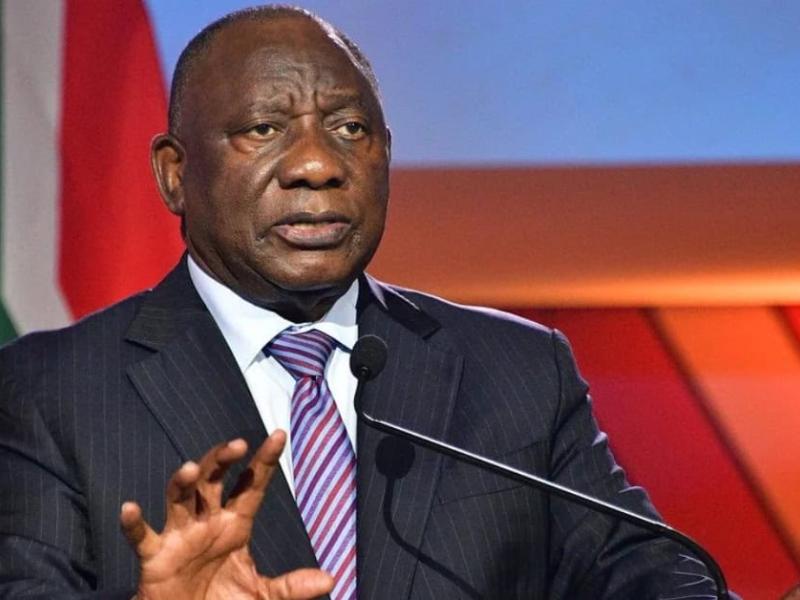
South African leader Ramaphosa in Kinshasa to bolster Ebola fight
South African President Cyril Ramaphosa arrived in Kinshasa today for an official solidarity mission to the Democratic Republic of the Congo (DRC). His visit, as the African Union’s Champion for Pandemic Preparedness, Prevention and Response (PPPR), comes amid the country’s 17th recorded outbreak of Ebola.
The high-profile delegation, which includes South Africa’s Deputy Minister of International Relations and Cooperation Thandi Moraka, will meet with DRC President Félix-Antoine Tshisekedi to demonstrate continental support for the Congolese government’s efforts to combat the deadly virus.
Strengthening Africa’s unified response to health crises
The mission aims to provide political leadership to enhance the coordinated continental response to the Ebola epidemic. This includes:
- Strengthening regional collaboration and cross-border preparedness
- Mobilizing political, technical, and financial commitments from African Union member states
- Bolstering long-term public health systems across the continent
- Improving Africa’s resilience against future health emergencies
The African Union’s PPPR Champion plays a crucial role in providing political leadership and oversight for Ebola response efforts while fostering solidarity with affected countries and frontline workers.
Funding commitments reach hundreds of millions
To date, African Union member states have pledged over $100 million to the African Epidemic Fund. Globally, financial commitments to fight Ebola now exceed $910 million, with South Africa contributing $13.5 million to these efforts.
The World Health Organization (WHO) declared the current outbreak—caused by the Bundibugyo strain that subsequently spread to Uganda—a Public Health Emergency of International Concern (PHEIC) on May 17, just two days after DRC’s official declaration of the epidemic.
Challenges and DRC’s response
The outbreak presents significant challenges, including:
- Geographical expansion of the virus
- Underreported cases due to surveillance gaps
- Population mobility across borders
- Weak health infrastructure in conflict-affected areas
- Absence of specific vaccines or treatments for this virus strain
Despite these concerns, Congolese authorities emphasize their experience in managing health crises. The DRC has successfully contained all 16 previous Ebola outbreaks through comprehensive response operations.
The government continues to work closely with national and international partners to contain the current epidemic, leveraging lessons learned from past experiences to protect public health.